Thank you for subscribing to Seavoices’ updates!

Please take a moment to check your email inbox and confirm your subscription to start receiving the latest news and updates.

19 Oct 2026
6 mins
Mohd Hazim: A Career Fuelled by Curiosity

“When you think you’ve got it all figured out, you haven’t.” 

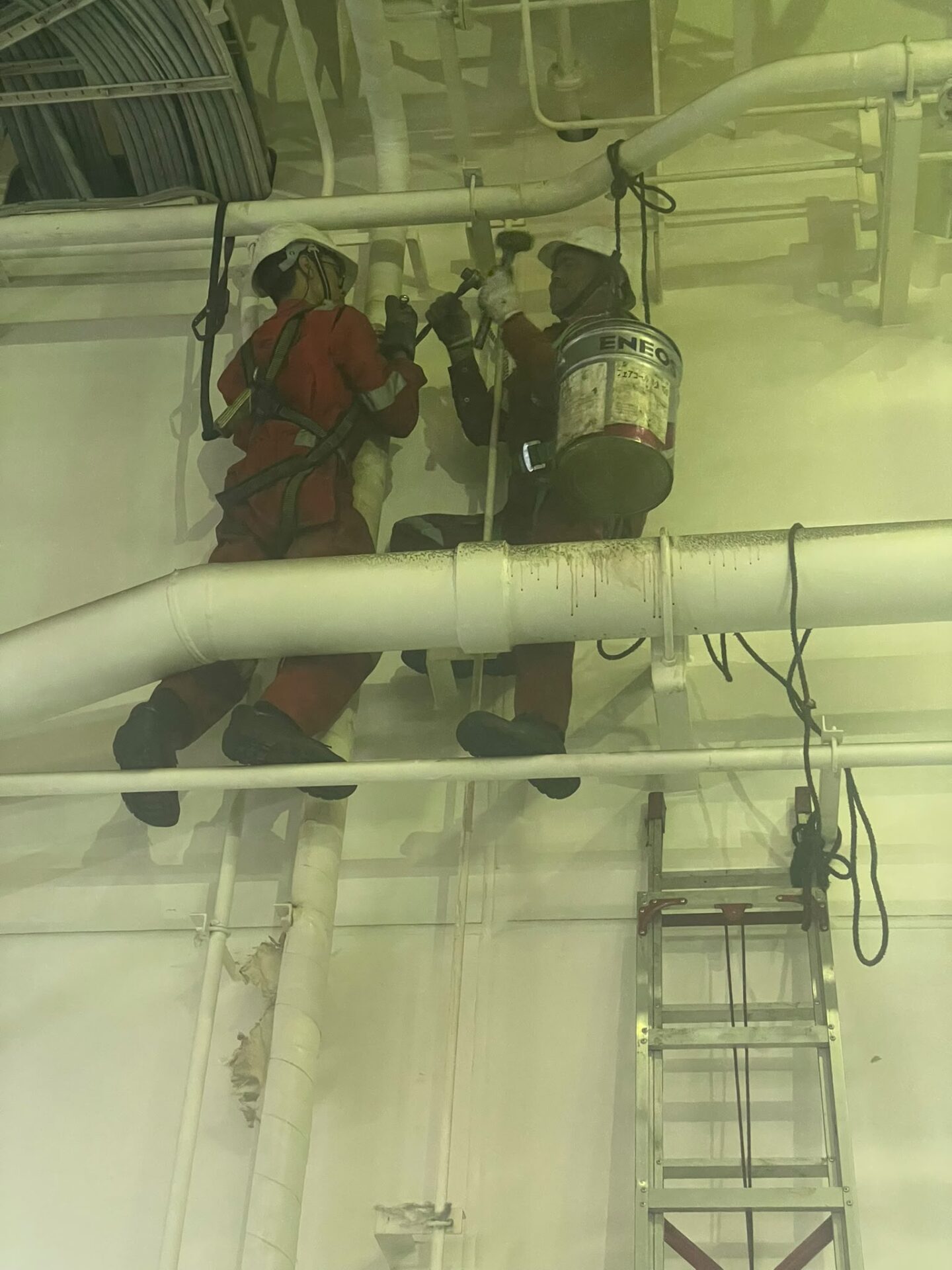
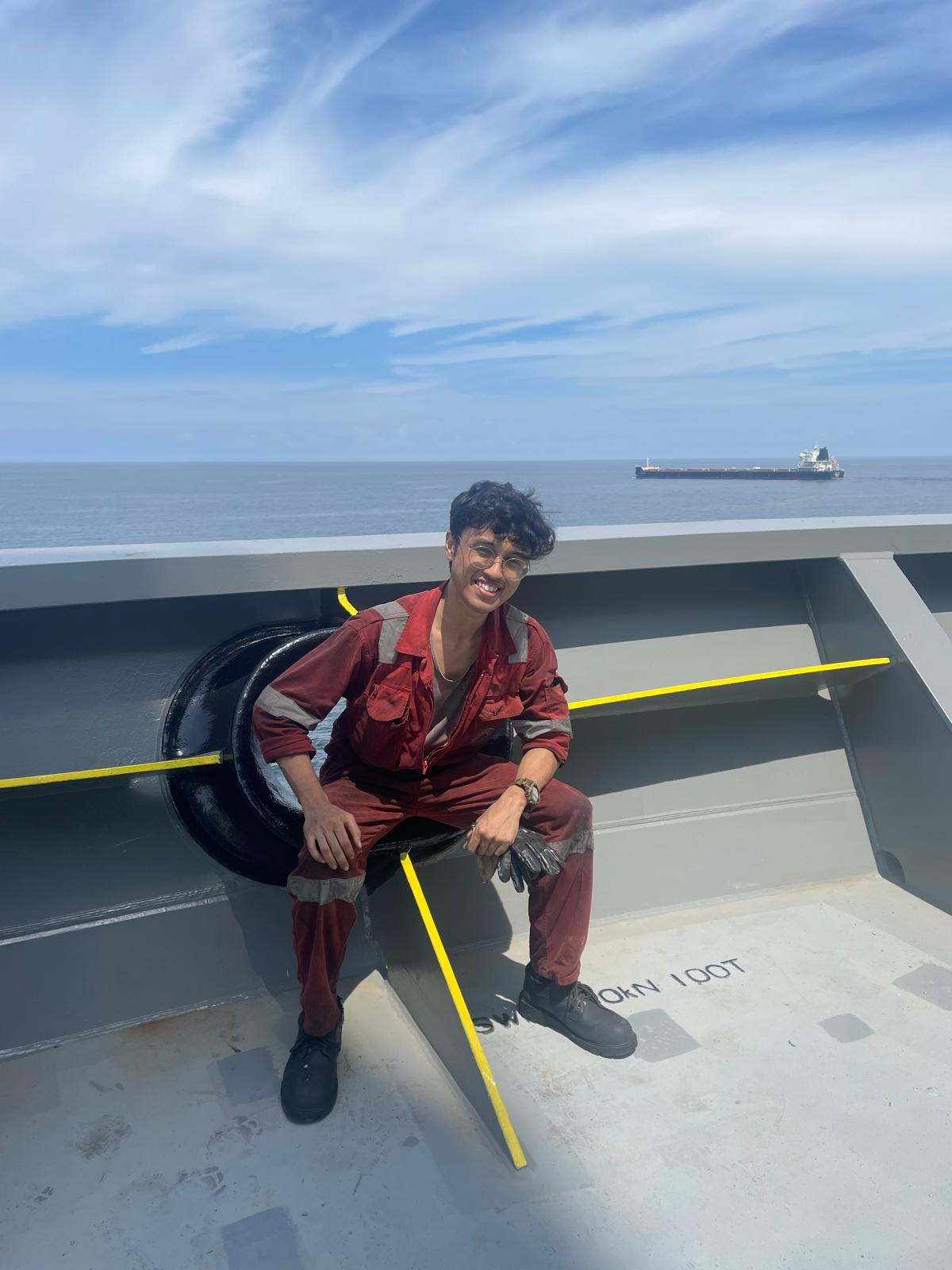
Deep beneath the floor plating of a ship’s engine room, a young trainee was crawling through a tight space to trace a pipeline. The temperature was above 40°C.  

 Sweat soaked through his boiler suit, and in a moment of discomfort, he did what every safety manual warns against. He rolled up his sleeves to cool down. 

Almost immediately, his forearm brushed against a copper steam-tracing line. He flinched back instantly. The burn was minor, but the faint scar remained. 

 “No one had to say anything. I felt it. I told myself never to repeat this mistake. You don’t have to wait to be reprimanded before wearing your gear. You know the job, and you never take shortcuts.” 

 For Mohd Hazim, now 28 and a seasoned 3rd Engineer, that scar remains an indelible reminder of a hard-won maritime truth: There are no shortcuts to safety. 

An Unfamiliar Course

Hazim’s route to the sea was not a family tradition. His father works in F&B operations, while his mother and elder sister are in retail sales. Nobody around him knew anything about ships.  

“Typical Asian household—they wanted me to go into healthcare, to be a doctor,” Hazim says with a chuckle. “They even suggested nursing, but I told them I’m no good with needles or blood. Machines don’t complain like humans. For me, that was a much safer choice.” 

Drawn to physics and mathematics, he enrolled in the Diploma in Marine Engineering at Singapore Polytechnic (SP) in 2016, a course he had never heard of. 

The first year was challenging. Ship stability calculations were nothing like his O-Level mathematics. But Hazim pushed through, his grades improving steadily with each semester.  

When an opportunity arose to compete for a six-month sea-going cadetship during his final year, he jumped at it. Only 40 of 120 students were selected. Hazim secured his place with a Tripartite Maritime Scholarship Scheme (TMSS) sponsorship from Synergy Marine.  

Every Alarm Matters

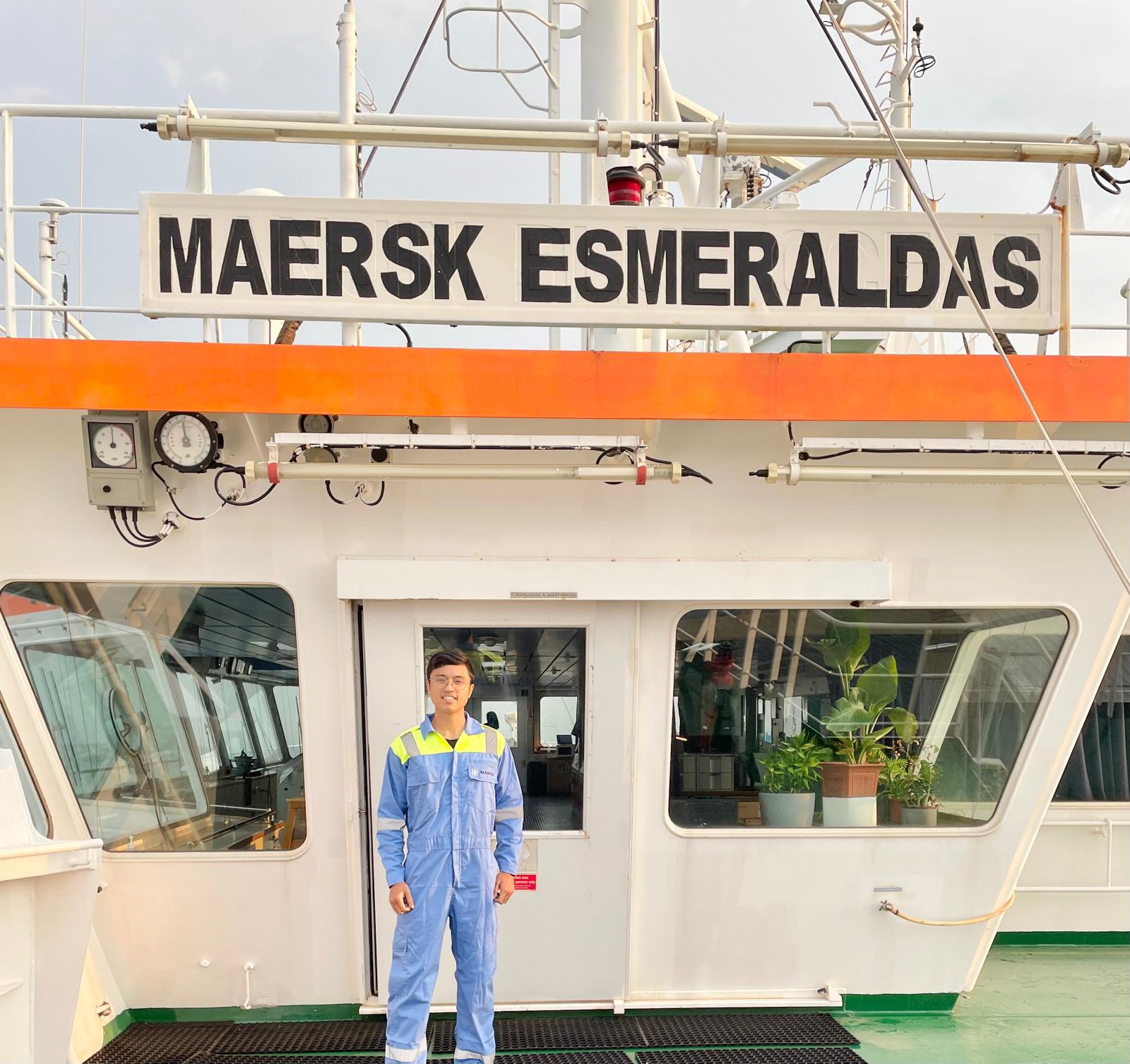
Over the years, Hazim navigated a steep learning curve, earned his stripes, and took on greater responsibilities as a 3rd Engineer. 

Yet with greater experience came a greater appreciation for how quickly complacency can creep in. 

He recalls one night while sailing in China’s crowded waters, Hazim was standing watch with anoiler when an alarm sounded, indicating potentially low seawater pump pressure.  

“Alarms come in every day, and this one could have been brushed off. But seawater cools the main engine much like a car’s radiator. Without it, the engine overheats, leading to a blackout,” he explains. 

He instructed the oiler to check the pumps three decks down. The oiler said it was probably nothing. Hazim refused to gamble. ”I told him, “An alarm is an alarm.'” 


Moments later, the report came back. The primary pump was tripping, the standby pump had engaged and tripped as well, and the third pump was struggling. 

Hazim called the Chief Engineer immediately: “We have a situation. We need all hands on deck. I need five to ten guys.” 

Within ten minutes, the full engine team assembled, along with the bosun and deck crew. Upon opening the filters, they found them choked with marine growth and debris. After two hours of cleaning, normal operations were restored, and the ship moved to a different anchorage to prevent the problem from recurring. 

“We averted a potential disaster,” he heaves a sigh of relief. 

The Human Element to Manage

Some of Hazim’s most valuable lessons had little to do with engineering. 

“Machines are the easier part. After 10, 20 years, a computer is still a computer. You read the manual, you know how it runs,” he observes. “People are different. Every day, people have different moods, stresses, and personal struggles. You cannot read their minds.”  

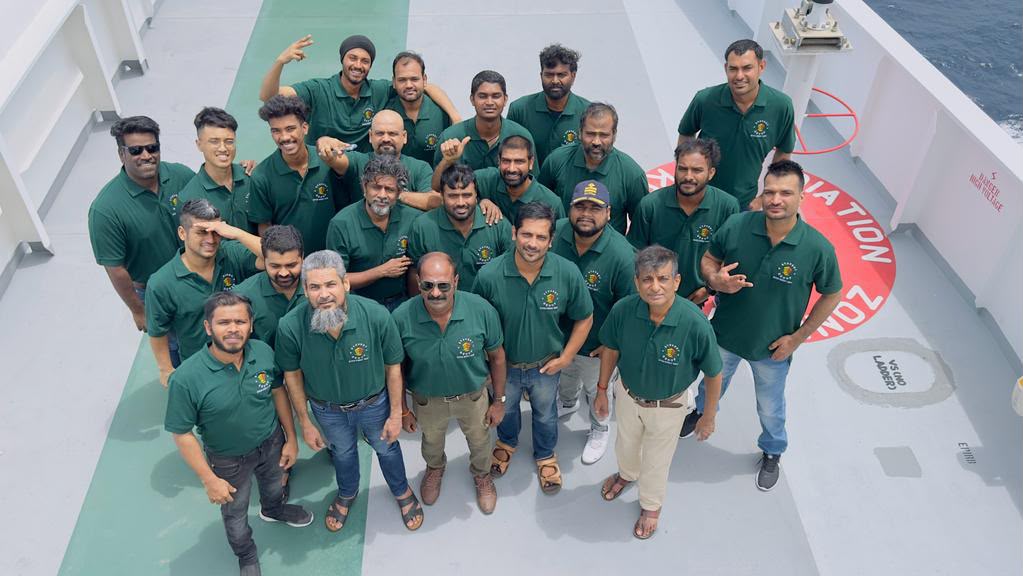
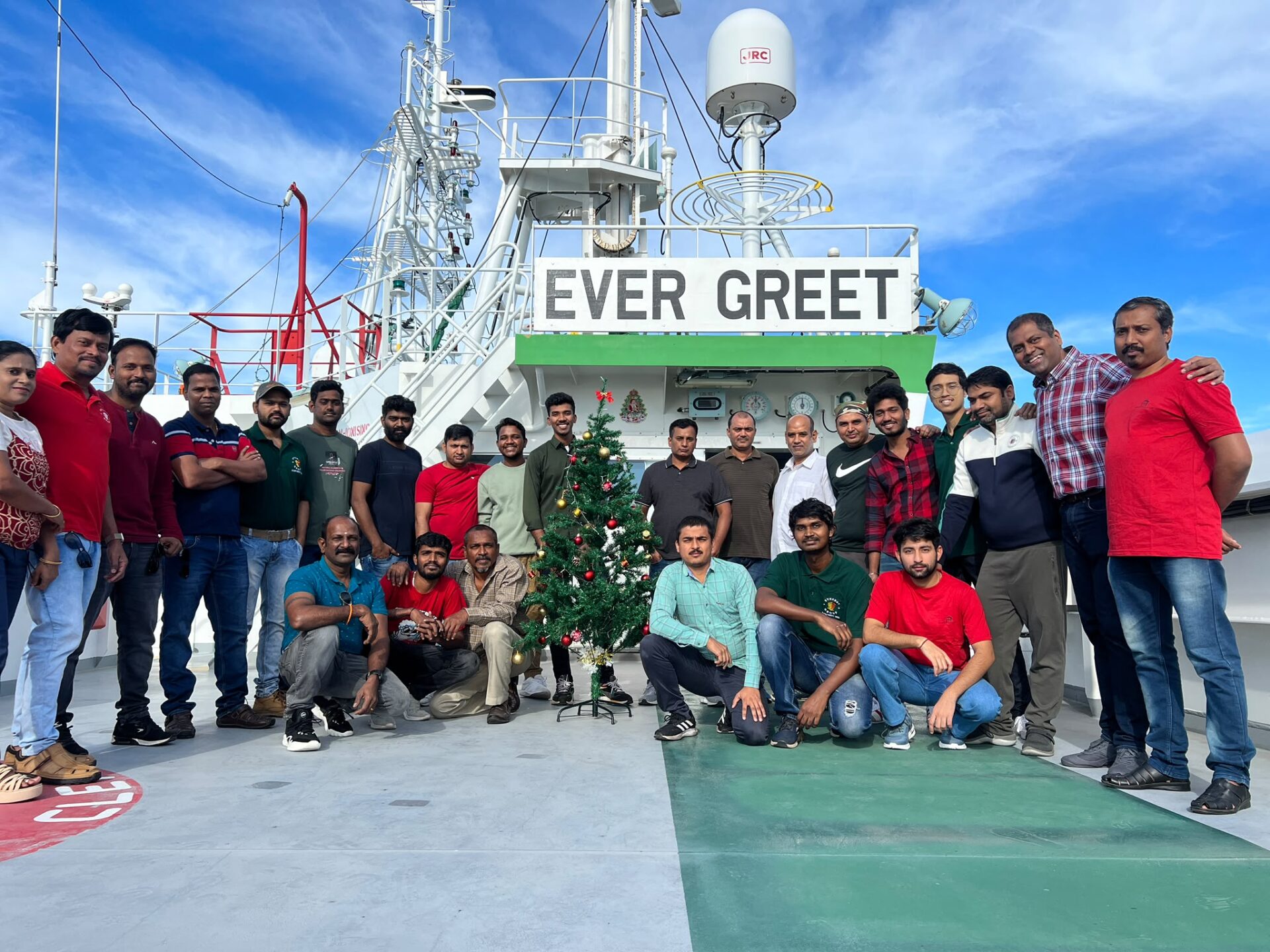
Usually the only Singaporean onboard, Hazim works with multinational crews from diverse cultures and experience levels. On a 45-day voyage from France to Singapore, that challenge was put to the test.  

 Crossing Africa, the ship suffered a major main engine breakdown on a Saturday night immediately after a fire drill. With the engine room reaching 48 degrees, the crew faced a gruelling16-hour repair operation to replace a broken piston ring. 

The technical repair was demanding, but managing morale was just as critical. 

“You have to motivate people. You keep morale high. You talk to each other, joke around a bit, take the stress off them, and then get back to the job.”  

The team completed the repair at 9 a.m. on Sunday, exactly on schedule. For Hazim, the ordeal reshaped his understanding of leadership. It is about staying composed and supporting people when everyone is looking for directions. 

A Disciplined Mindset

Throughout his career, Hazim has developed habits that keep him disciplined. 

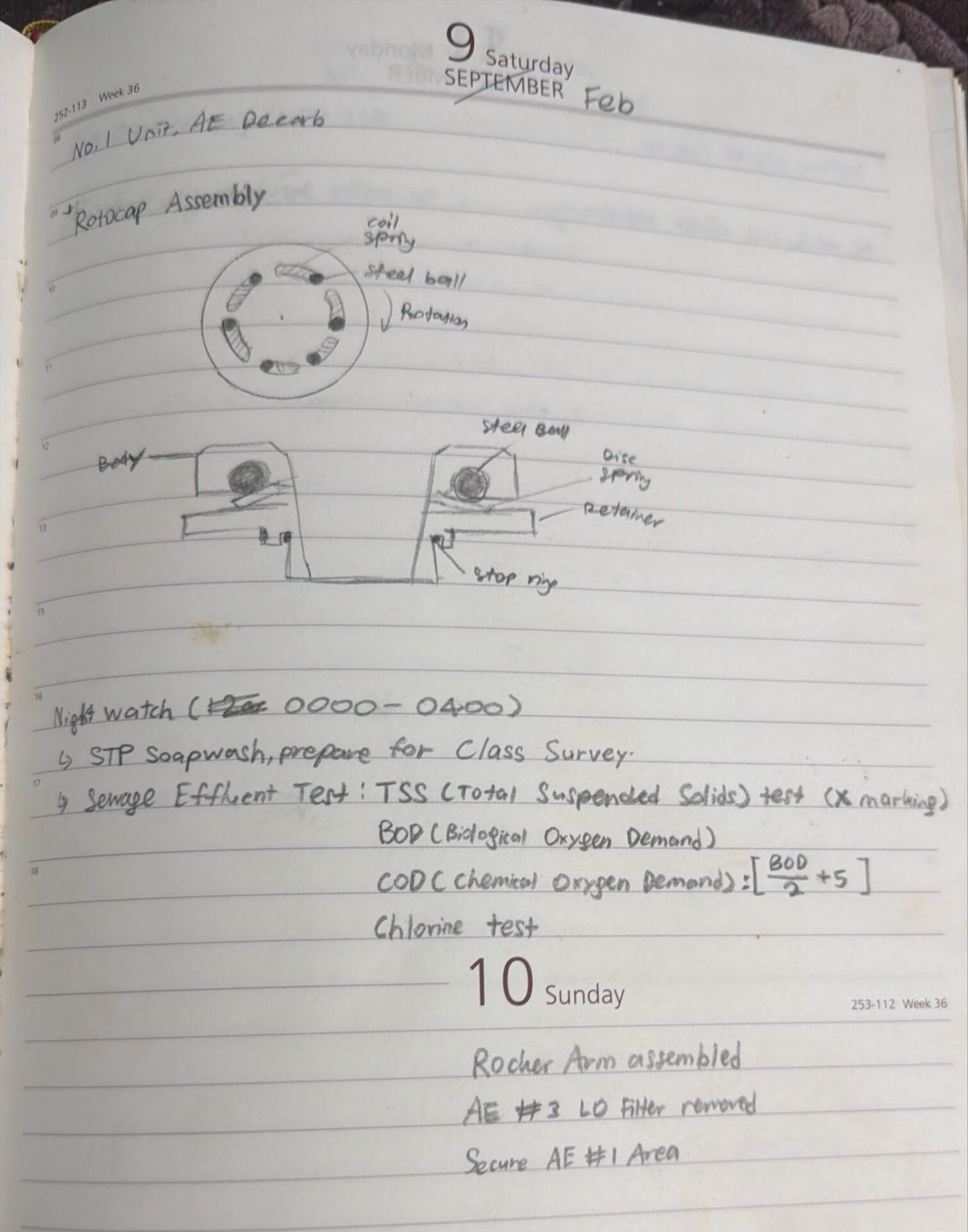
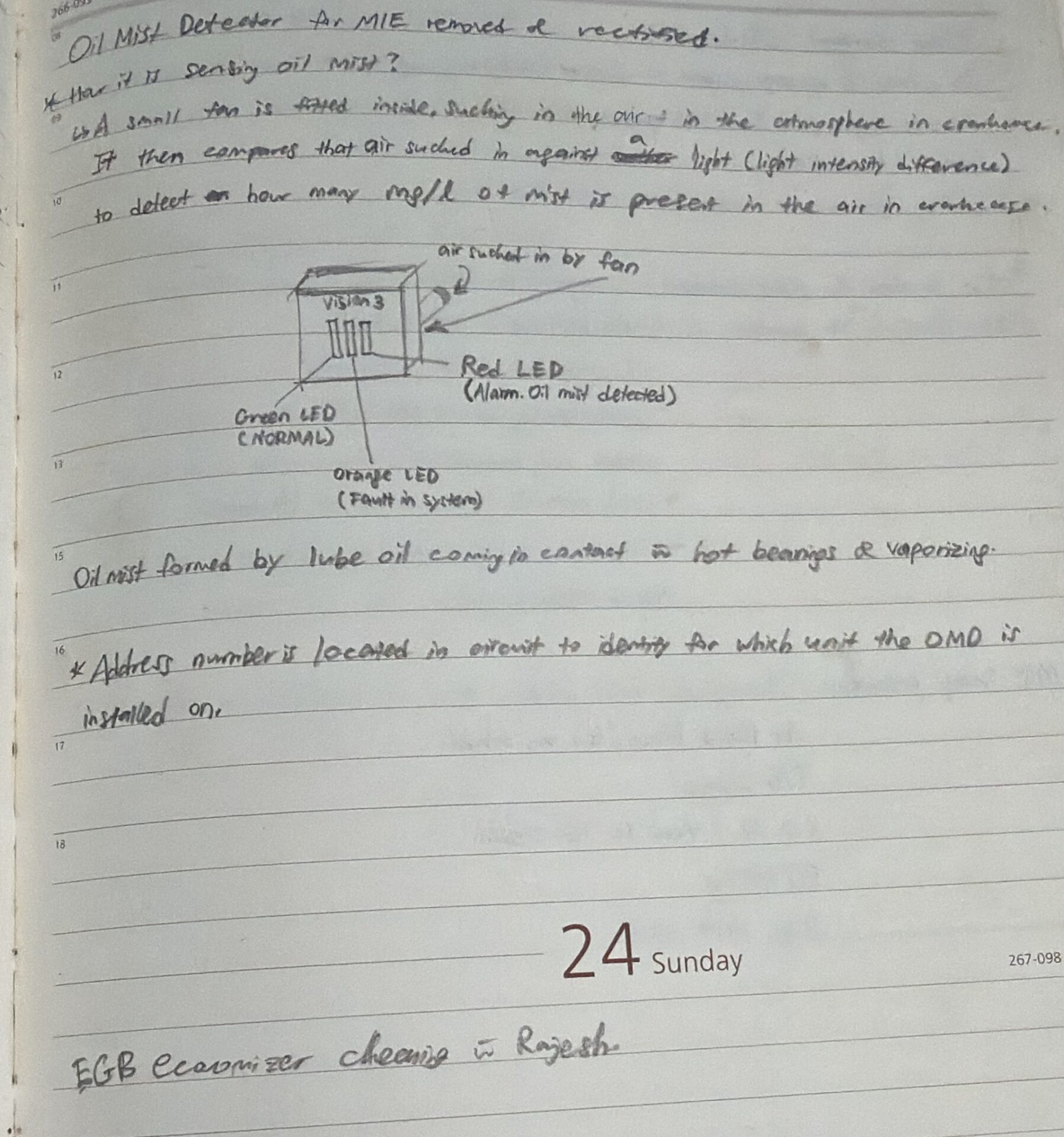
As a cadet, he carried a notebook everywhere, asking his senior engineers one technical question each day and sketching machinery layouts by hand.  

Later, he took detailed photos of equipment overhauls, cataloguing torque specifications and spanner dimensions, so his fellow crew members would not waste valuable hours searching for tools during critical jobs. 

 Yet even with growing experience, Hazim learned that knowledge can quickly become dangerouswhen it breeds overconfidence.  

He recalls an incident in which a misaligned valve caused scalding 90°C fuel oil to splash out while he was cleaning a filter. 

“Never let your pride or ego take over,” Hazim emphasises. “You think you know a job inside out, but complacency will bite you. That’s why we work in pairs. Always cross-check your work.” 

Charting the Next Steps

Having attained his Class 2 Certificate of Competency (CoC) on his first attempt, Hazim is now working towards his Class 1 CoC. 

Looking ahead, he sees many options ashore. One path that excites him is marine surveying. Building on his experience operating shipboard machinery, he wants to understand the regulations that govern ship design and use, and inspect vessels to help ensure they are seaworthy and safe for their crews. 

 He is also keen on becoming an examiner to qualify the next generation of engineers. “I like to empower Singaporeans to do a better job in the maritime industry.” Returning to Singapore Polytechnic as a lecturer is another possibility he remains open to. 

Never Let your Guard Down

Asked to sum up his maritime journey in a single sentence, Hazim does not hesitate. 

“The world isn’t as it seems. When you think you’ve got it all figured out, you haven’t.” 

Years at sea have taught him that every challenge carries a lesson. A burn from rolled-up sleeves. A critical alarm that could have been ignored. A breakdown that tested an entire crew. Eachexperience reinforced the same belief. 

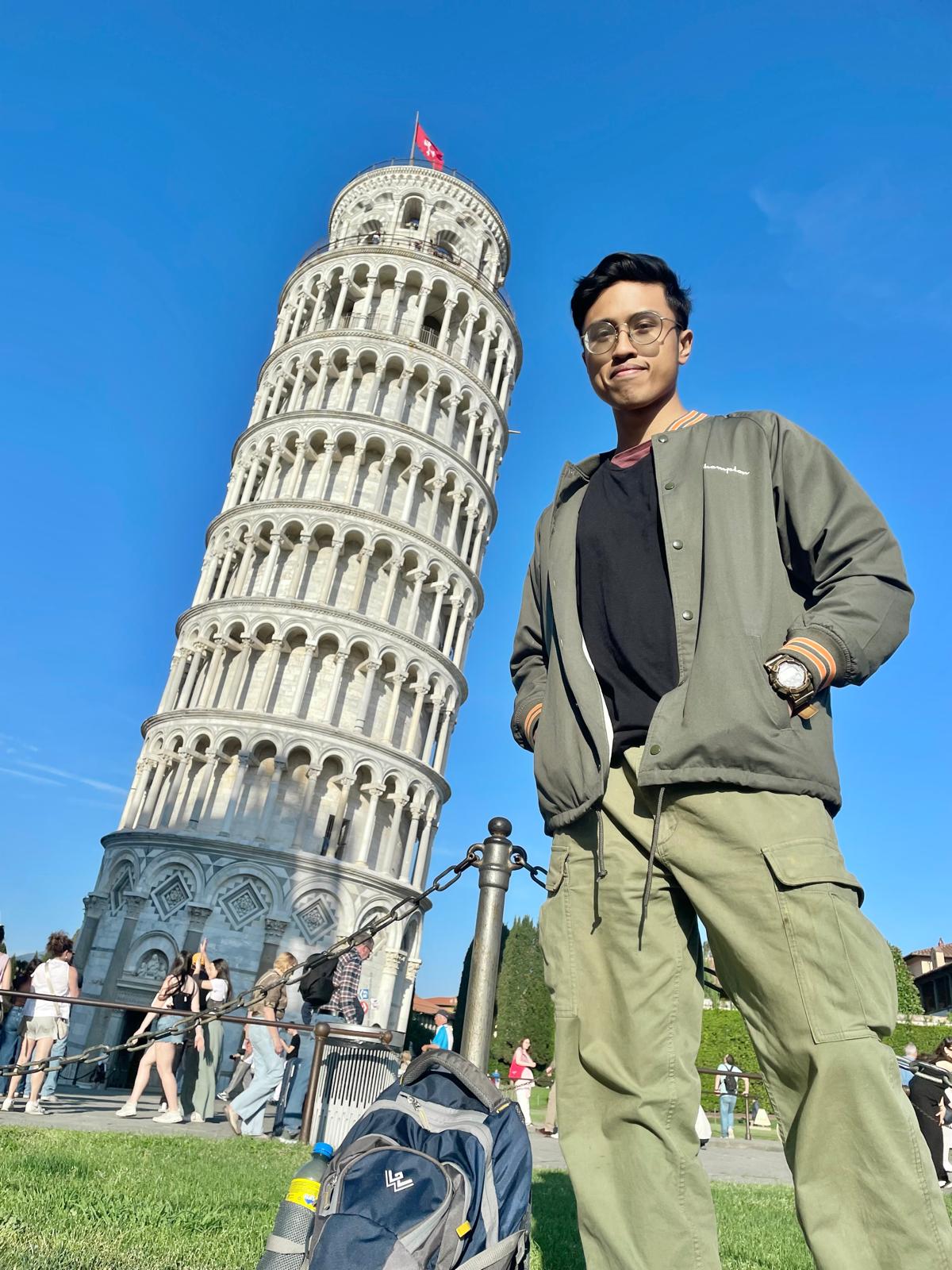
What Hazim enjoys most about his career at sea is the chance to explore places he once knew only through television and social media. Whether visiting the Leaning Tower of Pisa in Italy or historical sites in Greece during a port stay, these experiences have brought a sense of wonder. “There’s a difference between seeing it on the screen and seeing it in real life,” he says.