
Thank you for subscribing to Seavoices’ updates!

Please take a moment to check your email inbox and confirm your subscription to start receiving the latest news and updates.

06 Apr 2026
5 mins
It’s Complicated: Our Relationship with Maritime

The maritime industry is often depicted as challenging yet profoundly rewarding. For those who have dedicated years to navigating its intricacies, their relationship with maritime work can be a love-hate affair.

On one hand, the sense of purpose, pride, and identity that comes with keeping the global trade moving is unparalleled. On the other hand, the pressures of uncertainty, unpredictable schedules, and the need to perform consistently around the clock can be daunting.

Ask anyone who has spent time in the maritime industry, and you’ll hear a quiet admission that “it is complicated”.

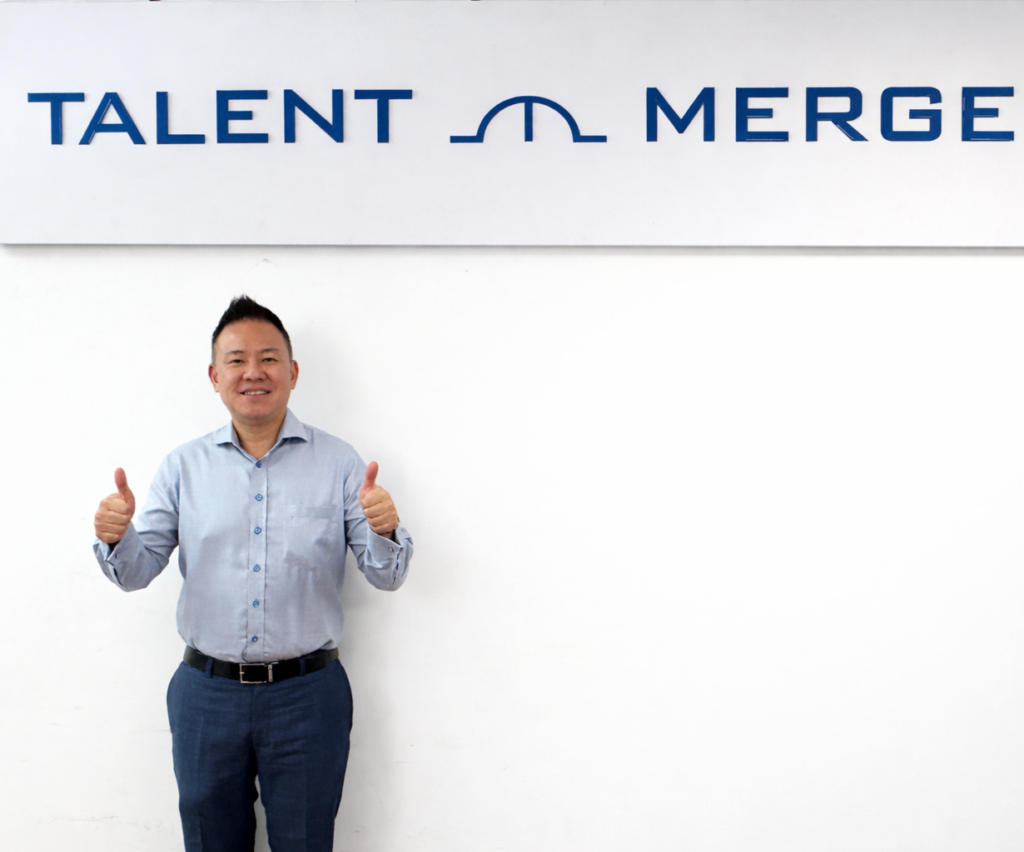
Clarence Khoh, director of Talent-Merge Pte Ltd, is well-acquainted with this tension, having spent over 20 years in the industry.

 “The main tension arises from responsibility—individual, departmental, and organisational,”

he says.

Decisions made in shipping carry serious and immediate consequences. They affect safety, livelihoods, and the flow of global trade. For many, the rewards are clear. “When a vessel arrives safely, a port operates smoothly, or a supply chain holds during disruption, the impact is evident,” Clarence points out.

When Clarence first entered maritime in 2004, what struck him most was the scale of the industry.

“I hadn’t realised how globally interconnected the industry is,” he recalls.

Over time, his work expanded beyond handling products to leadership, global exposure, and eventually, talent development. What continues to engage him today is the industry’s constant evolution—emerging technologies, new risks, and the ongoing need for capable people to navigate the demands.

Maritime’s challenges are real. Yet for Clarence, these challenges also highlight the importance of resilient leaders and committed professionals.

“People who thrive long-term in maritime don’t just have interest, they have endurance-driven passion. Most are resilient and have a strong sense of responsibility. They are individuals who take pride in solving problems under challenging constraints and requirements.

Anyone who takes on a job without passion will be dragging their feet to work every day,” Clarence adds.

For younger professionals, these pressures may feel even more acute.

“With constant connectivity and social media, expectations around work-life balance are different,” he notes. “Long contracts, isolation, and rigid structures are felt more intensely.”

This discrepancy between expectation and reality must be tackled head-on.

For industry leaders, bridging this generational gap is vital for survival. Clarence contends that the remedy for this disillusionment is radical honesty.

“Transparency builds trust. When people understand the challenges and the reasons behind decisions, they are more likely to stay engaged and committed.”

Conversely, a lack of transparency frequently leads to frustration, disengagement, and ultimately attrition. In today’s environment, particularly with younger talent, “honesty is not optional”.

Even for him, there were moments of doubt early in his career, amidst high expectations and the weight of managing 70 staff.

“There were times when the pressure felt overwhelming,” he shares. What sustained him was mentorship, perspective, and a growing realisation that difficulty is not an anomaly in maritime—it is part of the work itself.

Over time, resilience shifts from merely enduring hardship to recognising its significance.

“Each problem solved brings satisfaction,” he reflects. “And often, it opens the door to new opportunities.” Many remain not because the work becomes easier, but because it becomes meaningful. They understand that

“Maritime is not just a job, it’s a commitment to keep global trade moving.”

This is where company culture becomes critical. When organisations foster accountability, mutual respect, and genuine trust, people don’t just meet obligations—they go all in.

When a Master knows the crew has his back, when crew members trust each other’s judgment, and when shore management depends on accurate reporting from the vessel and acts accordingly, something shifts.

Respect, in this context, is shown through “clear and honest communication”. It is demonstrated by recognising each person’s role and supporting one another during high-pressure moments. It’s built through lending a listening ear and recognising one’s effort, Clarence explains.

He pointed out that pride in work comes from years of mastering one’s craft, especially in demanding maritime environments, and shared a personal reflection on what truly keeps seafarers committed to the industry:

“Having been in the maritime industry for 22 years, I have noticed that people are more likely to stay when they feel respected as professionals and recognised for their efforts. Long-term commitment develops when there is teamwork, dedication, and most importantly, passion.”

Clarence believes that mentorship and knowledge exchange are important. When experienced maritime professionals invest in younger talent, sharing not only technical skills but also the wisdom of why they have stayed, they do more than just fill roles. They welcome the next generation into a tradition of responsible and meaningful work.

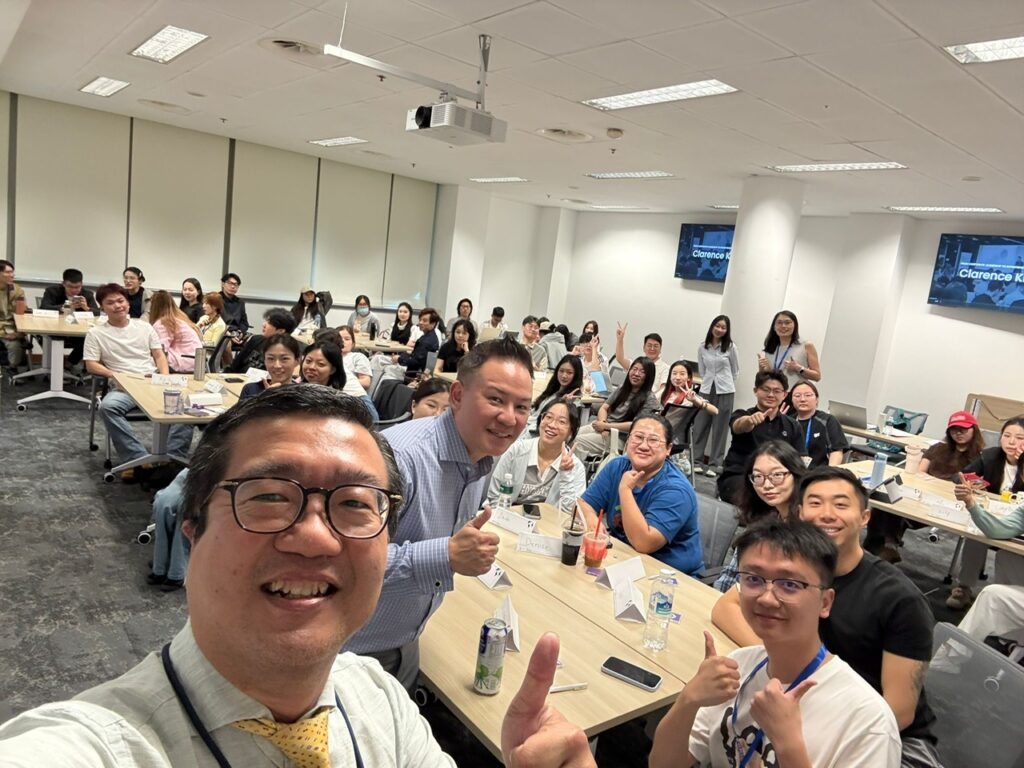
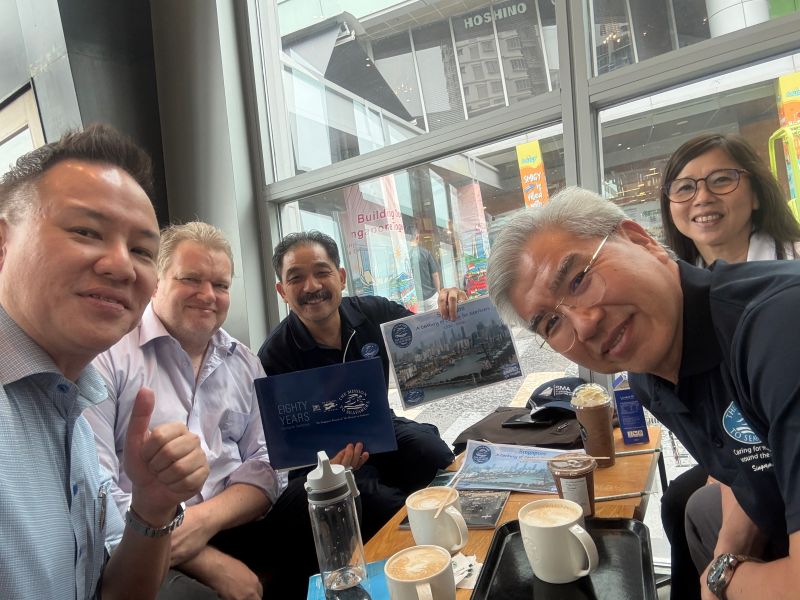
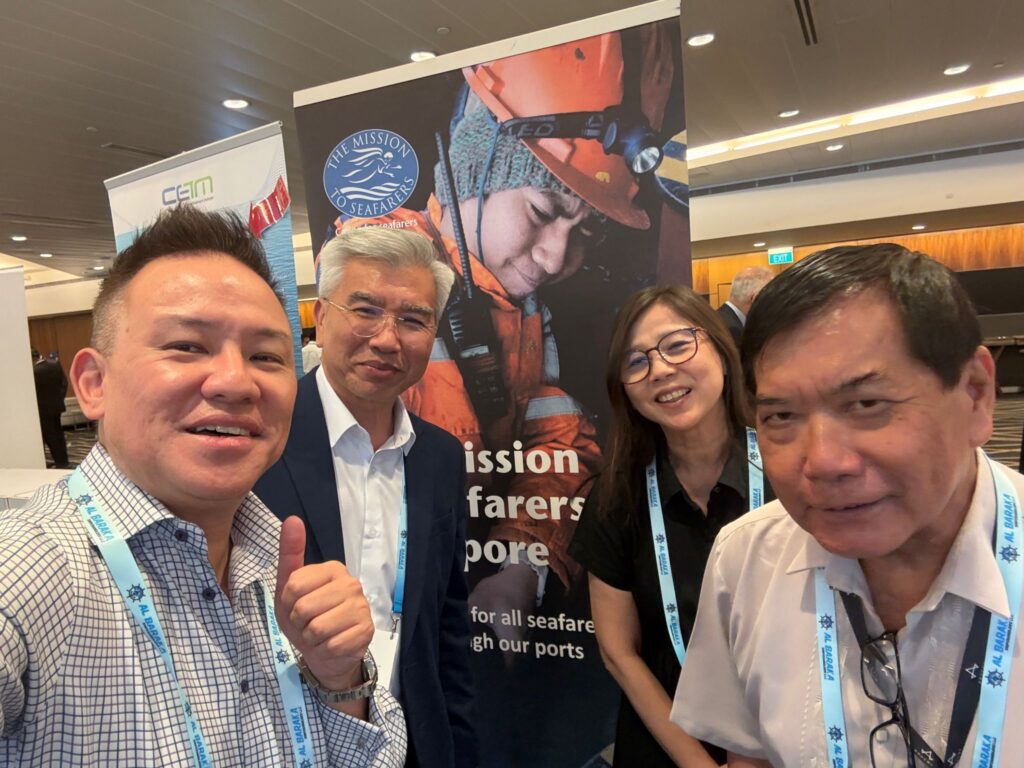
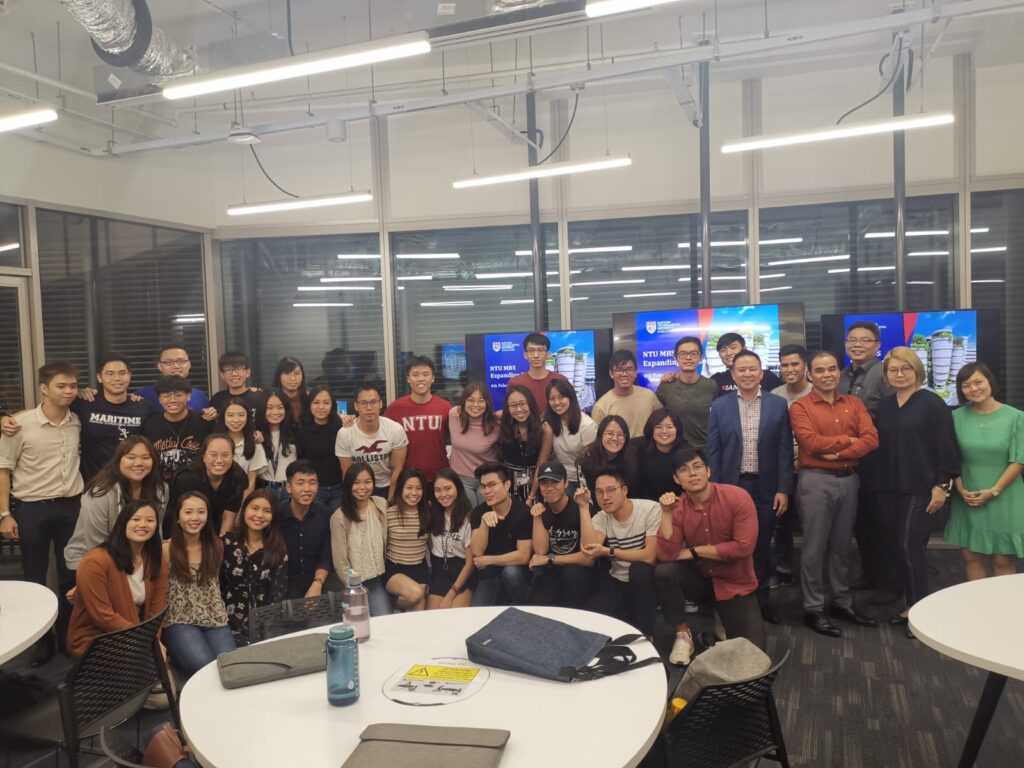
“For me, I am currently serving with Mission to Seafarers and SMEF. I am also a mentor to students at Singapore Management University and Nanyang Technological University, where I share my maritime experience and do my best to attract younger talent to the maritime industry.”

Clarence highlights, ”This industry will challenge you, demand sacrifice from you, but it will also shape you into a stronger, more capable person to cope with tomorrow’s challenges. If you are willing to commit, learn, and persevere, maritime can offer a rewarding and meaningful career.”

Although the love-hate relationship with maritime work can be complex, for those who discover their passion and purpose in this industry, the rewards far outweigh the challenges.

For those willing to take the plunge, maritime work offers a chance to be part of something greater—a genuine opportunity to make a difference in the world.