Thank you for subscribing to Seavoices’ updates!

Please take a moment to check your email inbox and confirm your subscription to start receiving the latest news and updates.

19 Jun 2026
7 mins
Why the Labour Movement Matters More in the Age of AI

Leverage

Leverage is the one word Mr Foo Cexiang keeps coming back to.


To him, Artificial Intelligence (AI) is a tool that workers can leverage to do their jobs better. “Within that premise is a recognition that AI supports a human being and does not replace the human being,” he says. 


That belief runs through his conversation with SeaVoices: workers leveraging technology, unions leveraging partnerships, and Singapore leveraging its uniquely tripartite model. 


To understand why this matters so much to him, it helps to know where he is coming from. 


As Member of Parliament for Tanjong Pagar GRC, where the port was first located, many of the residents he represents live in flats built decades ago by the Port Authority of Singapore (PSA) to house port workers. 


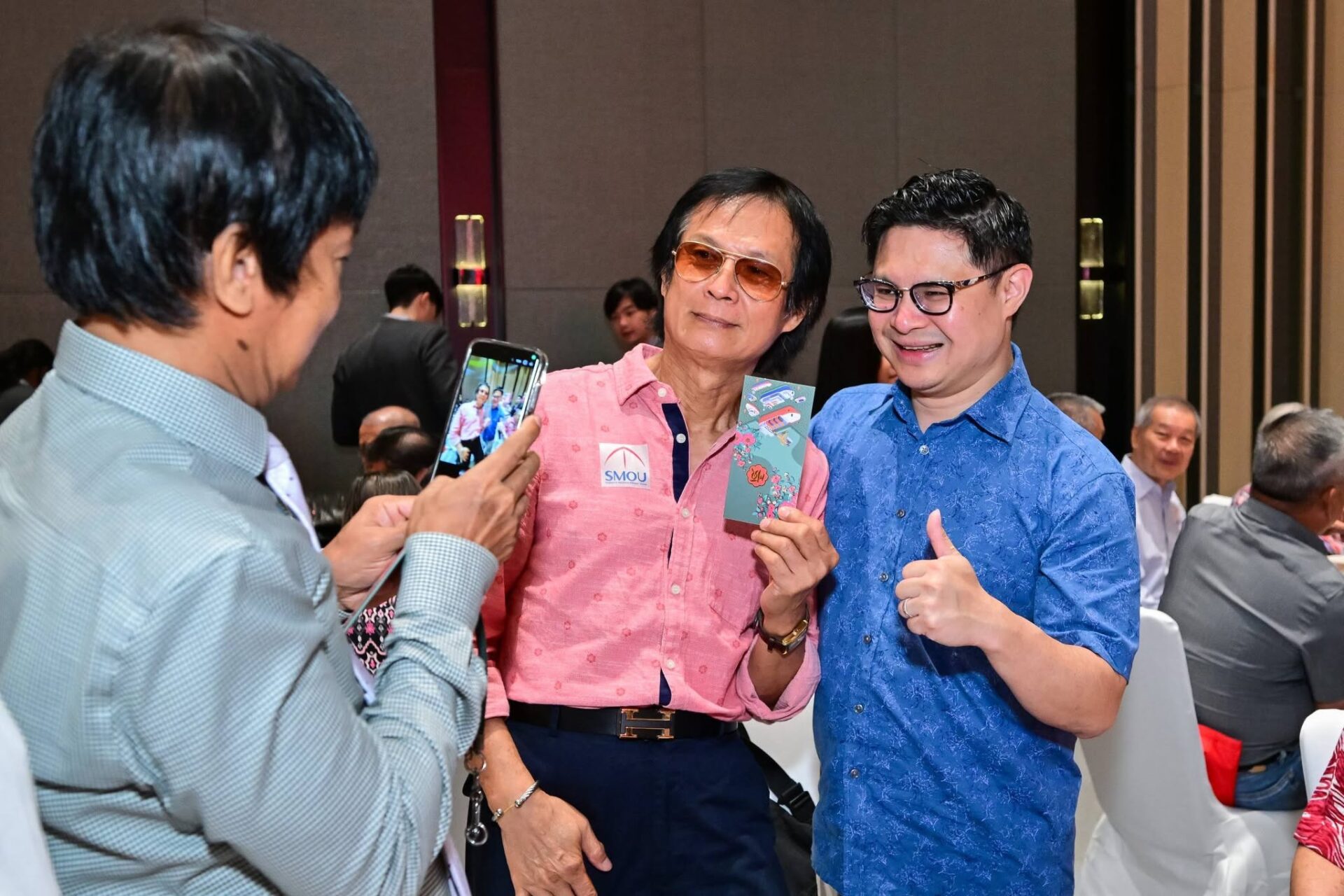
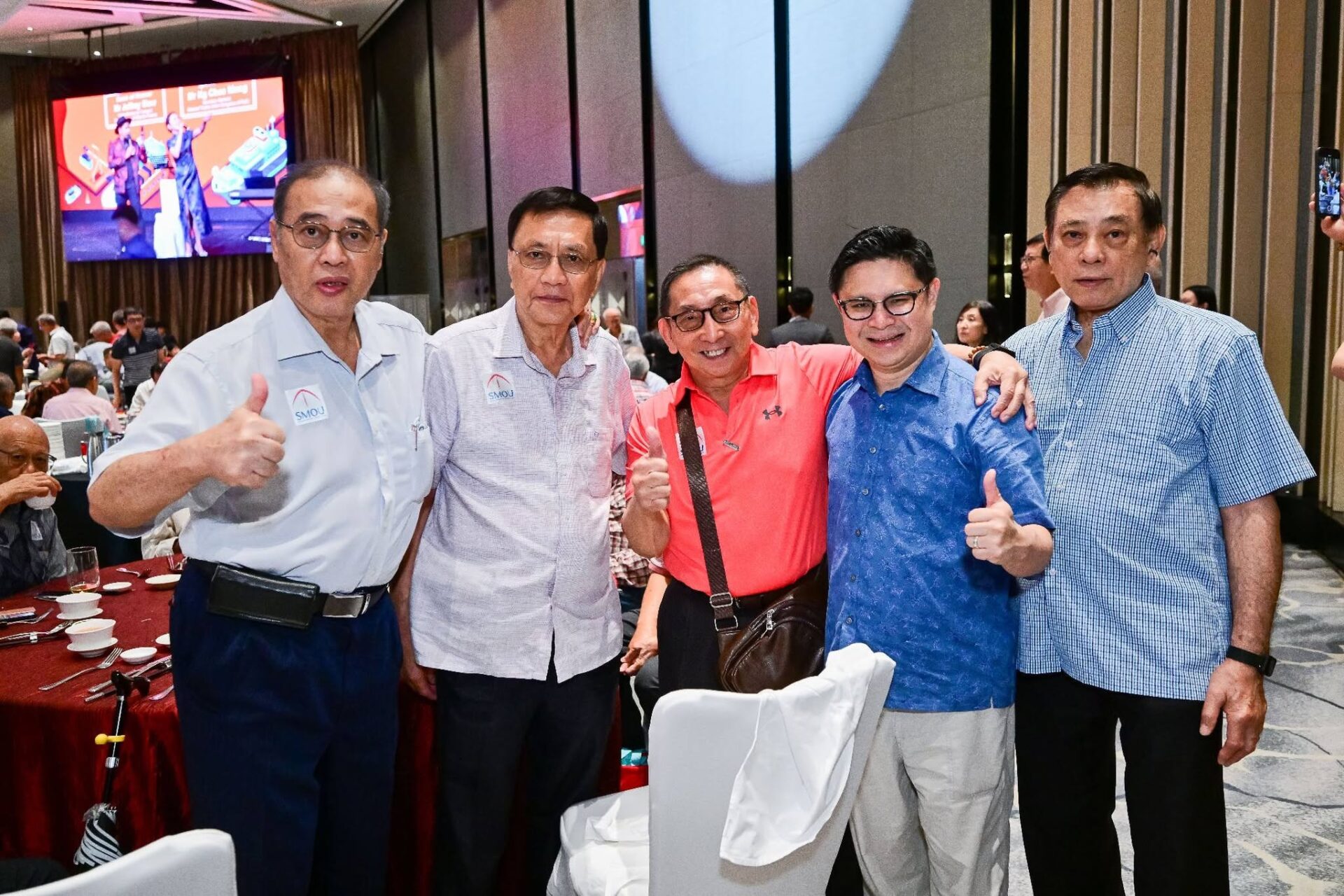
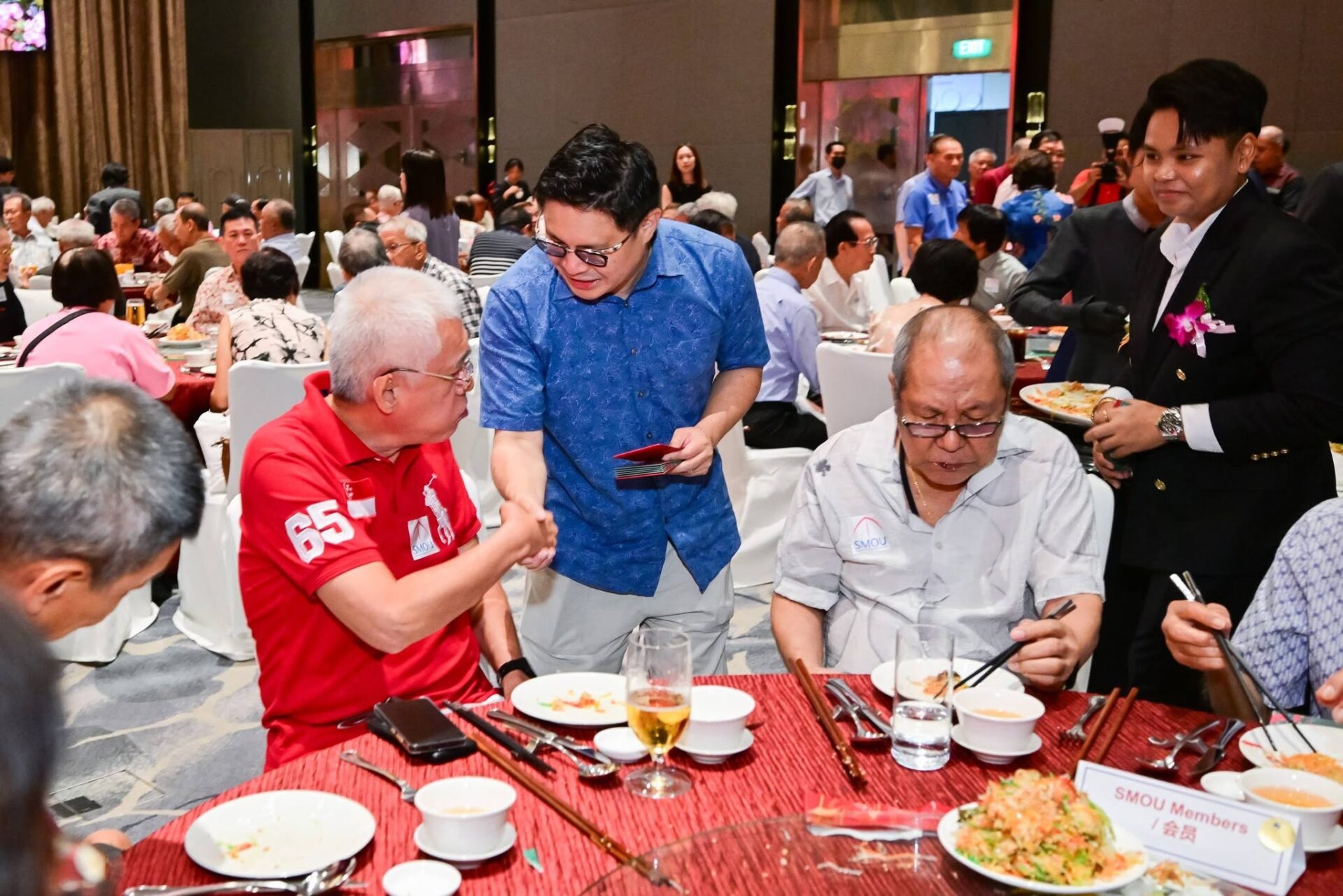
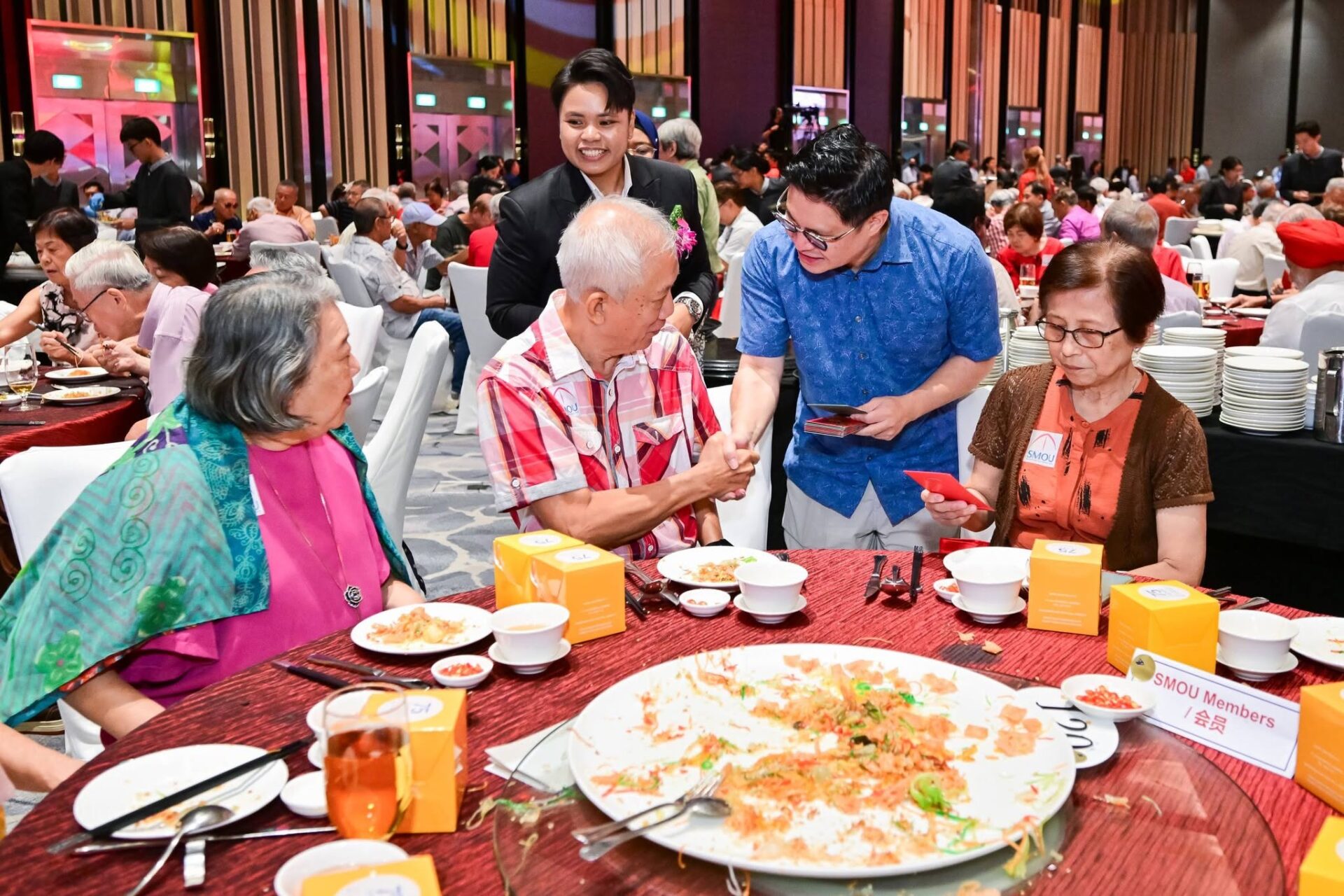
“The significance of Singapore as the maritime heart of the region has always been very close to my heart,” says Mr Foo, Vice President (Port Ecosystem Development) at PSA Singapore and Adviser to the Singapore Maritime Officers’ Union. 


The connection runs deeper still. His maternal grandfather, Seah Hun, began on fishing boats in the 1930s and 1940s before becoming a shipowner. His father, Foo Say Nong, trained as a maritime engineer and spent time at sea in his younger days. “Now, as adviser to SMOU, I guess there’s a line of fate tying it together,” he adds. 


That maritime link also helps explain why he sees something familiar in today’s AI debate. Seafaring has lived through its own version of technological disruption.

Vessels that once required large crews now sail with only a fraction of that number. For the maritime industry, the question of how workers can leverage technology rather than be displaced by it has been lived and adapted to over decades. 

The Deeper Worry 

Ask most people what they fear about AI, and the answer is usually job loss. Mr Foo thinks the deeper concern lies elsewhere. 

Many in his generation, he says, developed professional judgment through iteration”, and that process is how instinct, intuition, and wisdom” are formed. 

He recalls a quote from Chief Justice Sundaresh Menon that has stayed with him: For generations, lawyers built their legal reasoning through the painstaking work of drafting, reading and refining. If that foundational work is outsourced entirely to AI, we risk producing a generation that may know the answers, but lack the deeper understanding of how to arrive at them.” 

For Mr Foo, the same concern extends well beyond law. Policy work, management, and many white-collar professions depend on the same slow formation of judgment. If we rely on AI uncritically, the next generation will lose out on apprenticeship. That in itself is quite worrying.” 

This is why he keeps returning to trial and error. In his view, trial and error is not inefficiency to be eliminated; it is the training of the human mind. AI may help people test more possibilities and faster. But if it begins to replace the act of forming scenarios, making judgments, and learning from mistakes, then something essential is lost. 

Growing the Pie

Mr Foo is not arguing against technology. He is arguing against a narrow way of using it. He illustrates this with a maritime analogy. Imagine a vessel that once required 100 crew members but now runs with just 10. The instinctive response is to see the loss of 90 jobs. But that is only one possible outcome. 

There are two conditions that, if they happen together, mean nobody loses their job,” he explains. 

First, the overall need for shipping grows, so instead of one ship you need 10 ships. Second, all 100 workers can be trained to operate ships in this new situation. So instead of 100 workers on one ship, you have 10 workers on each of the 10 ships.” 

This is what he means by growing the pie”, a phrase long embedded in Singapore’s labour story. If the economy grows and workers are equipped to move with that growth, there is more to share. The challenge is not simply to defend yesterday’s jobs, but to create tomorrow’s good jobs and prepare workers to take them on. 

That is why, for Mr Foo, the tripartite model matters so much. In Singapore, workers, employers, and the government are not meant to pull in different directions. Their interests are tied together.

If we don’t work together, we can’t grow the pie, and if we can’t grow the pie, we all lose out together.” 

Mr Foo sees tripartism as Singapore’s quiet advantage in the AI era. If we are able to develop this tripartite model in an AI world, we will continue to be a role model for economies all over the world, because everyone will grapple with the same challenges.” 

Why a Union Still Matters

For years, some professionals and executives have believed they could navigate any disruption on their own. Mr Foo thinks that assumption is about to be tested. 

“In the past, you had segments of work that machines couldn’t do. Now machines can do a lot more. So, the need for the labour union to protect workers and to work with the government and the companies is probably more important than it has been for a long time.” 

A single worker cannot meaningfully shape the terms on which AI enters their industry. A union can ask not only will my members still have jobs?” but also will they still have the chance to leverage this technology to build a better career?” Those questions have to be asked collectively. 

Not Everyone Will Leverage AI Equally

Mr Foo is clear-eyed about one hard truth: not everyone will leverage AI equally. Some will thrive. Others will struggle. Even with the right policies, training, and employer support, differences in temperament, confidence, and capacity will remain. 

We certainly cannot assume that everybody is going to be able to harness AI.” 

Which is why he argues that society must continue to value jobs that do not demand a deep ability to harness AI. He points to trades that have endured every technological wave: electricians, chefs, and landscape gardeners. The deeper question, he says, is not whether such work will exist, but whether society will value it enough. 

A Reason for Hope

And yet, despite all his caution, Mr Foo is not without hope. 

Singapore has done this before. Containerisation transformed the port. Automation reshaped the factories. Digitalisation upended services. Each time, the labour movement, employers, and government found a way to work together rather than fight over a shrinking one. 

His hope is also personal. When asked what he would say to his three young children in a world shaped by constant pressures to succeed, his answer was simple: Home is always a safe haven.” They should know they are supported, not judged. At the same time, he says, they must build resilience, because the world outside will not always be gentle. 

That combination of support and resilience says much about how he sees the broader challenge. Workers, too, need both. We cannot dismiss their anxieties or brush away the scale of the change. But they also need the confidence to keep learning, to endure trial and error, and to believe that struggling does not mean failing,” Mr Foo highlights. 

He speaks with particular concern about the emotional burden of modern life: the constant buzz of messages, the pressure of visibility, the stress of instant response, and the ways different people cope with stress. 

Some can absorb it. Others are overwhelmed by it,” he shares. In his view, any serious conversation about the future of work must start there, with a more compassionate understanding of what people are actually going through. 

That is why the human aspect matters so much. As the world rushes forward, no one is quietly left behind. If we work together, the pie can grow, and there is room at the table for everyone, including those unlikely to feel at ease with AI.” 

Near the end of the conversation, he puts it even more plainly: 

Empathy is humanity”, even more so in the age of AI.