Thank you for subscribing to Seavoices’ updates!

Please take a moment to check your email inbox and confirm your subscription to start receiving the latest news and updates.

25 Jun 2026
6 mins
Clearer Communication, Safer Seas: Turning Dialogue into Action

In maritime, we often talk about safety in terms of systems, procedures and compliance. But at the International Women’s Day Maritime Dialogue, Clearer Communication, Safer Seas, one point came through clearly. Safety is deeply human. 

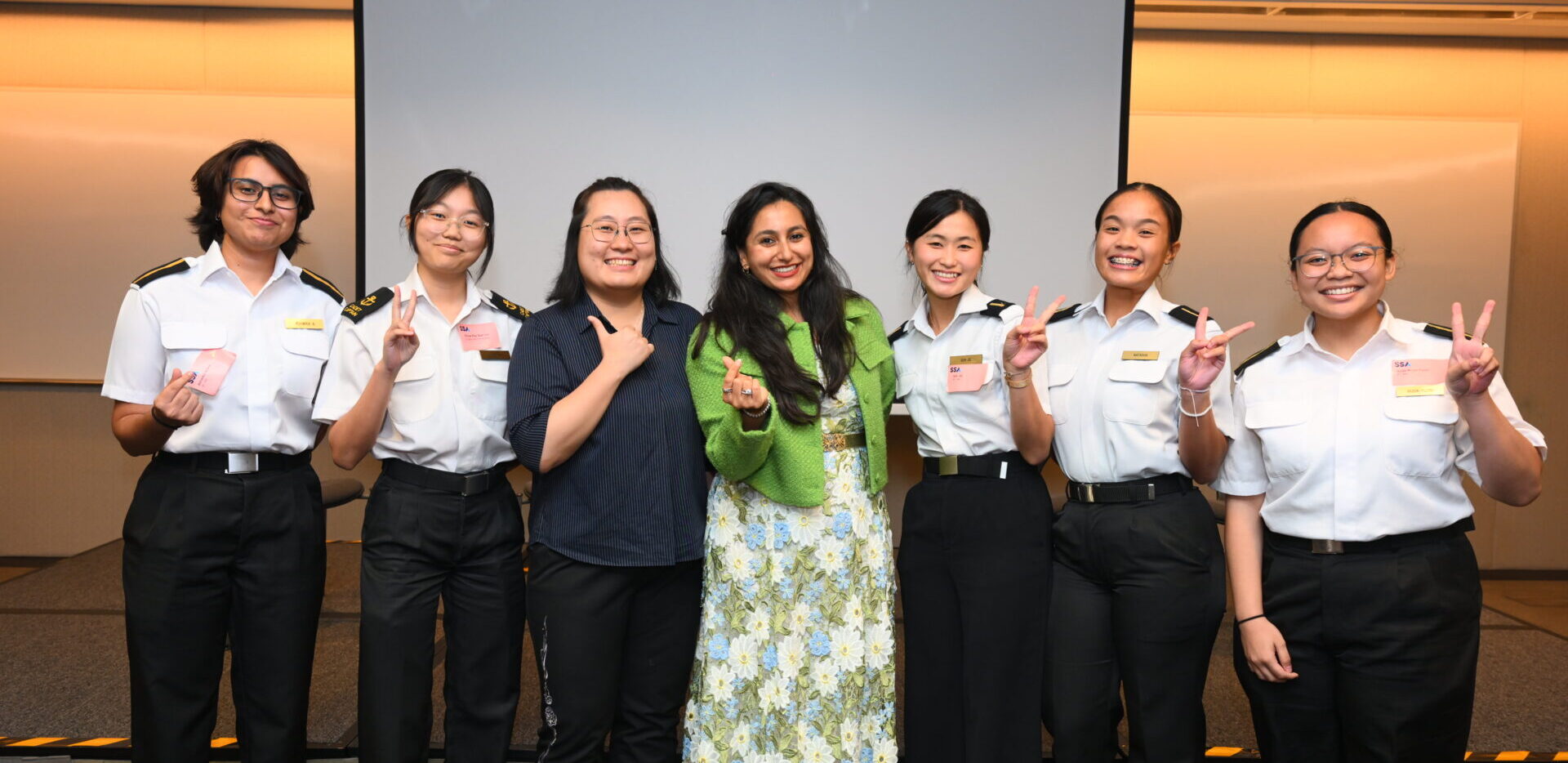
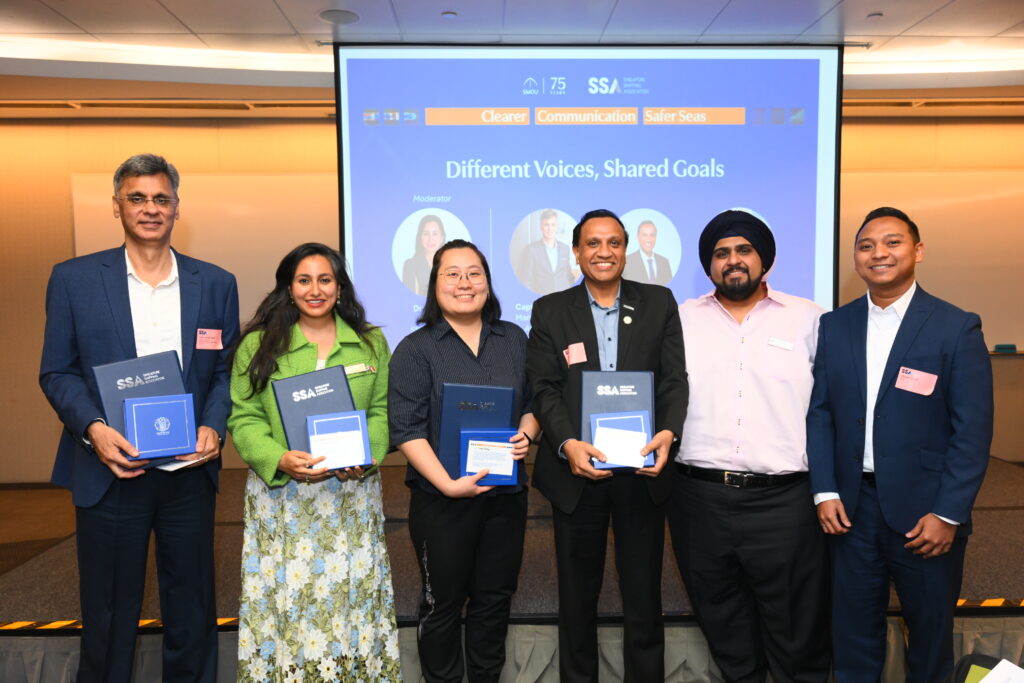
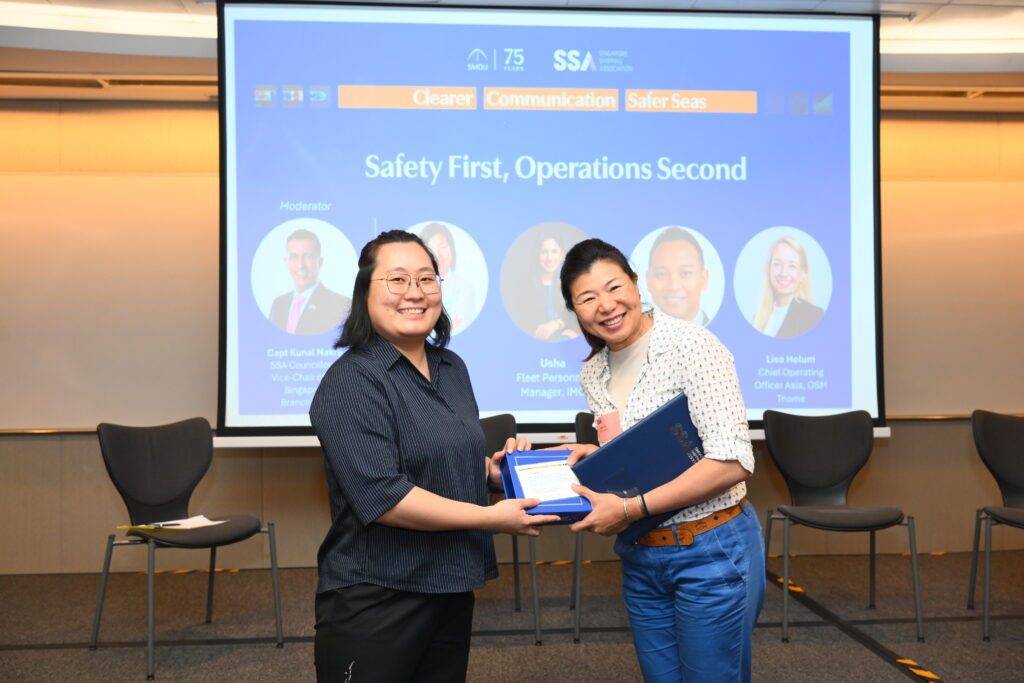
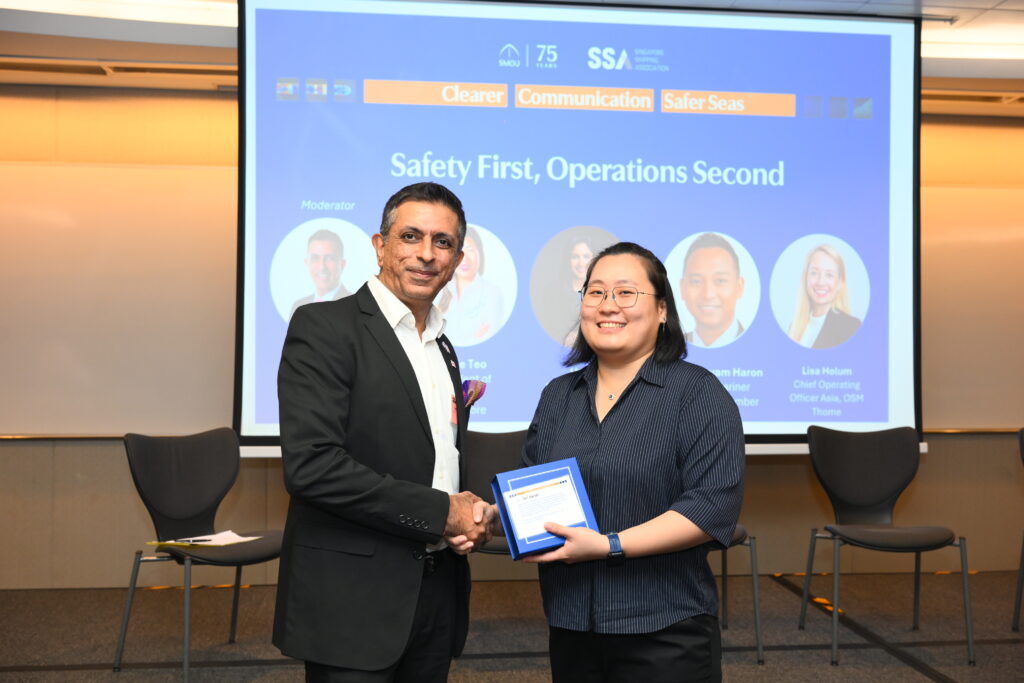
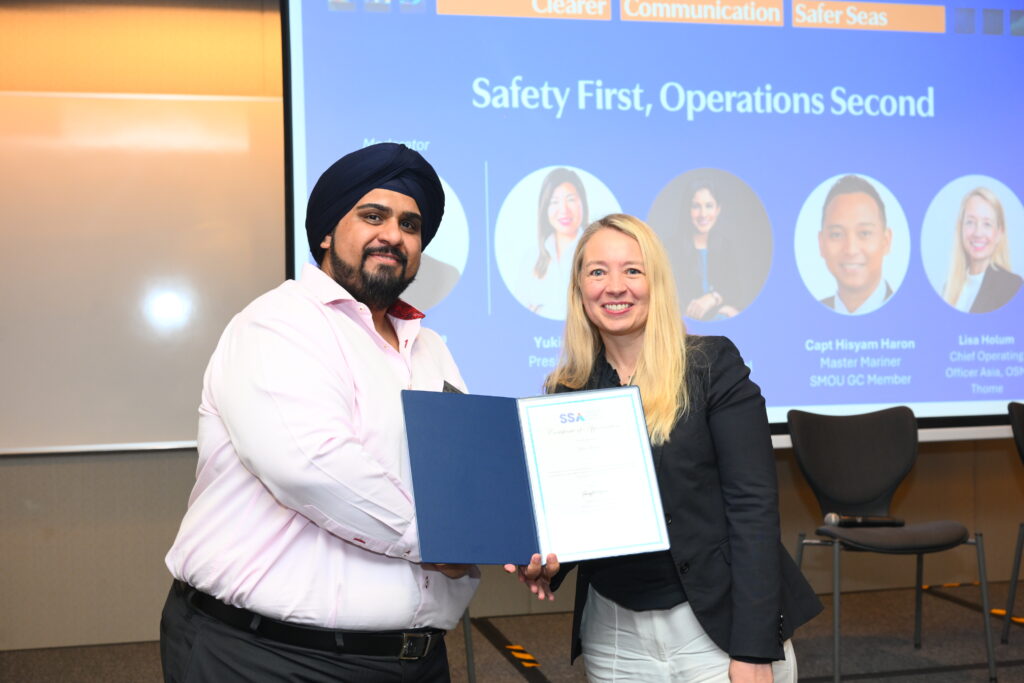
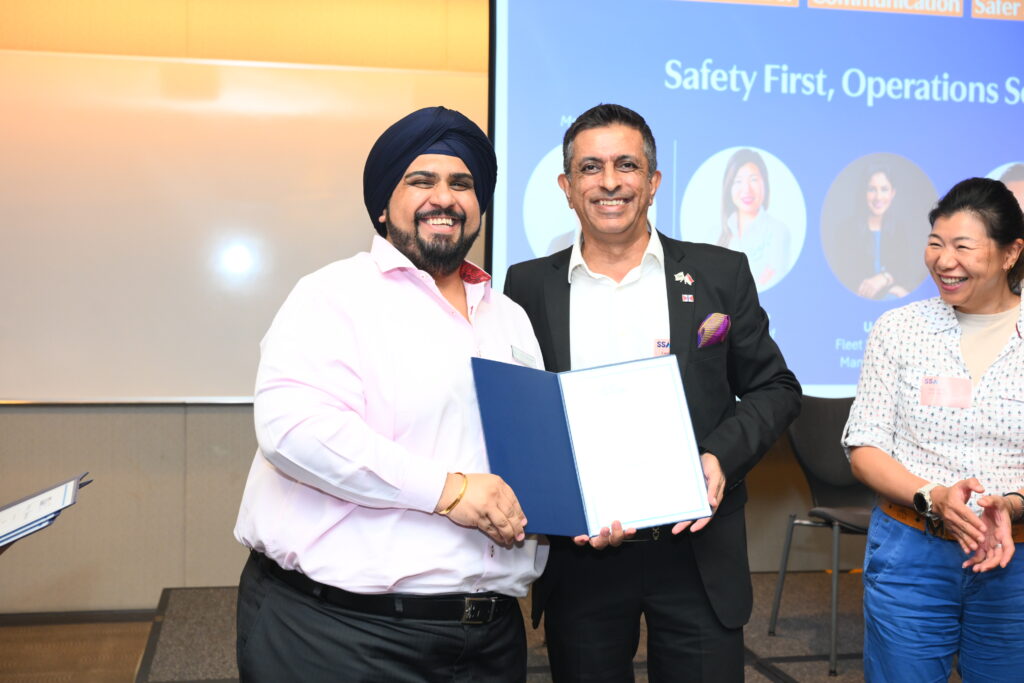
Jointly organised by the Singapore Maritime Officers’ Union and the Singapore Shipping Association Young Executive Group, the session brought together voices from sea and shore to explore how communication, culture and trust shape the way decisions are made, especially when it matters most. 

Across two panels, the discussion stayed grounded in real experiences. What emerged were not abstract ideas, but honest reflections on what is working, what is not, and what needs to change. 

Different Voices, Shared Goals: Bridging the Understanding Gap 

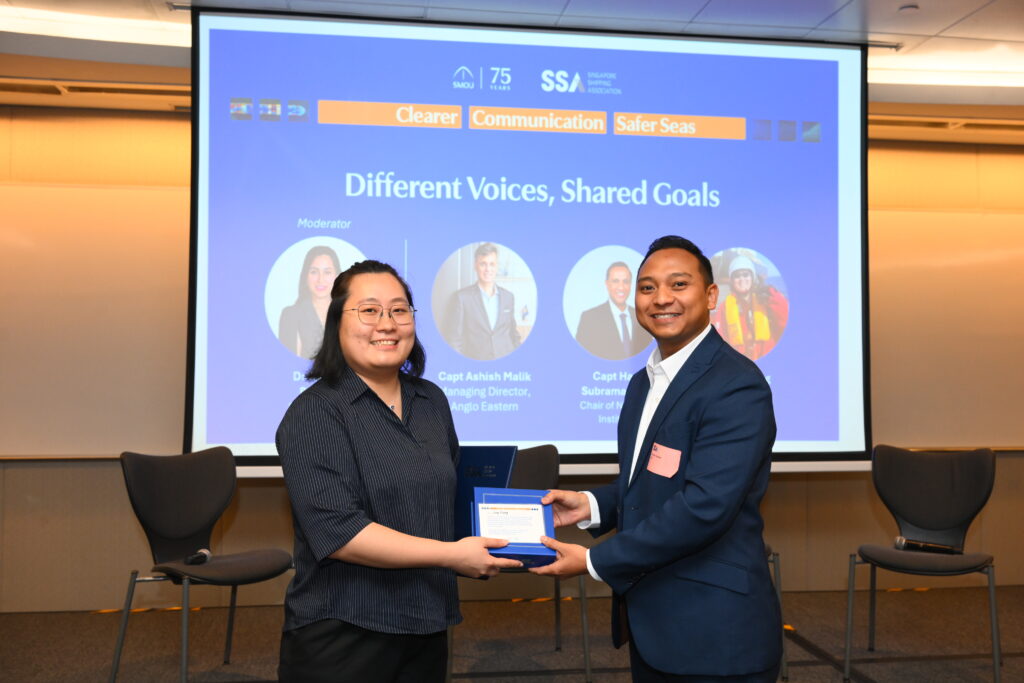
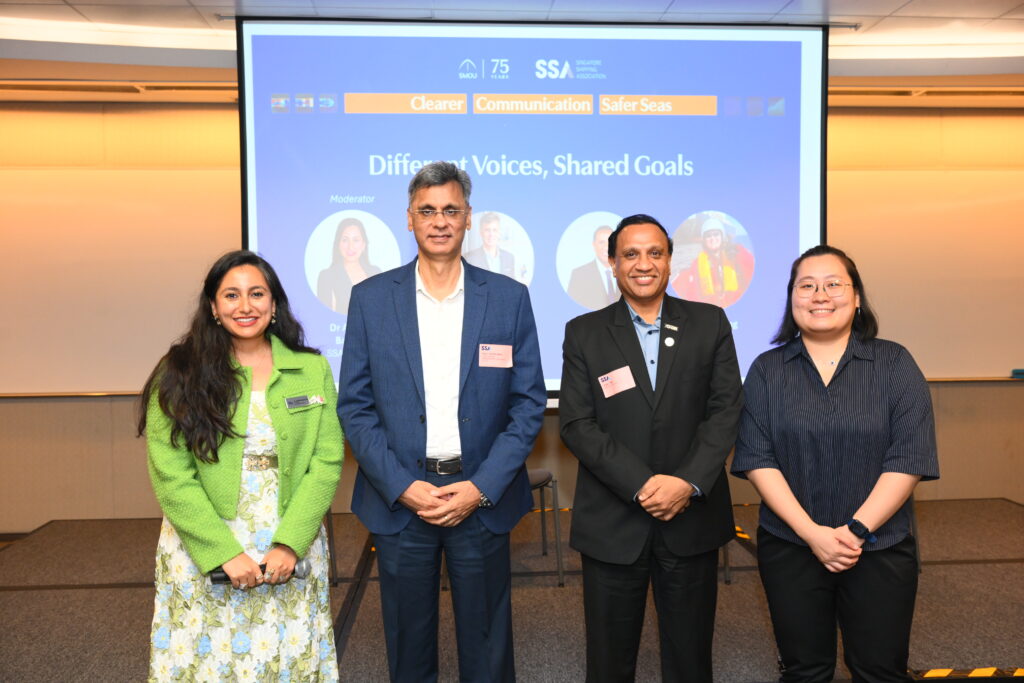
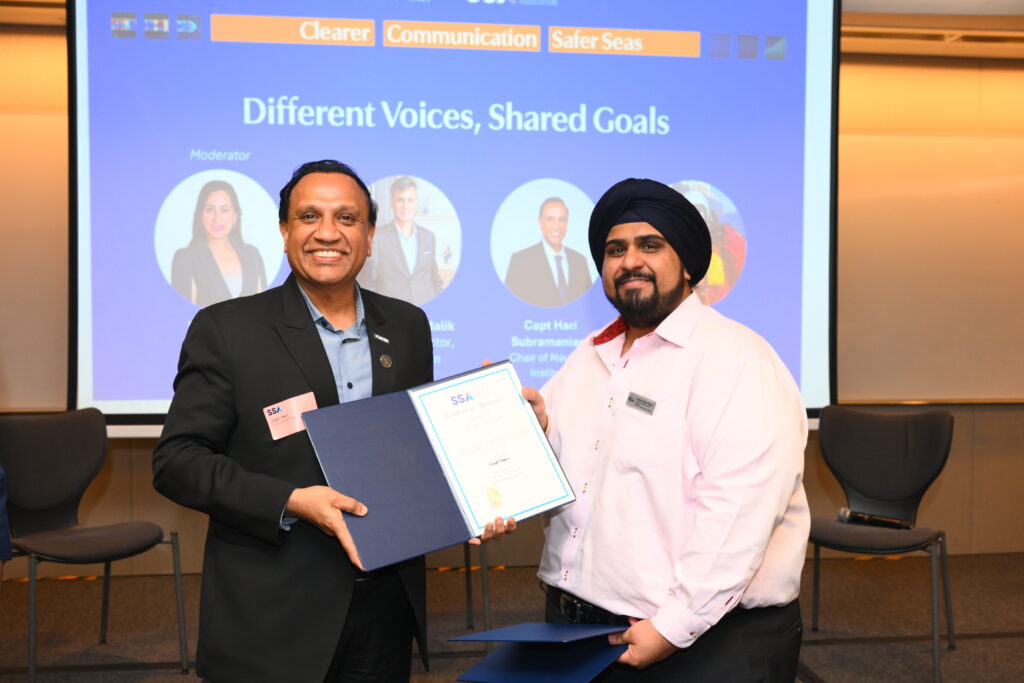
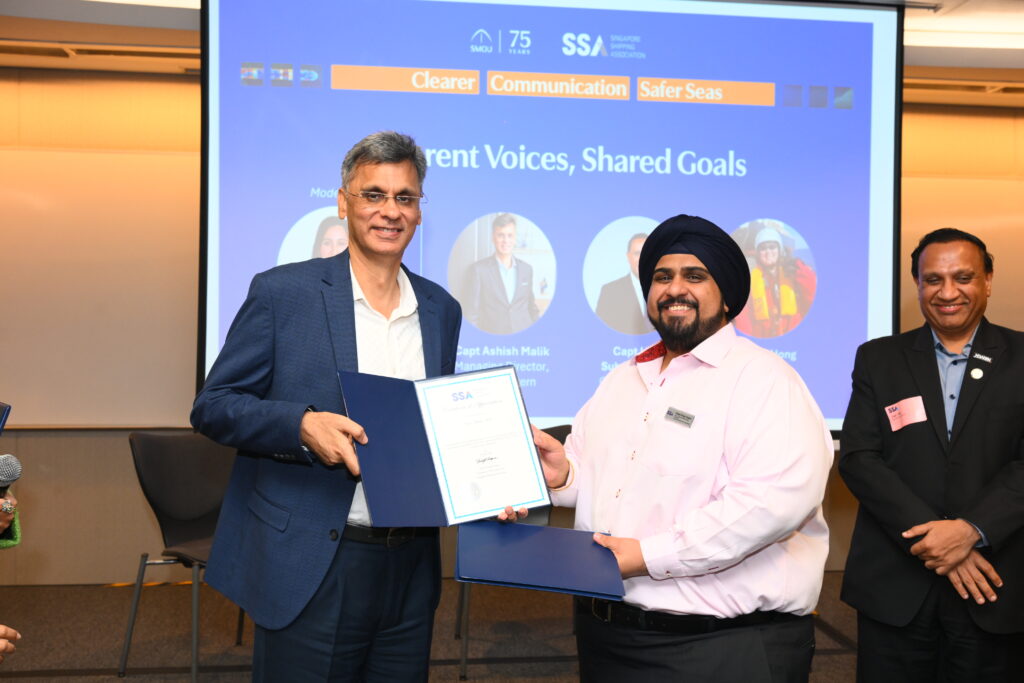
The first panel, moderated by Dr Akanksha Batura Pai, SSA Councillor, featured Capt Ashish Malik, Managing Director of Anglo-Eastern Singapore; Capt Hari Subramaniam, Chief Commercial Officer for Marine, Cargo and Logistics at Howden and Chair of The Nautical Institute Singapore; and Yin Jing Hong, 4th Engineer and SMOU representative. 

A key point raised early was this. Communication breakdowns are not usually about a lack of intent. More often, they stem from a lack of understanding. 

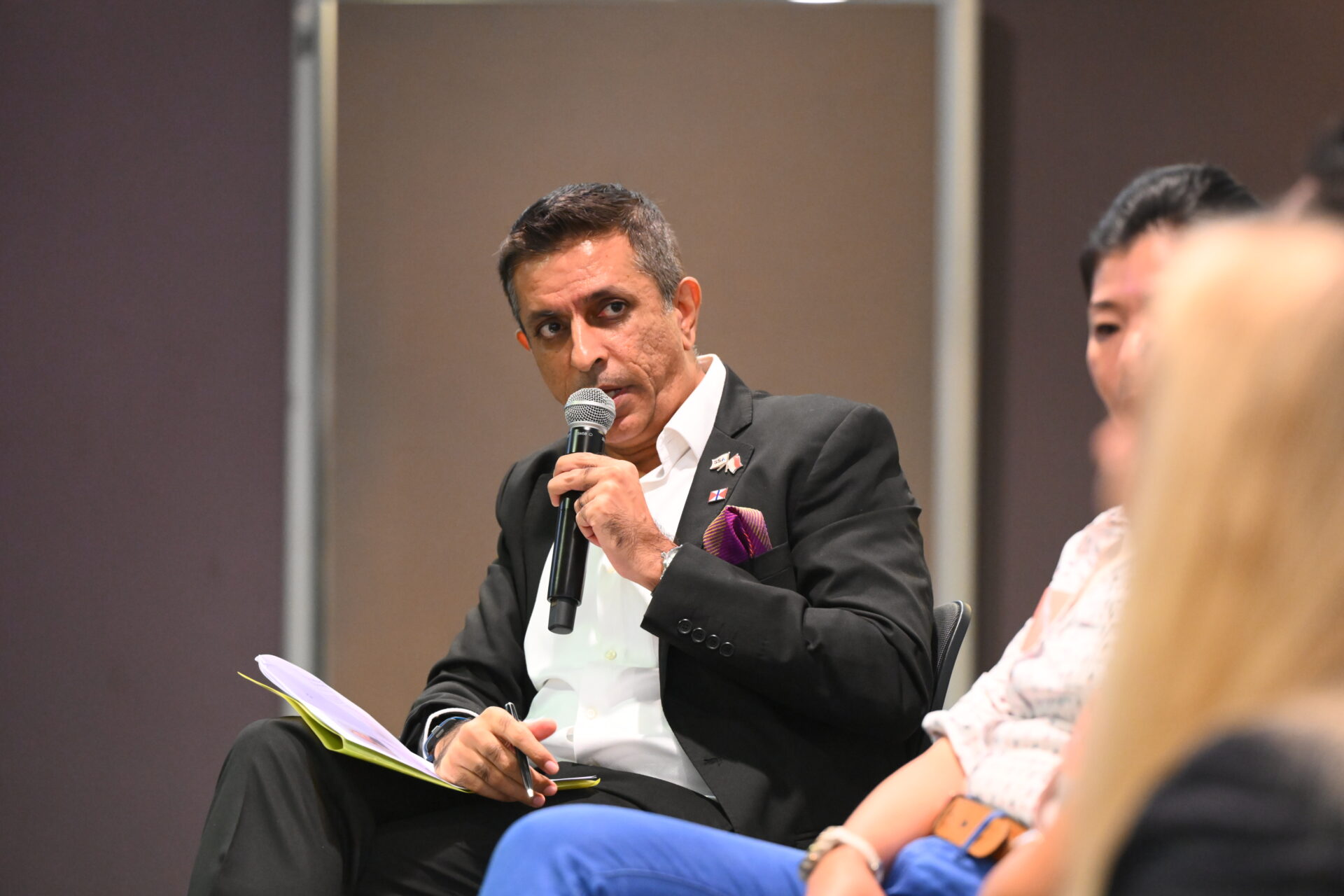
Capt Ashish Malik shared that ship and shore teams are often working towards the same goals, but under very different pressures. From one side, a message may seem clear and reasonable. From the other, it may land very differently. The gap is not in the message itself, but in the context behind it. 

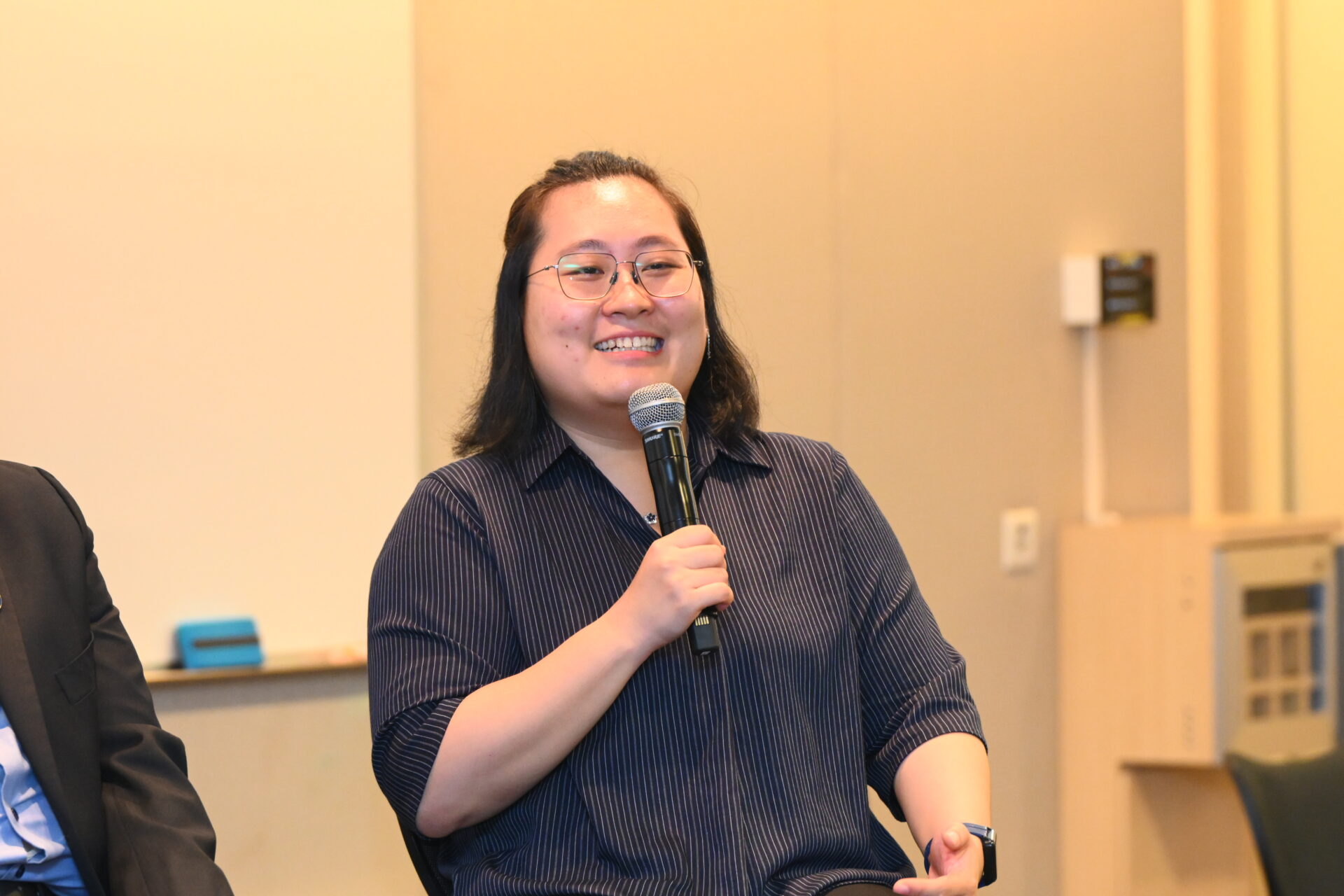
Yin Jing Hong spoke openly from a seafarer’s perspective. She pointed out that communication from shore can sometimes feel supportive, especially when it comes to career development. But in reality, expectations such as promotion requirements or checklists can also become a source of pressure when there is limited room to progress. 

She also highlighted something many younger seafarers can relate to. In high-pressure environments, or when you are the only one who feels different, whether by rank, experience or gender, speaking up is not always easy. A single dismissive response can be enough to make someone hesitate the next time. Over time, that hesitation turns into silence. 

Capt Hari Subramaniam brought in a wider perspective. He acknowledged that hierarchy is necessary in maritime. Clear command structures are critical for safety. But leadership cannot rely on authority alone. It has to be balanced with empathy and awareness of what is happening onboard. As he put it, being kind does not mean being weak. 


By the end of the panel, one message stood out. Psychological safety is not built through policies. It is built through daily interactions. People need to feel heard, respected and taken seriously. 


Safety First, Operations Second: Enabling Decisions That Matter 

The second panel, moderated by Capt Kunal Nakra, General Manager, Safety Governance and Performance at Swire Shipping and SSA Councillor, featured Yukie Teo, President of WISTA Singapore; Usha V, Fleet Personnel Manager at IMC Ship Services; Lisa Holum, Chief Operating Officer Asia at OSM Thome; and Capt Hisyam Haron, Master Mariner and SMOU representative. 

The focus shifted from communication to decision-making under pressure. 

Capt Hisyam Haron grounded the discussion in reality. Identifying risk is rarely the problem. Most seafarers already know what can go wrong. The difficulty comes when decisions have to be made under constraints such as manpower shortages, fatigue and tight schedules. 

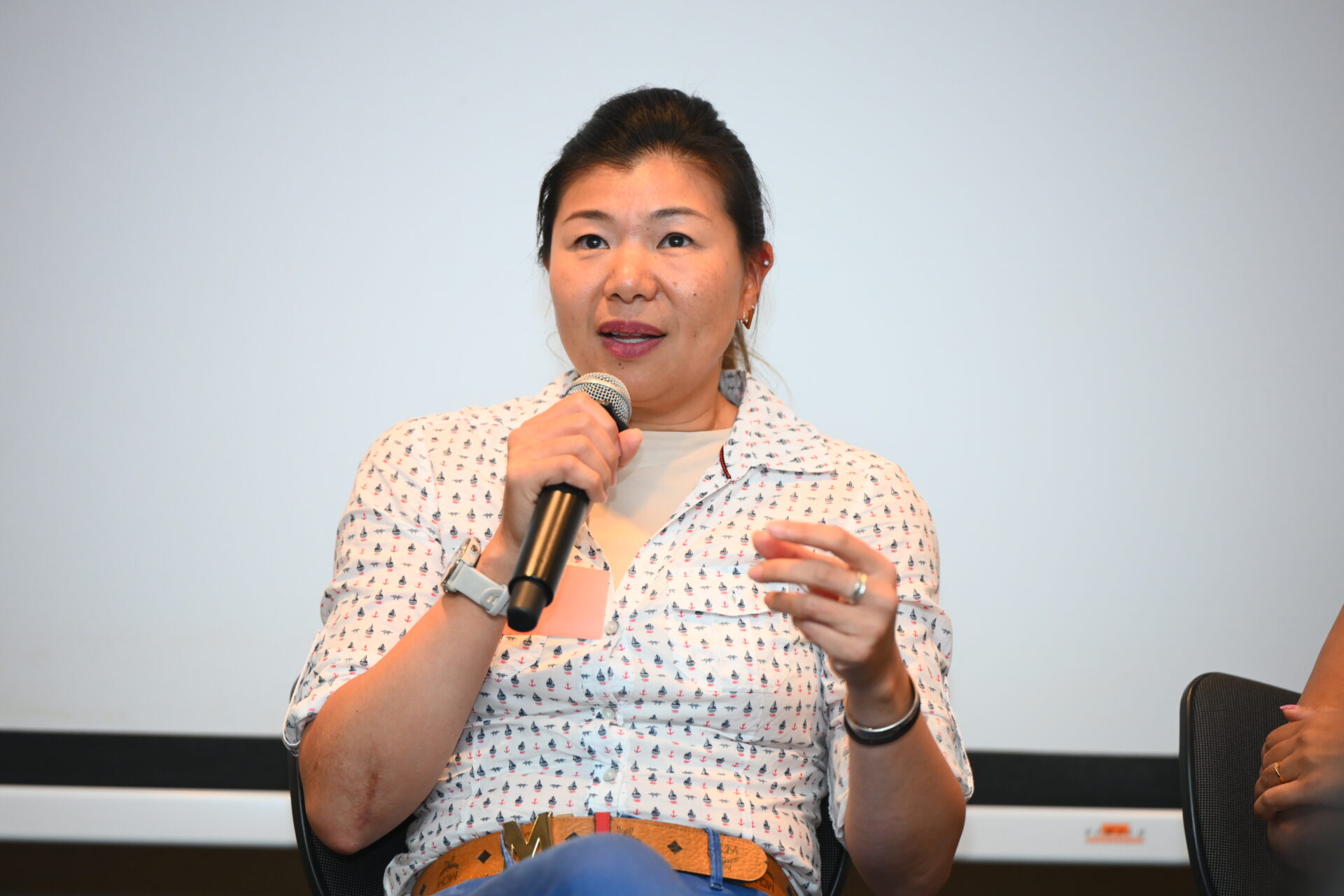
Lisa Holum shared how ship and shore perspectives can diverge. Onboard teams may feel that operations are being prioritised. At the same time, shore teams are often equally focused on risk and consequences. The challenge is not a difference in priorities, but a difference in how those priorities is experienced and communicated. 

Usha V shared a practical example that resonated with many in the room. When feedback came in that a vessel needed additional support, her organisation made the decision to deploy an extra officer, even though it meant absorbing the cost. The outcome went beyond immediate relief. The crew felt supported, and performance remained steady over multiple charters. 

A recurring theme was consistency. Seafarers pay close attention to how organisations respond when issues arise. If the response shifts towards blame, trust drops quickly. If leaders respond fairly and prioritise safety, confidence builds over time. 

Yukie Teo added another important point. Individual decisions alone are not enough. If the wider system does not support those decisions, efforts will not hold. Trust has to be reinforced across the organisation. 

From Speaking Up to Acting with Confidence

One of the strongest threads across both panels was the gap between knowing and acting. 

People in maritime are generally well trained. They know what the right decision looks like. But in practice, there is hesitation. That hesitation can come from hierarchy, perceived expectations or uncertainty about whether support will be there. 

The discussion made it clear that the real test of a safety culture is not whether someone can raise a concern. It is whether they believe they will be backed when they act on it. 

Lisa Holum put it simply. Instead of asking who is responsible, organisations should ask what happened and why. That shift in approach changes how people respond to incidents. It encourages learning instead of defensiveness. 

There is also a leadership  responsibility here. Captains and officers need to know that if they make a call in the interest of safety, the organisation stands with them. That assurance makes it easier to make the right call, even when it is difficult. 

Leadership, Inclusion, and the Human Factor

While the focus was on safety, the discussion also reflected the broader purpose of International Women’s Day in maritime. 

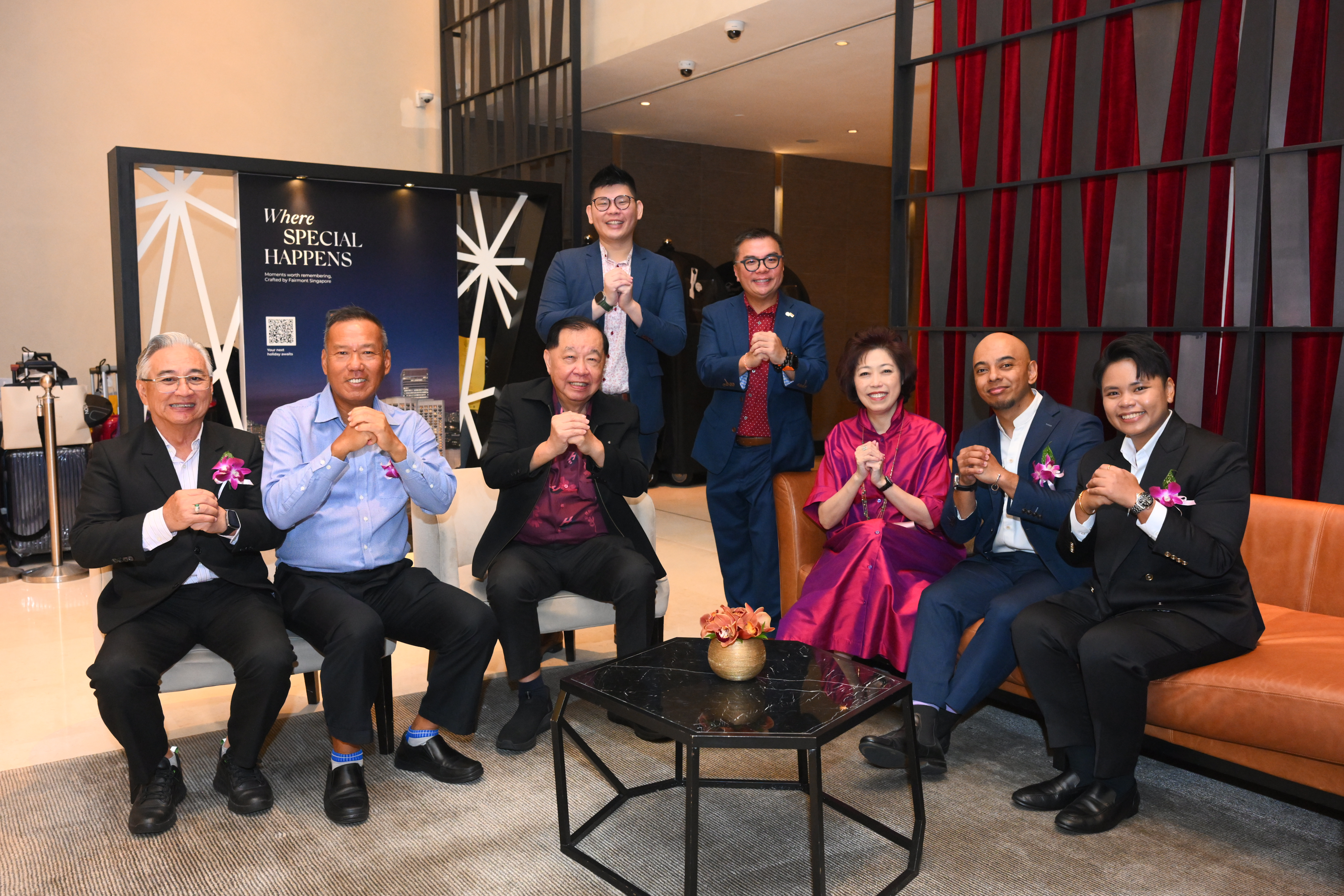
In her opening remarks, Elizabeth Yeo from SMOU noted that women in maritime are no longer exceptions. They are part of the industry at every level, contributing, leading and shaping its future. 

At the same time, inclusion is not just about representation. It is about whether people feel they belong. 

Being in the minority is not limited to gender. It can apply to younger crew, those new to the vessel, or anyone who feels out of place. In these situations, the culture onboard determines whether someone speaks up or stays quiet. 

Key Takeaways: From Dialogue to Practice

Several clear takeaways emerged from the session: 

Take the time to listen and understand different perspectives 
 
Show support through actions, not just words 
 
Be consistent in how decisions and issues are handled 
 
Encourage questions, especially from those who are quieter 
 
Balance authority with empathy in leadership 
 
Build a culture where individuals feel responsible and supported 


A Shared Responsibility

The discussions reinforced a simple but important truth. Safer seas are built by people. 

Systems and procedures matter, but they are only as effective as the culture behind them. Communication, trust and inclusion shape whether risks are raised early, whether decisions are made with confidence, and whether teams work well together under pressure. 

Ship and shore have always had to work closely together. What this dialogue highlighted is the need to go further. Alignment is not just about processes. It is about how people engage with one another day to day. 

Because when people feel heard and supported, communication improves. And when communication improves, safety follows.