Thank you for subscribing to Seavoices’ updates!

Please take a moment to check your email inbox and confirm your subscription to start receiving the latest news and updates.

07 May 2026
5 mins
From Presence to Belonging: Why Inclusion in Maritime is Strategy, Not Charity 

It is encouraging to see women increasingly establishing themselves in the maritime industry, traditionally dominated by men, but this is only the start. Yet, genuine progress cannot be measured by presence alone. True advancement lies in something much deeper — belonging.

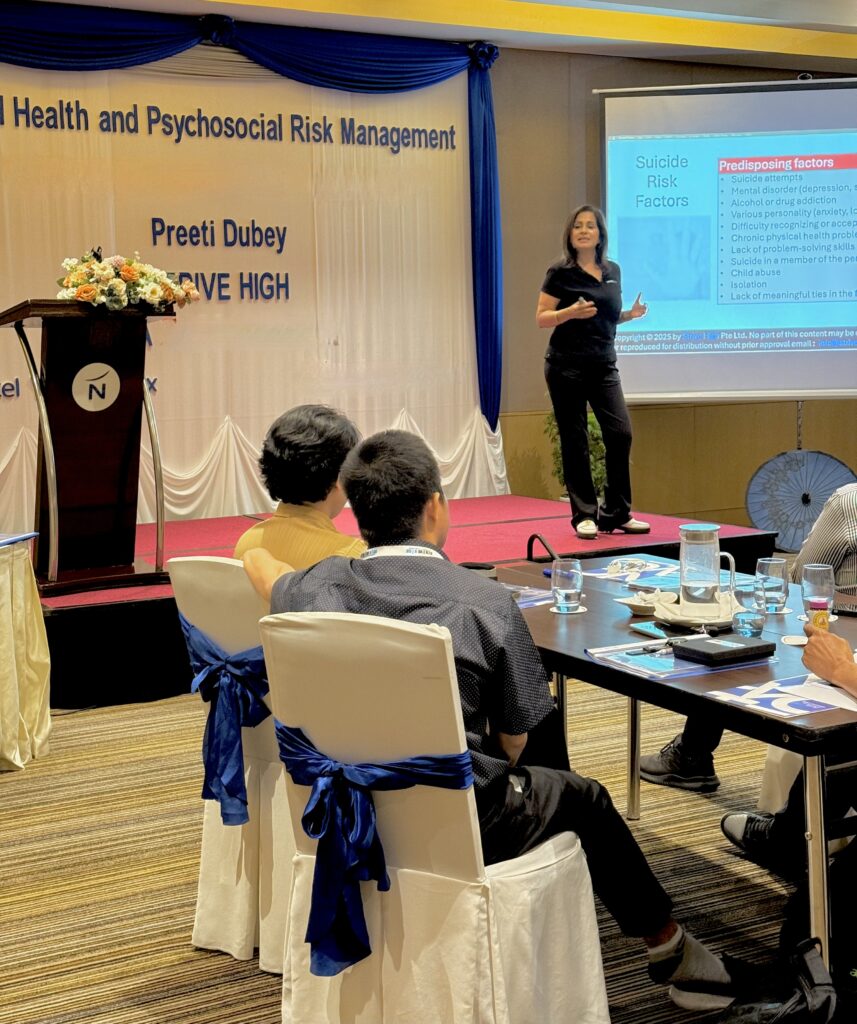
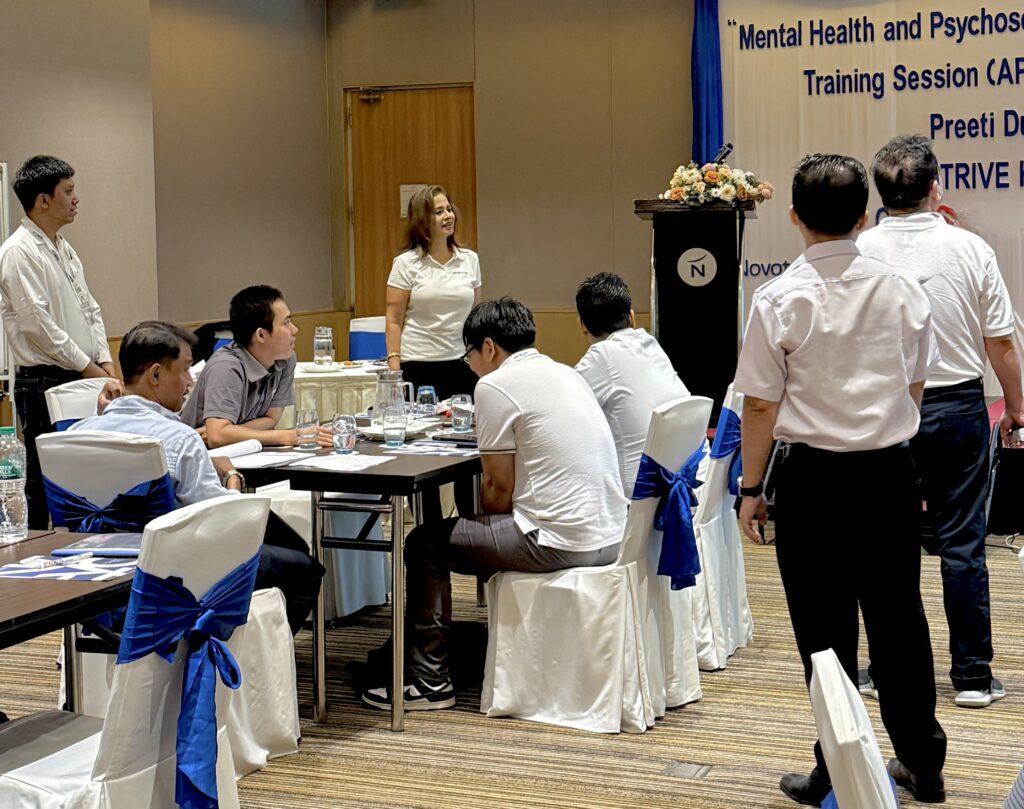
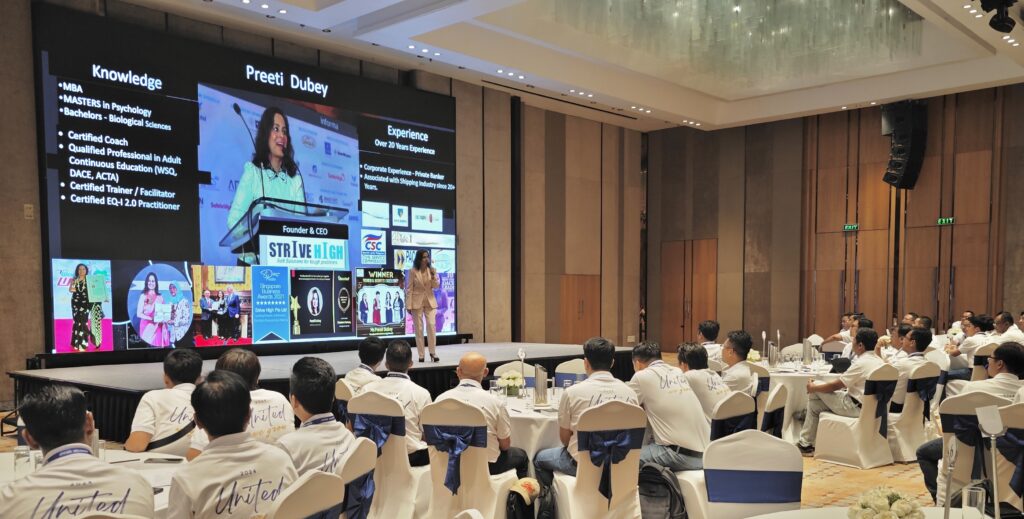
Ms Preeti Dubey, CEO and founder of Strive High Pte Ltd, a globally recognised company specialising in soft skills training and consultancy services, understands this distinction firsthand. As an organisational development professional deeply involved in the maritime sector, Preeti has trained over 10,000 seafarers, including officers, ratings, and shore-based managers from more than 15 countries.

Presence means a woman is there. 

Belonging means she no longer has to fight every day to justify her being there.”

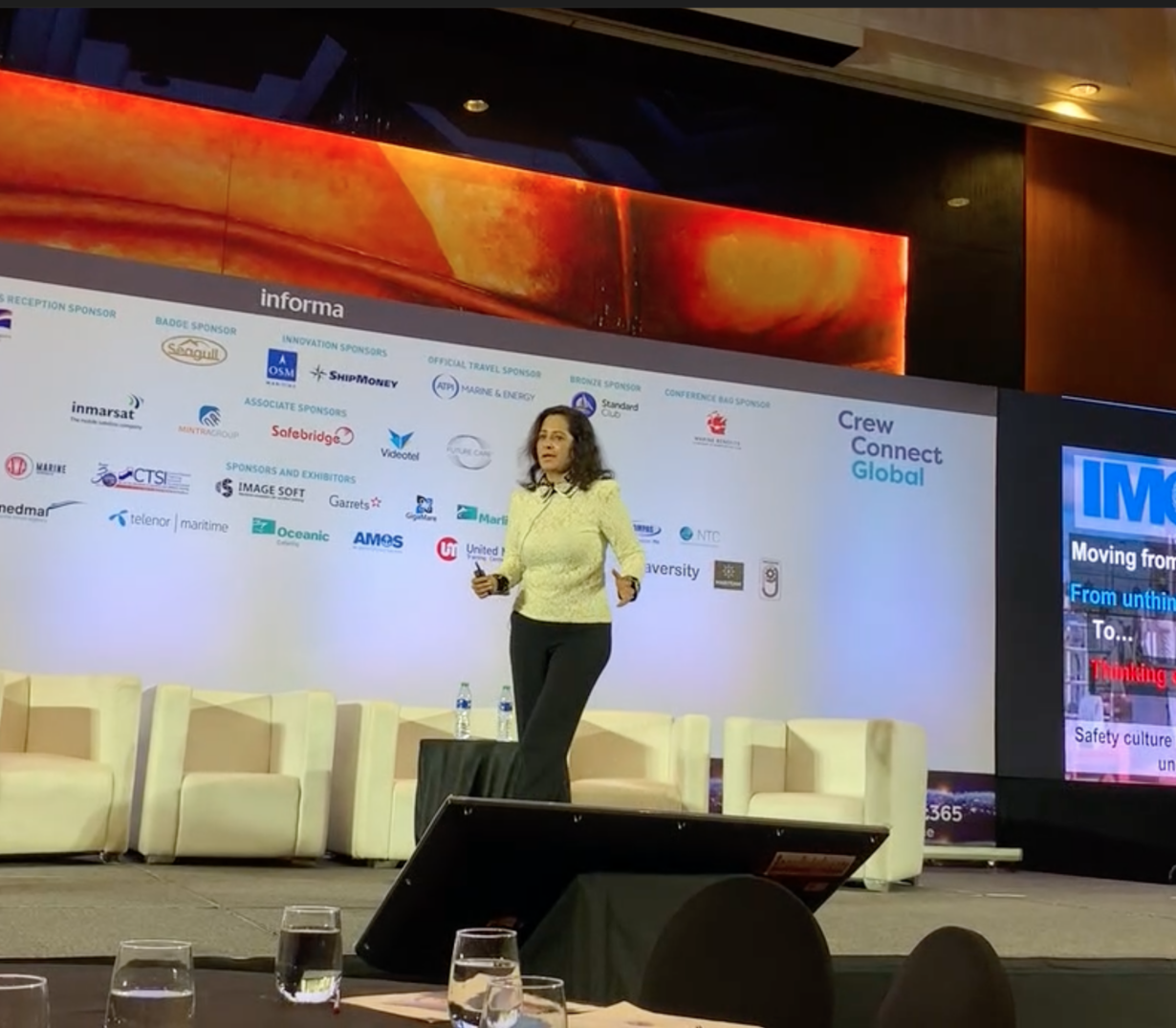
Pic Crew Connect

This shift from presence to authentic belonging is where the industrys greatest gains lie. In line with the International Womens Day 2026 theme, “Give to Gain,” Preeti shares a critical truth for the maritime sector: “When organisations invest in genuine belonging for women, they dont just do what is right. What they gain is a stronger, safer, and more sustainable future.

The Reality of "Presence" Without Belonging

IMG_0980

The statistics surrounding women in maritime are sobering. Citing the latest IMO–WISTA Women in Maritime Survey, Preeti notes that women make up under 19% of the maritime workforce sampled and only about 1% of the total number of seafarers employed by surveyed organisations. 

“An industry that is already struggling with talent attraction and retention cannot afford to overlook half the population,” she says.

Moreover, simply placing women on ships is insufficient if the environment remains hostile. The data backs up this lived experience. A WISTA survey of 1,128 women seafarers across 78 countries found the following:

  • 60% reported experiencing gender-based discrimination on board.
  • 66% agreed that male employees had harassed or intimidated female colleagues.
  • 25% stated that physical and sexual harassment are common in shipping.

A 2024 report by the All Aboard Alliance and TURTLE revealed that 75% of female engine cadets reported being rejected when applying for positions, compared to lower rejection rates among male cadets.

Unsurprisingly, the Seafarers Happiness Index (Q4 2025) reported that female seafarers scored lower on happiness (7.09) compared to their male counterparts (7.45).

Preeti highlights the core issue: Too often, women are expected to adjust themselves to an environment designed around men, instead of the organisation asking what must change structurally and culturally to support them properly. That is where the real gap lies.”

She learned this lesson early in her career. Despite contributing to leadership and culture development, Preeti is sometimes still dismissed as someone who does some wellbeing stuff.

“That tells me the journey is far from over. True belonging means a womans expertise is not minimised, her work is not boxed in, and her presence is not treated as secondary. It means being recognised as credible, capable, and valuable without having to constantly prove you deserve your place.”

The “Give to Gain” Imperative

With Drewrys 2023/24 Manning Annual Review reporting seafarer shortages at a 17-year high, an industry struggling to attract talent can no longer afford to view inclusion as a “nice to have.”

So, what does it mean for the maritime industry to truly “give” in order to “gain”?

Preeti observes that maritime organisations are eager to gain the immense value women bring—professionalism, diverse perspectives, resilience, and improved communication. However, they often hesitate to give the foundational support, preparation, and cultural change required to make it work.

According to her, real belonging requires intentional investment. To reap the rewards, the industry must commit to giving in four key areas:

Giving the Right Tools: Providing gender-appropriate PPE, safe accommodation, and dedicated facilities so women can work comfortably—issues still cited as recurring pain points.

Giving a Prepared Culture: Equipping the entire crew, particularly male seafarers, for respectful integration. Many men are not hostile, but unprepared. With new IMO STCW amendments and MLC revisions focusing on preventing harassment, proactive training is no longer optional. Structural requirements alone do not change culture.

Giving Clear Support Systems: Implementing credible mentoring, confidential reporting channels, and bystander intervention training so everyone shares the responsibility for a respectful environment.

Giving Leadership Priority: Leaders must regard culture as a key safety and performance issue. This means championing psychological safety and well-being, which is critical given Gards 2025 data linking stress to 8 of the 10 most common crew illnesses.

Inclusion is not a side issue,” Preeti asserts. It is also not a charitable act. “It is a business imperative, a leadership imperative, and a human imperative. The companies and institutions that understand this early will not only do the right thing, but they will also be the ones best positioned to lead the future of maritime.”

The Gain: A Stronger Future for Maritime

When an organisation embraces the “Give to Gain” philosophy, the entire workplace undergoes a transformation. Preetis own breakthrough came when SMOU evaluated her for her ability, not her gender. They provided me with a platform during the pandemic that opened doors throughout the industry. That spirit of inclusion, championed by leaders like Sister Mary Liew, made me feel I truly belonged. Its this same principle—seeing and valuing potential—that the entire sector must adopt.”

Research consistently shows that more inclusive teams improve safety culture, morale, and staff retention. For male seafarers, it fosters a culture that values professional humanity over strict toughness, supporting mental health.

So, I do not see inclusion as a diversity gesture. I see it as a culture strategy, a capability strategy, and a sustainability strategy,” Preeti says. When we invest in women, we are not just helping women. We are helping maritime become safer, wiser, more balanced, and more human.”

As the sector grapples with rising mental health concerns, safety risks, and retention challenges, belonging remains at the heart of the solution.

Preeti emphasises, “Maritime cannot solve tomorrow’s challenges with yesterday’s mindset. If the industry wants a stronger future, women cannot remain on the margins of opportunity.”