Thank you for subscribing to Seavoices’ updates!

Please take a moment to check your email inbox and confirm your subscription to start receiving the latest news and updates.

19 Aug 2026
5 mins
Sean Lin: Sailing on Frontier Technologies

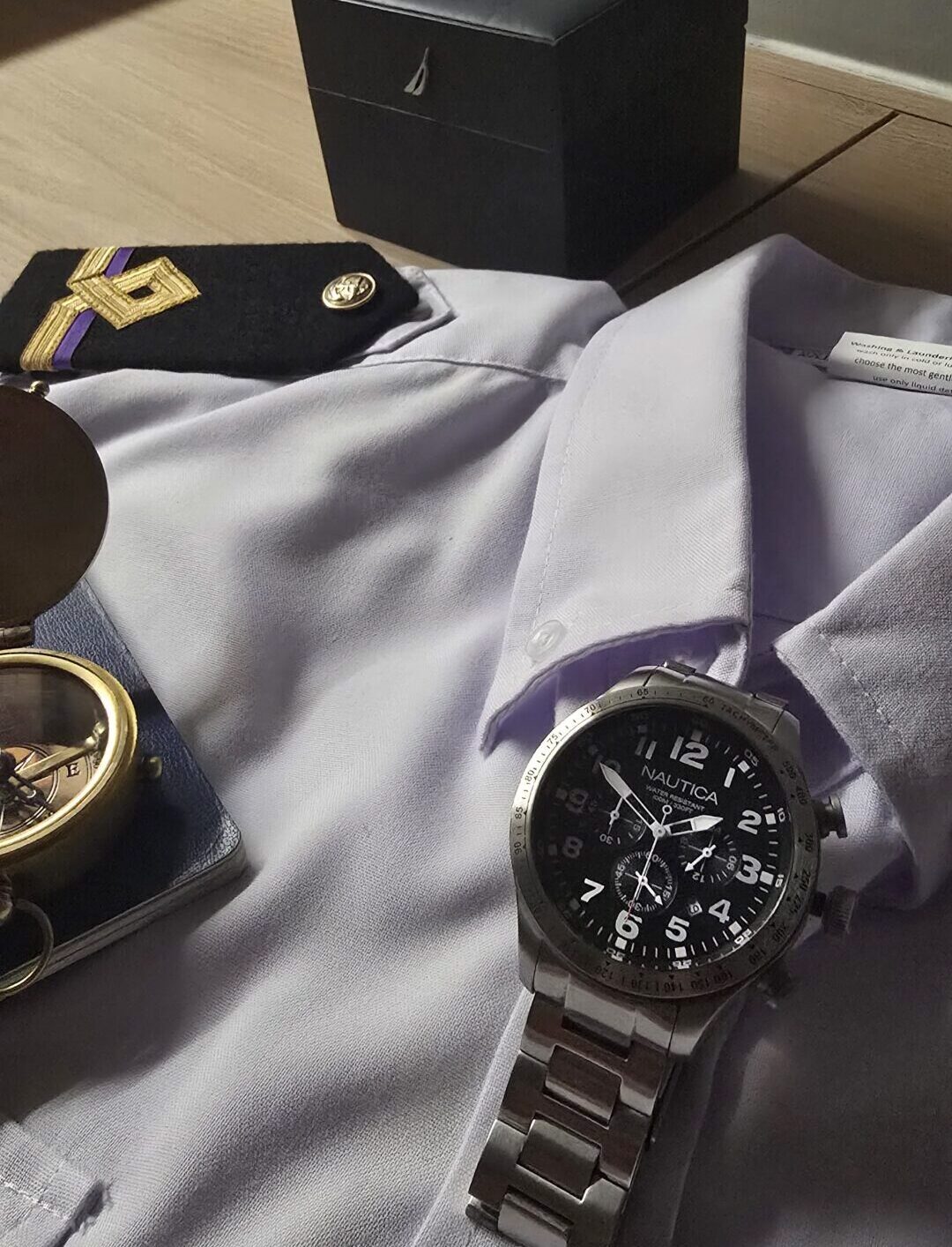
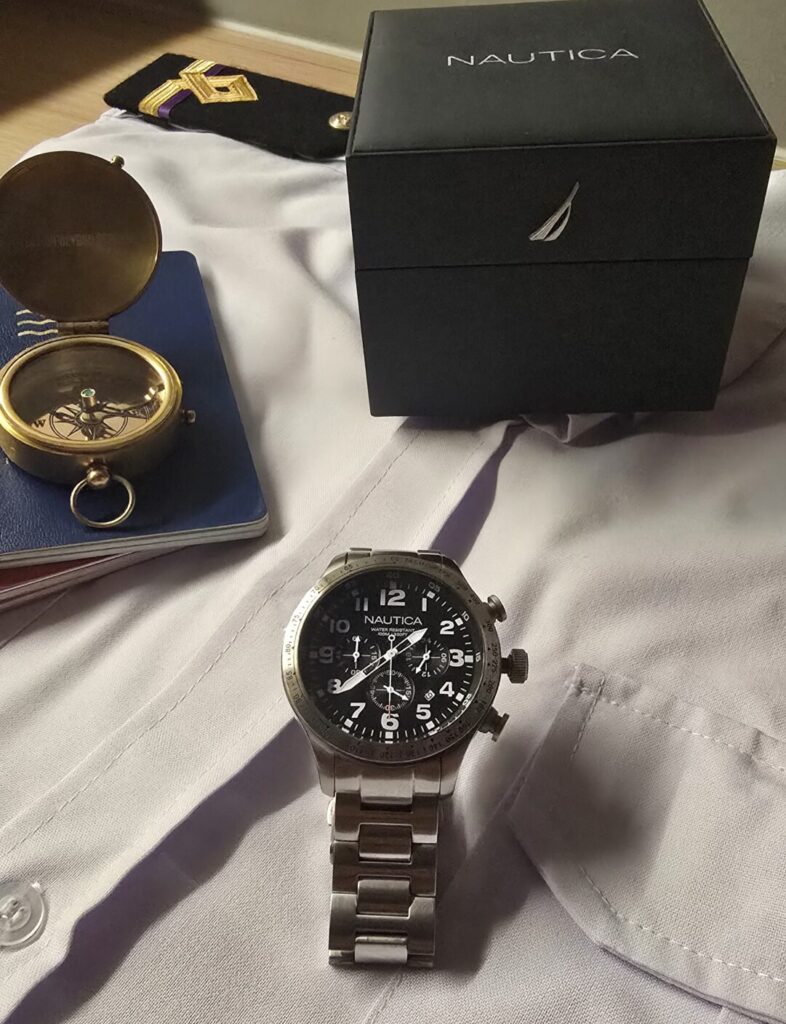
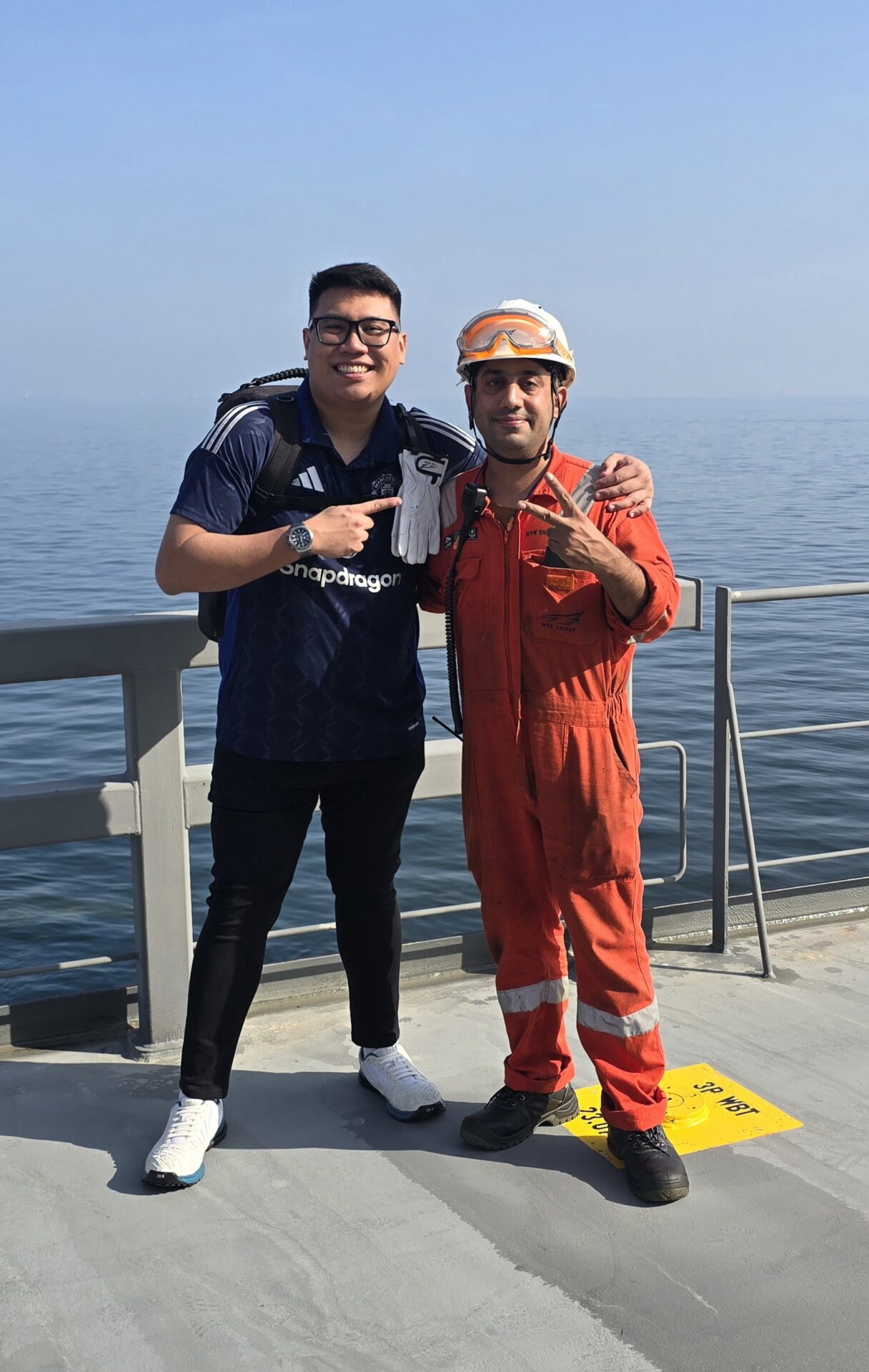
The watch Sean Lin wears at sea is more than a timepiece. It carries a legacy.  

Passed down from his father, a former deck officer who spent years sailing with Neptune Orient Lines, the watch was presented as a commemorative gift for his father’s 20 years of SMOU membership. Before Sean began his own cadetship, the watch was entrusted to him. 

Ever since then, its been my sailing watch,” Sean says. I bring it on every vessel.” 

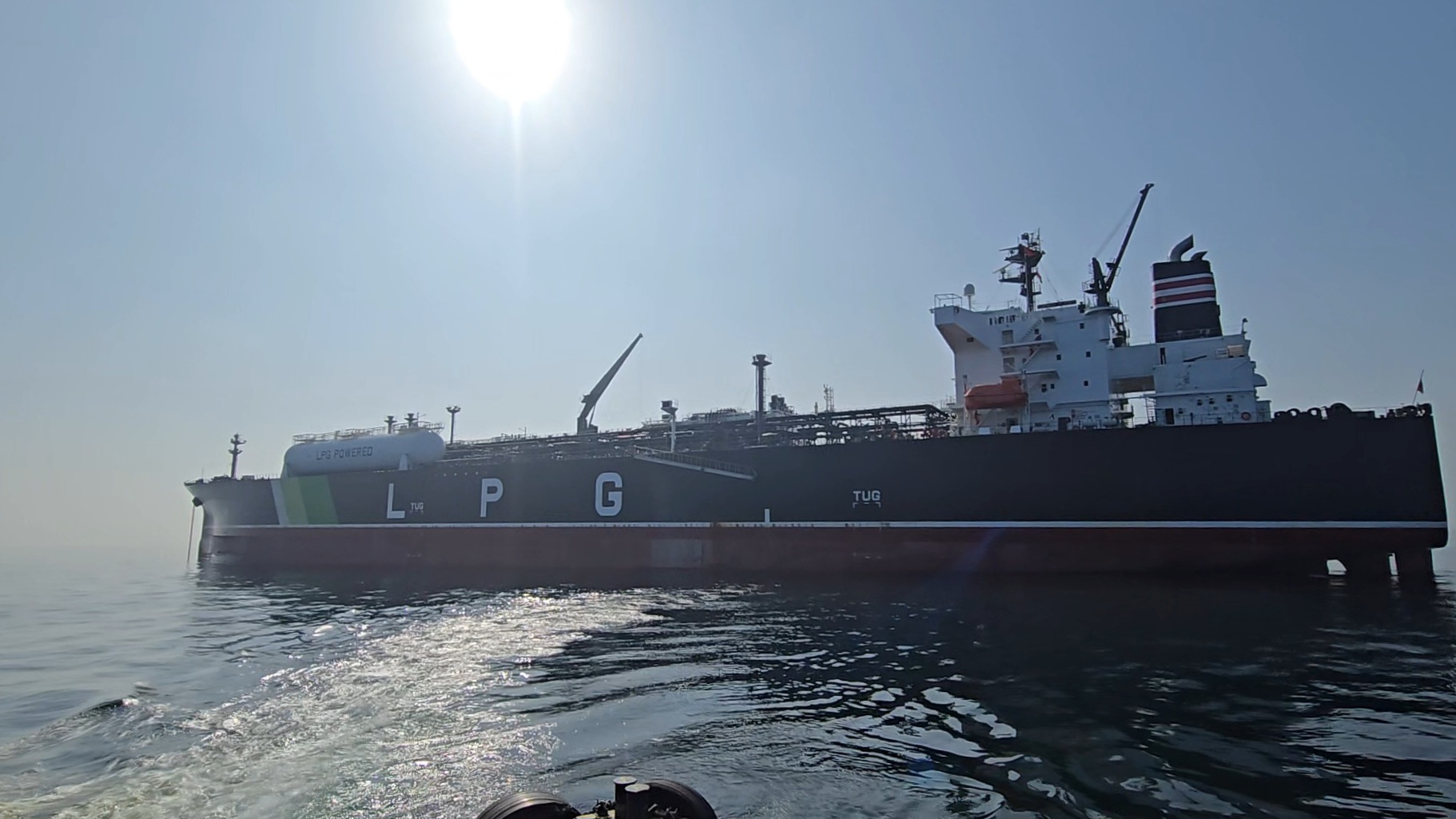
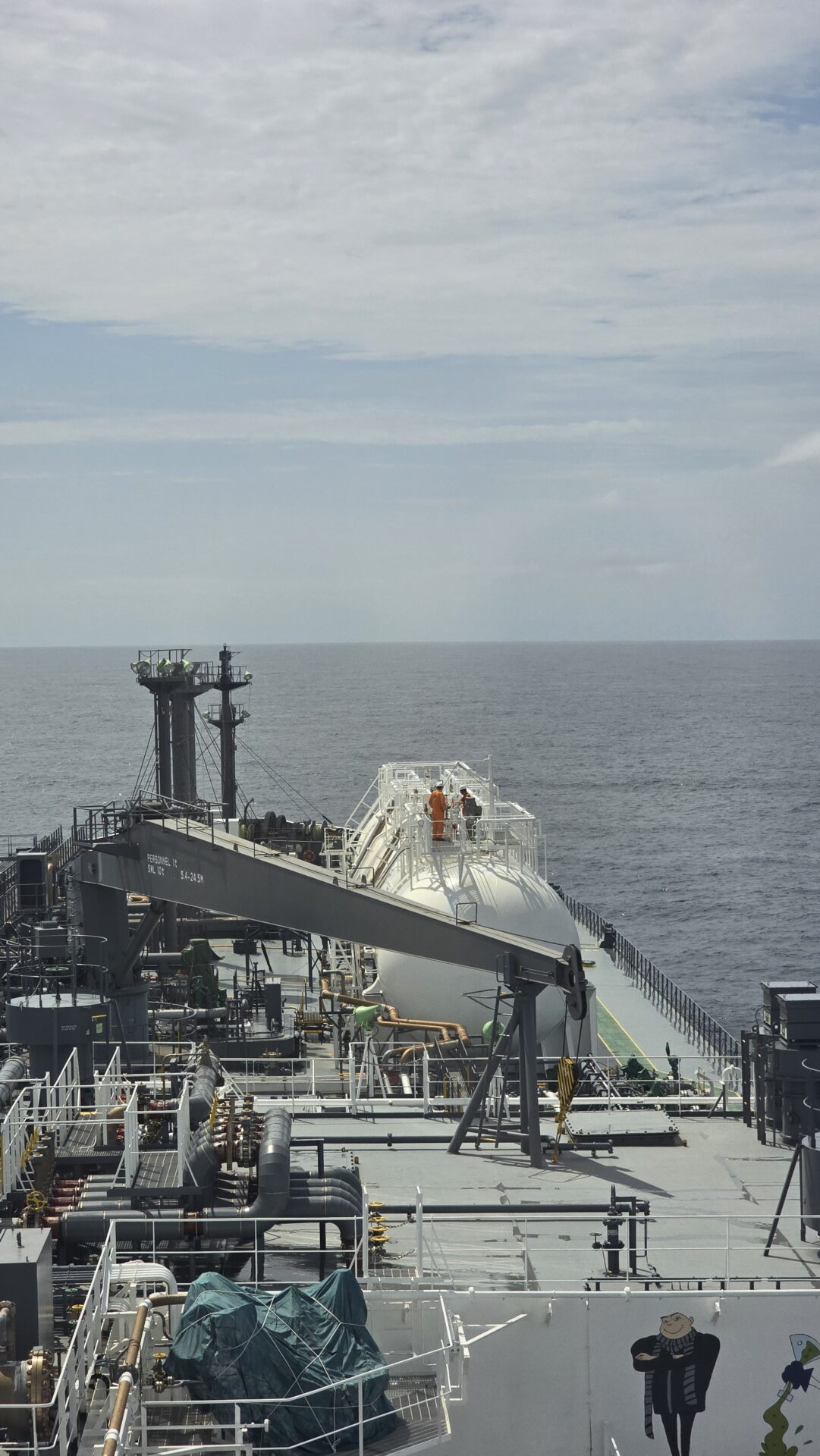
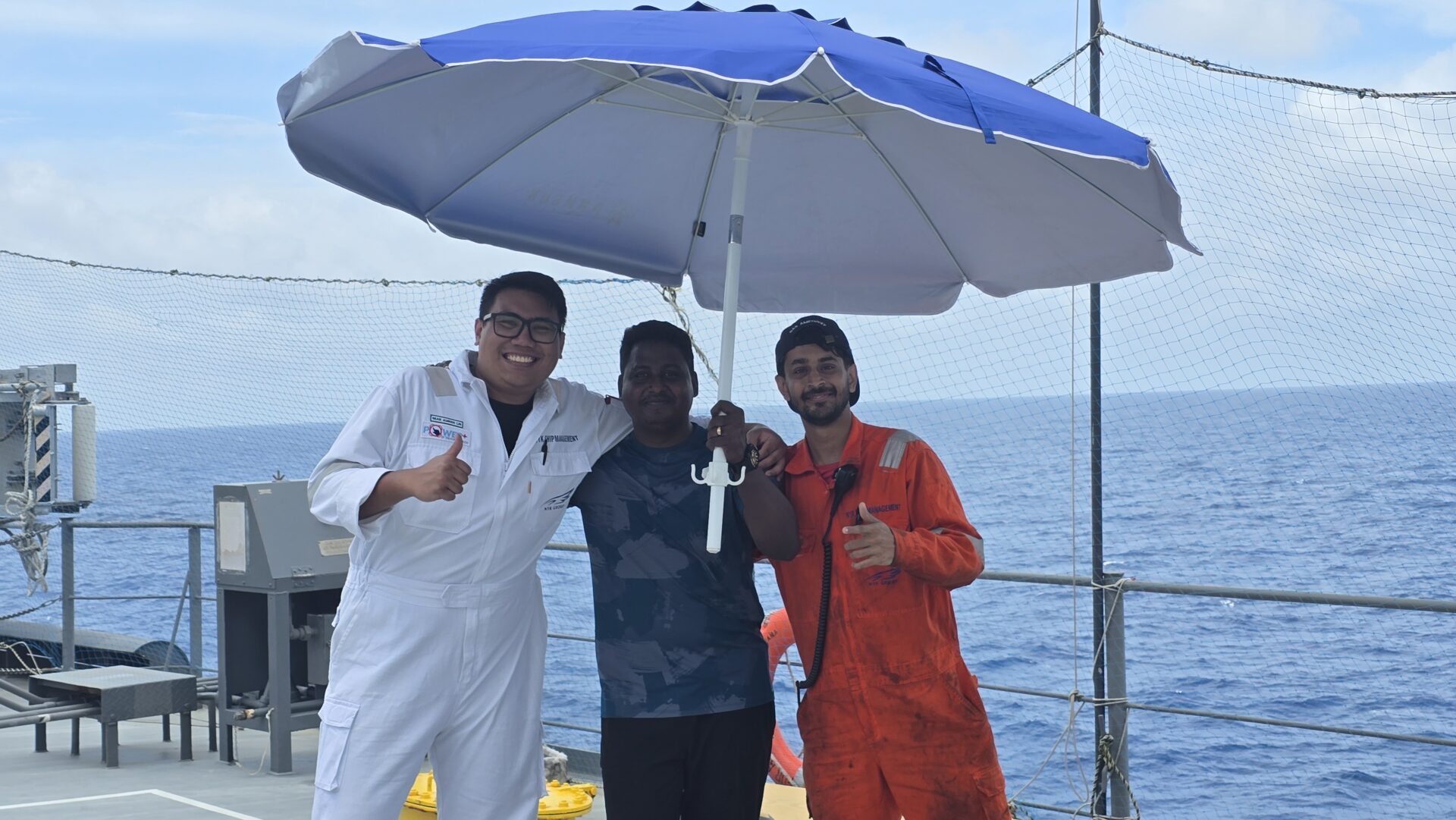
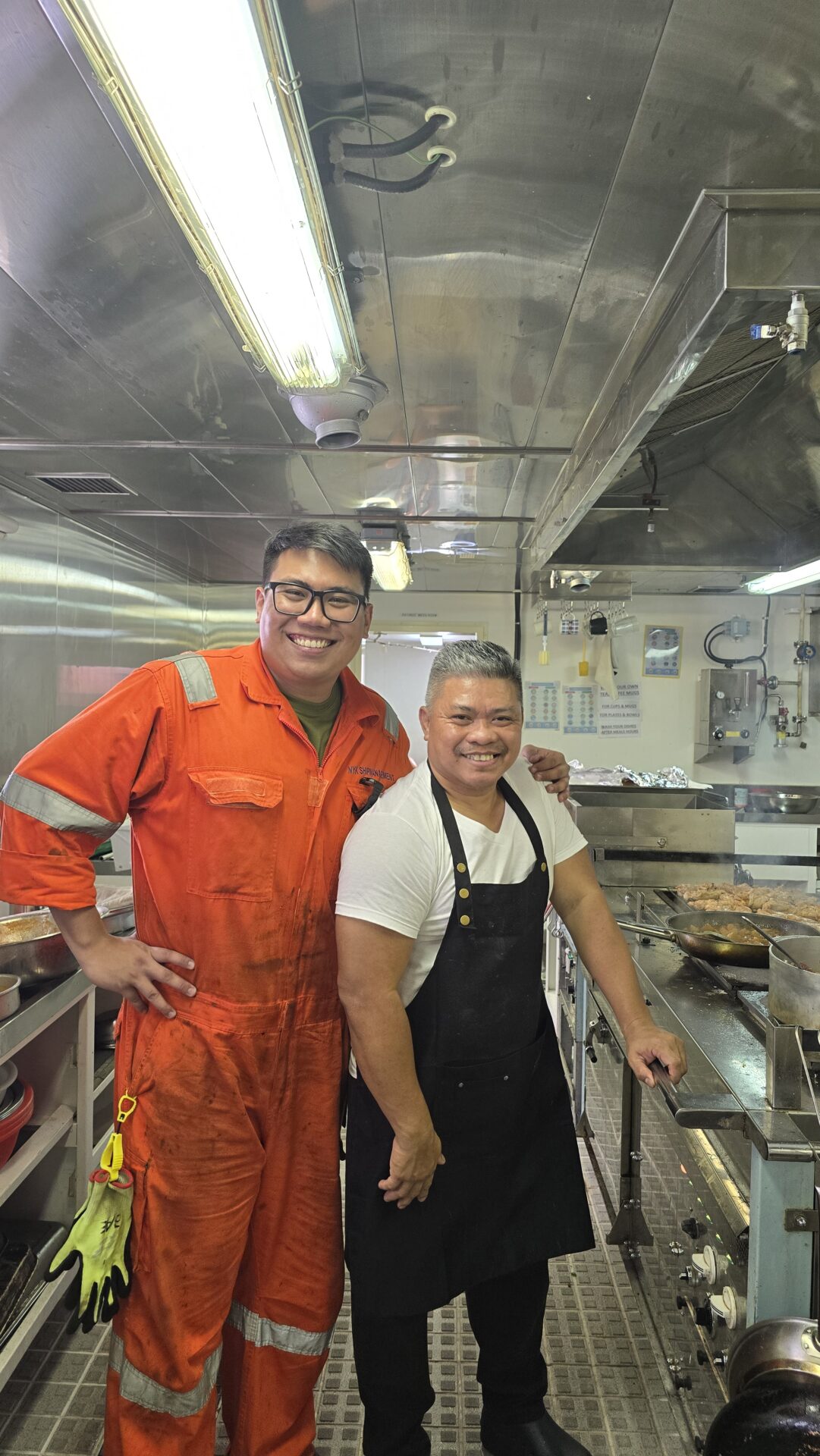
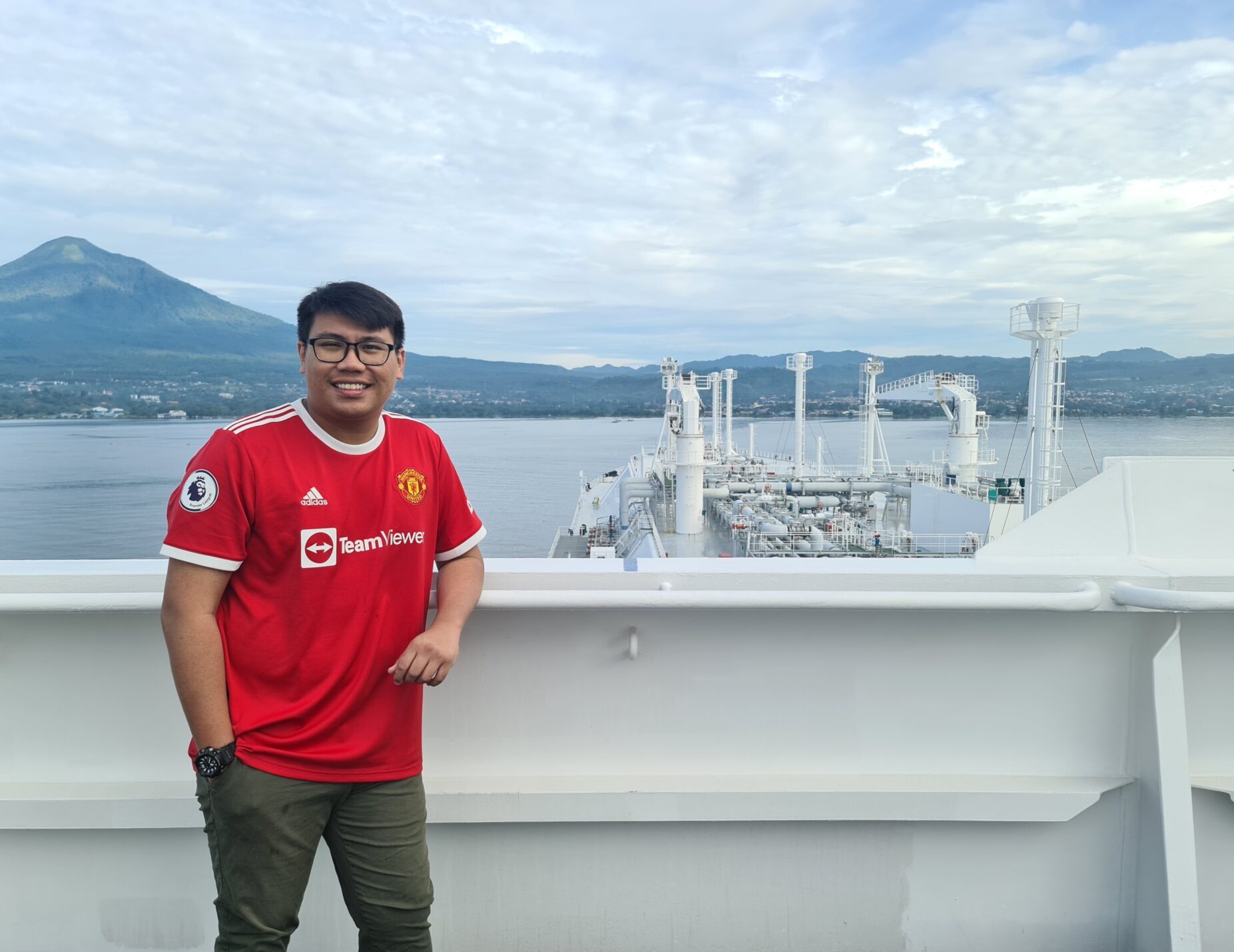
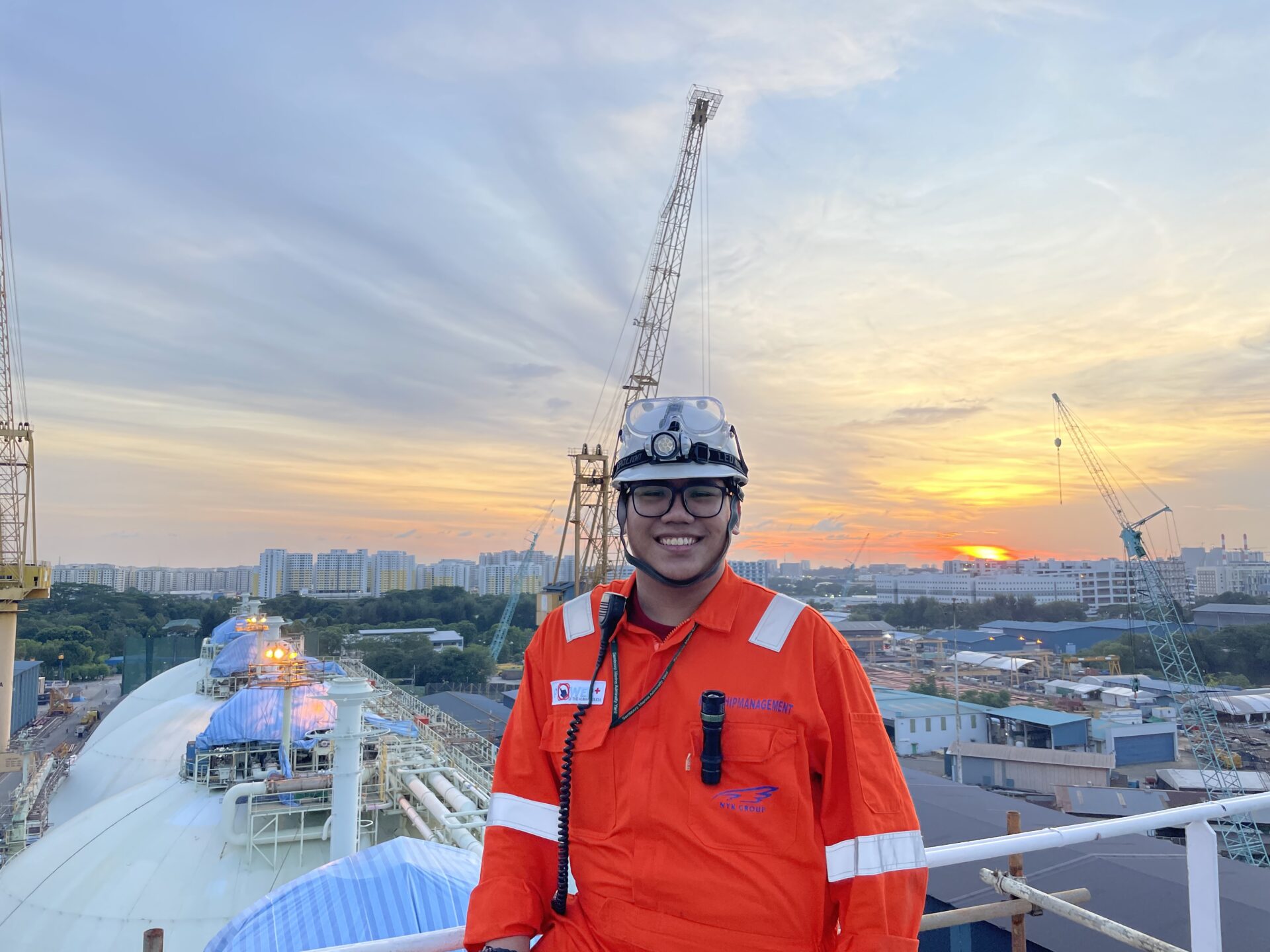
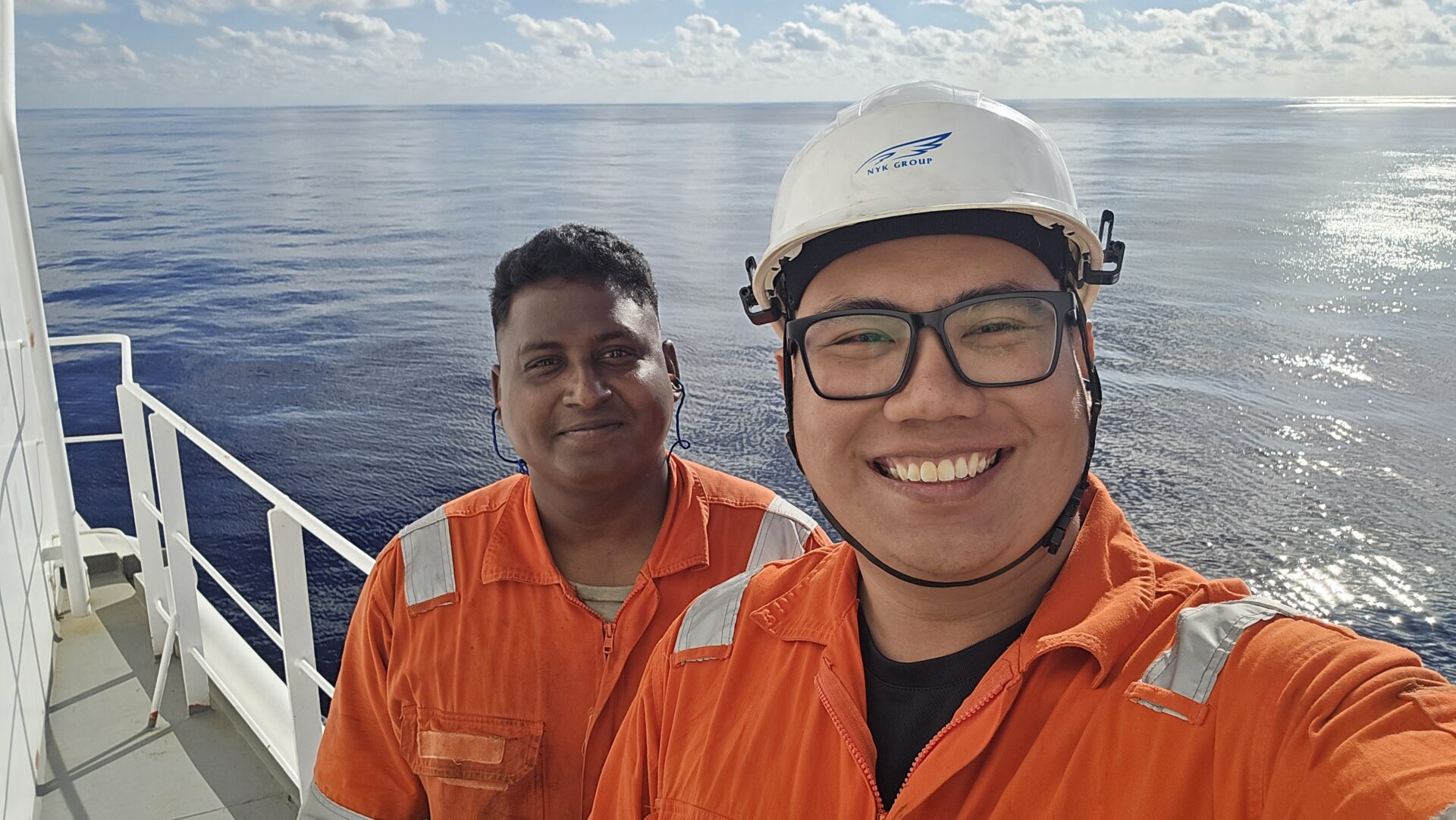
At 26, Sean is now a 3rd Assistant Engineer sailing onboard modern gas carriers, working with dual-fuel systems and alternative fuel technologies.

I grew up around seafaring stories,” he says. My grandfather sailed. My dad sailed. So shipping always felt normal to me.” 

Sean’s grandfather worked as a radio officer on offshore vessels decades ago while his father sailed through the 1990s before eventually moving ashore. As a child, Sean listened intently to their stories about life at sea, gradually developing a curiosity about the industry himself.

Unlike them, however, Sean chose the engine room. Back in school, I was stronger in maths and science,” he says. Engineering just felt like a natural choice.”  

Studying Marine Engineering at Singapore Polytechnic, Sean was awarded the MaritimeONE scholarship, a programme backed by the Singapore Maritime Foundation and his sponsoring company, NYKSM. During his National Service years, he earned a BSc in Sustainable Maritime Operations.

During his studies, the COVID-19 pandemic disrupted maritime training pipelines everywhere. Many cadets reconsidered a life at sea; Sean never wavered. 

“I was the crazy boy in class who said I wanted to go to sea,” Sean laughs. “COVID aside, I didn’t mind going. I just wanted to get started.” 

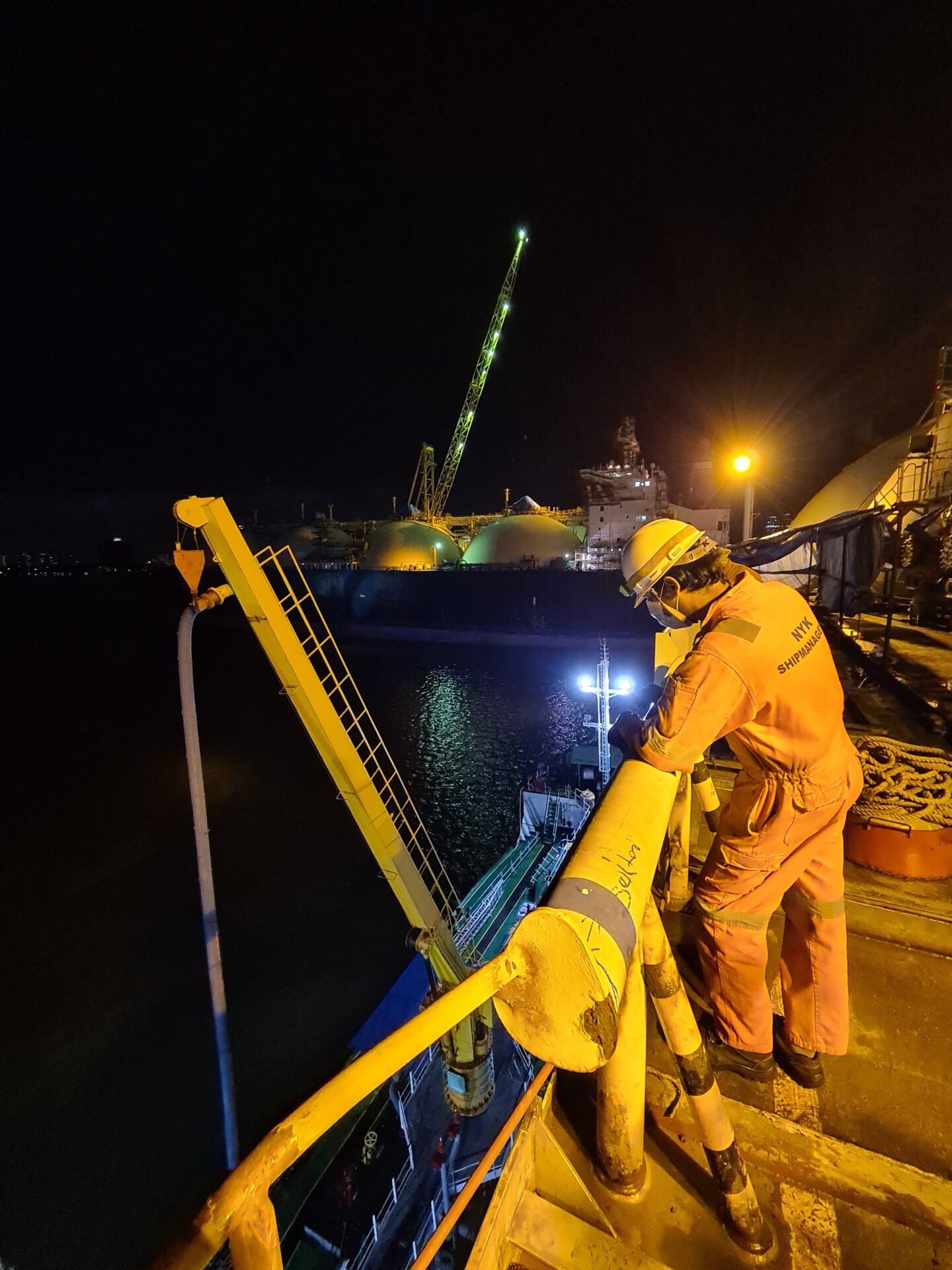
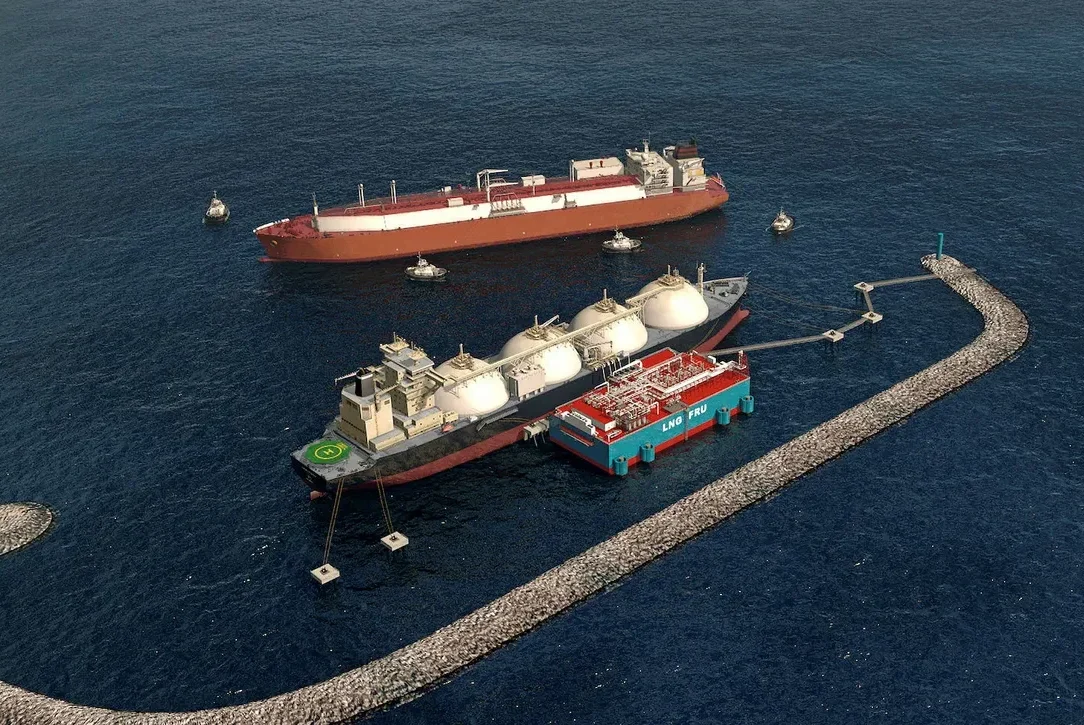
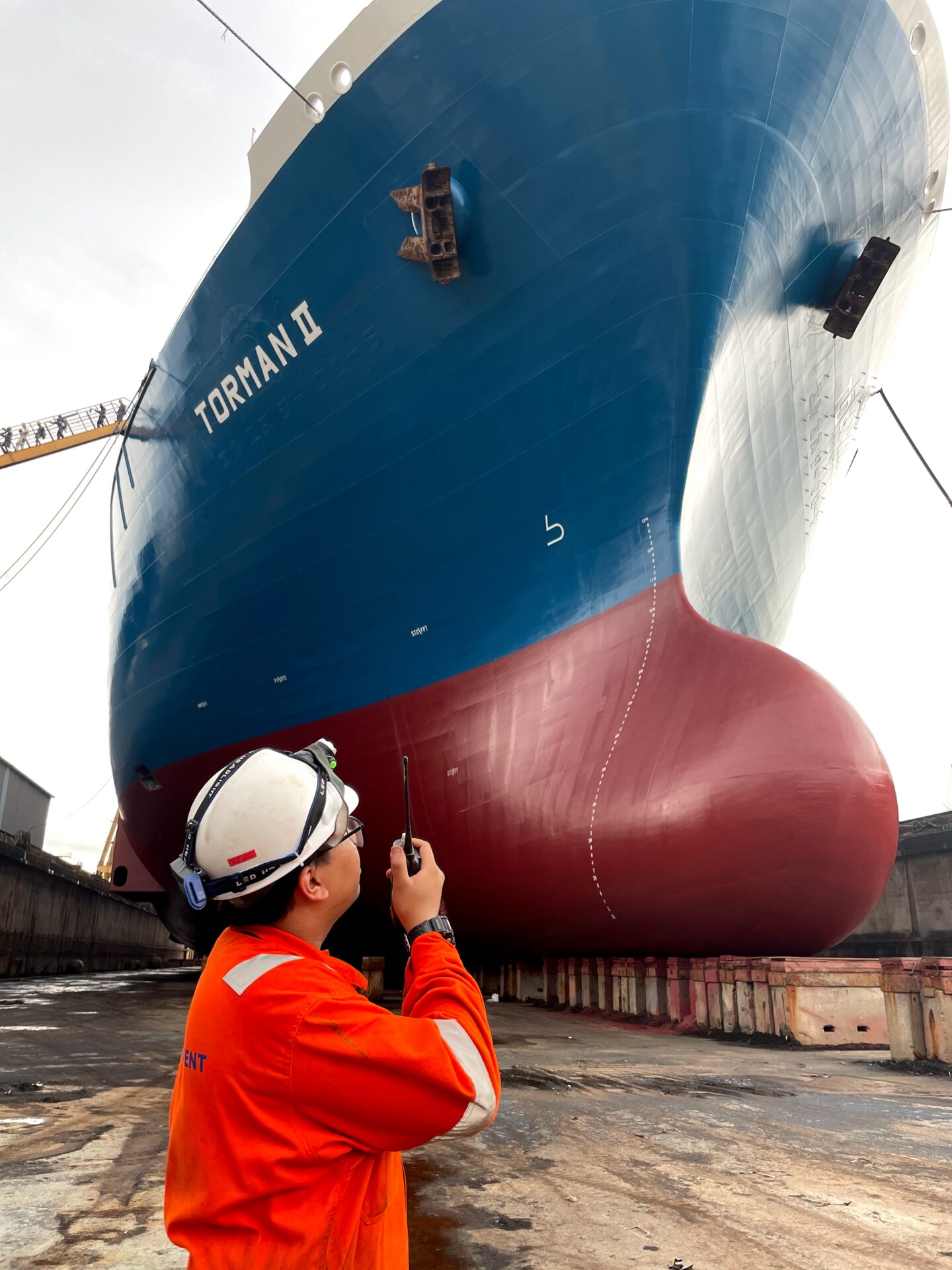
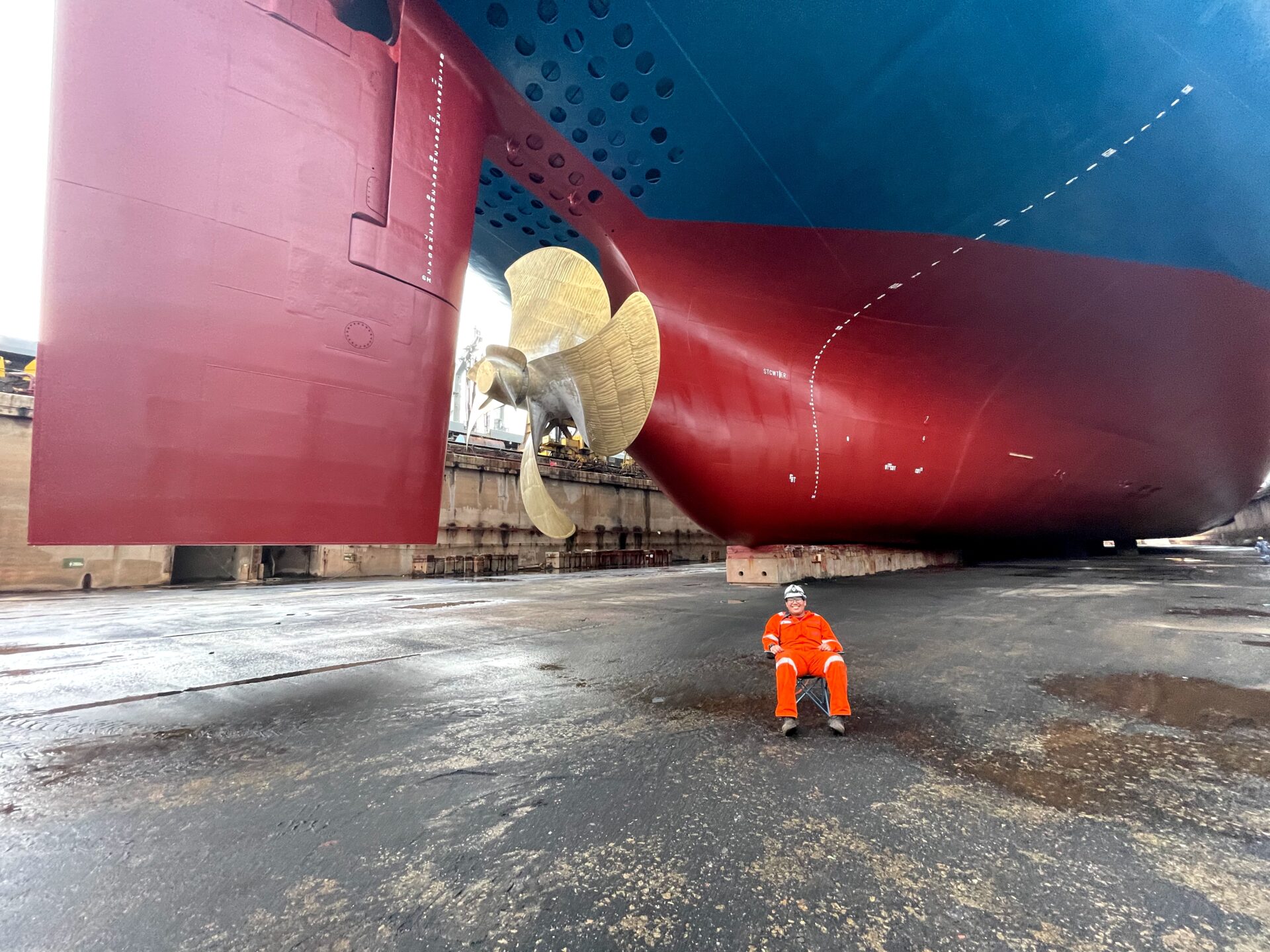
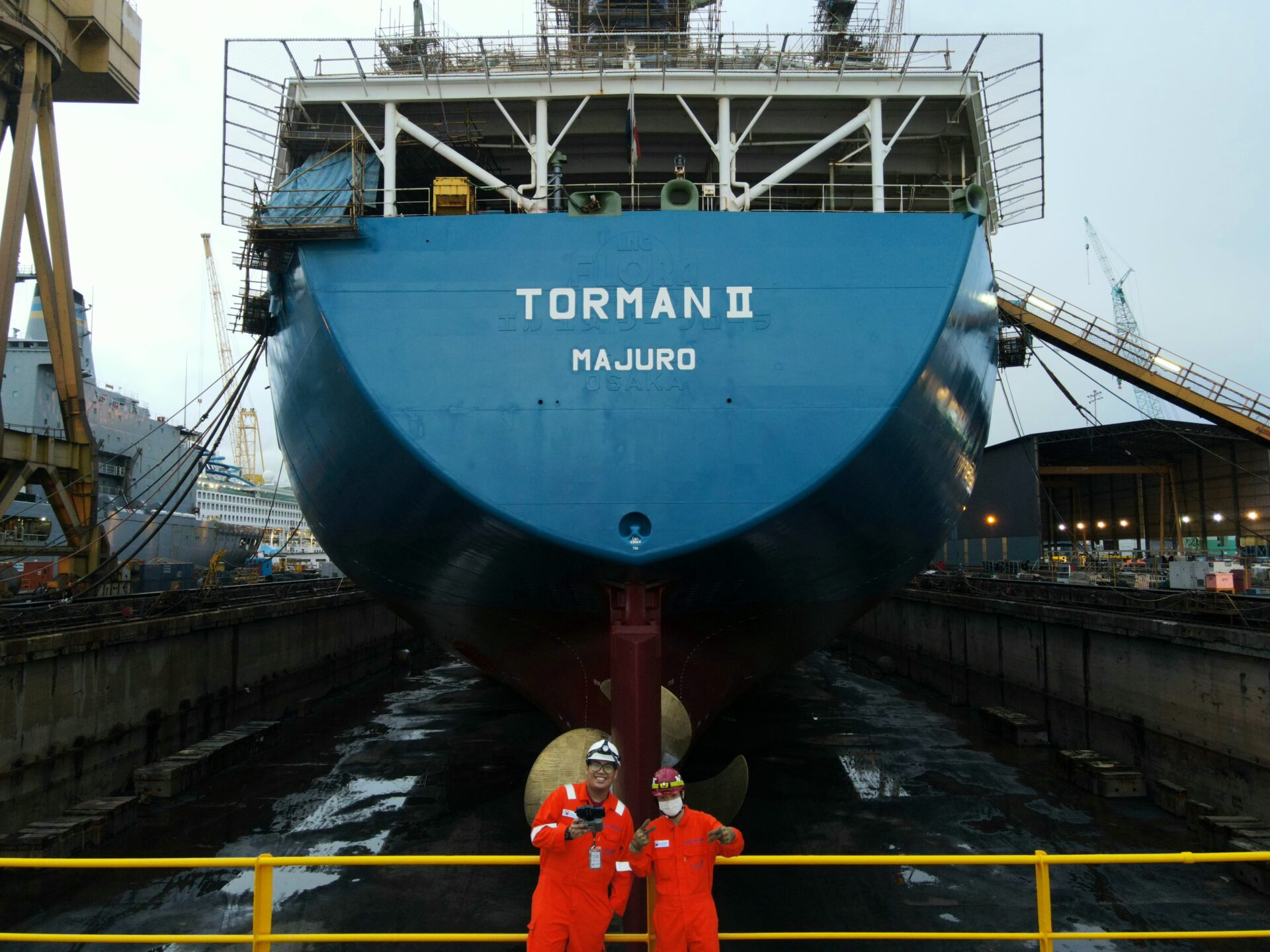
In 2020, at the age of 20, he said yes to an opportunity that would shape everything that followed. His company had a conversion project involving an ageing LNG tanker being transformed into a floating storage unit in Singapore.

That attachment changed my perspective,” Sean points out. realised sustainability in shipping isn’t only about new fuels. Sometimes it’s about extending the life of existing vessels responsibly.”

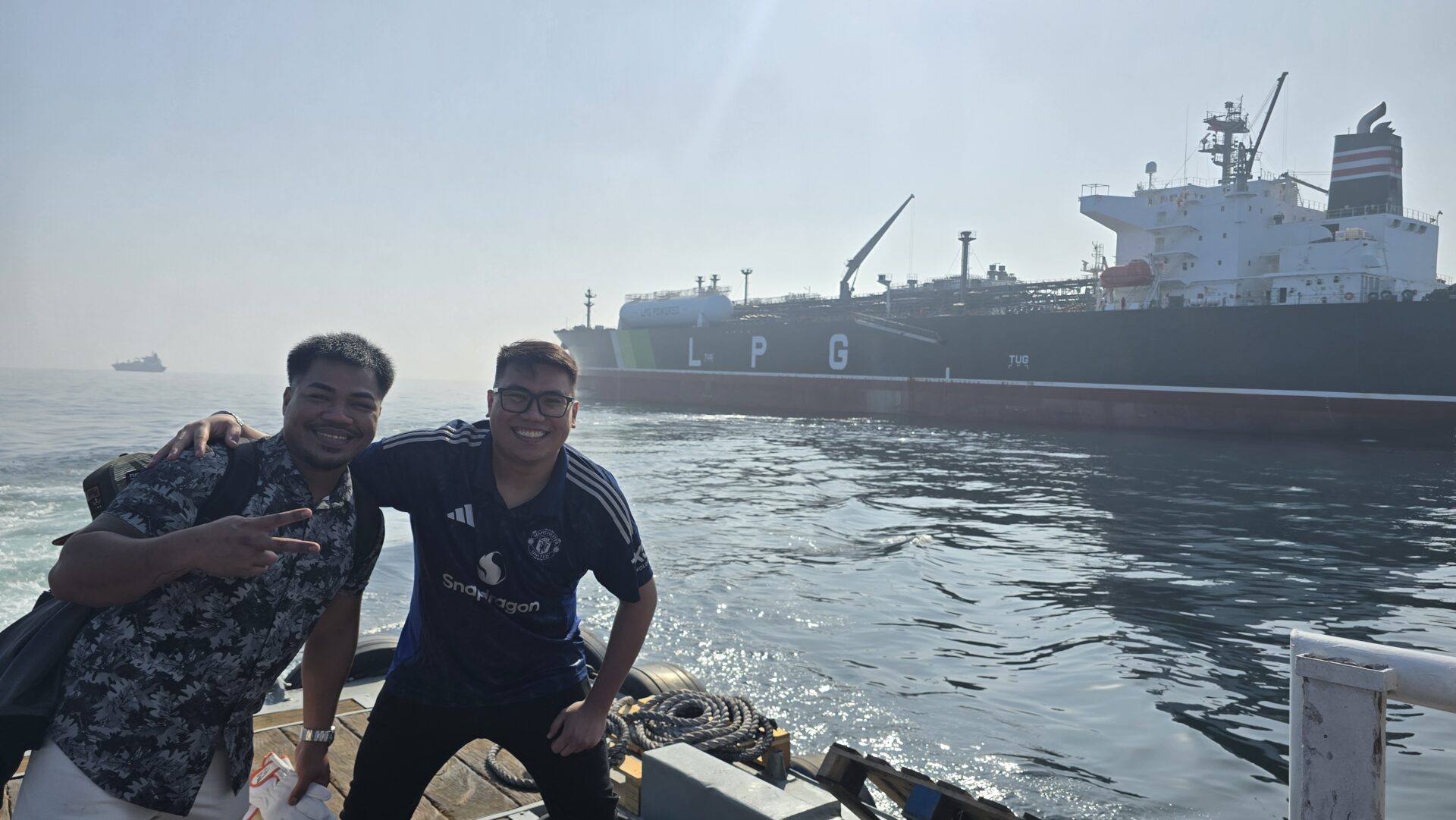
After completing NS, Sean returned to sea as a qualified junior engineer onboard dual-fuel LPG vessels capable of using cargo as fuel for propulsion. The technology represented part of shipping’s wider push toward lower-emission operations.  

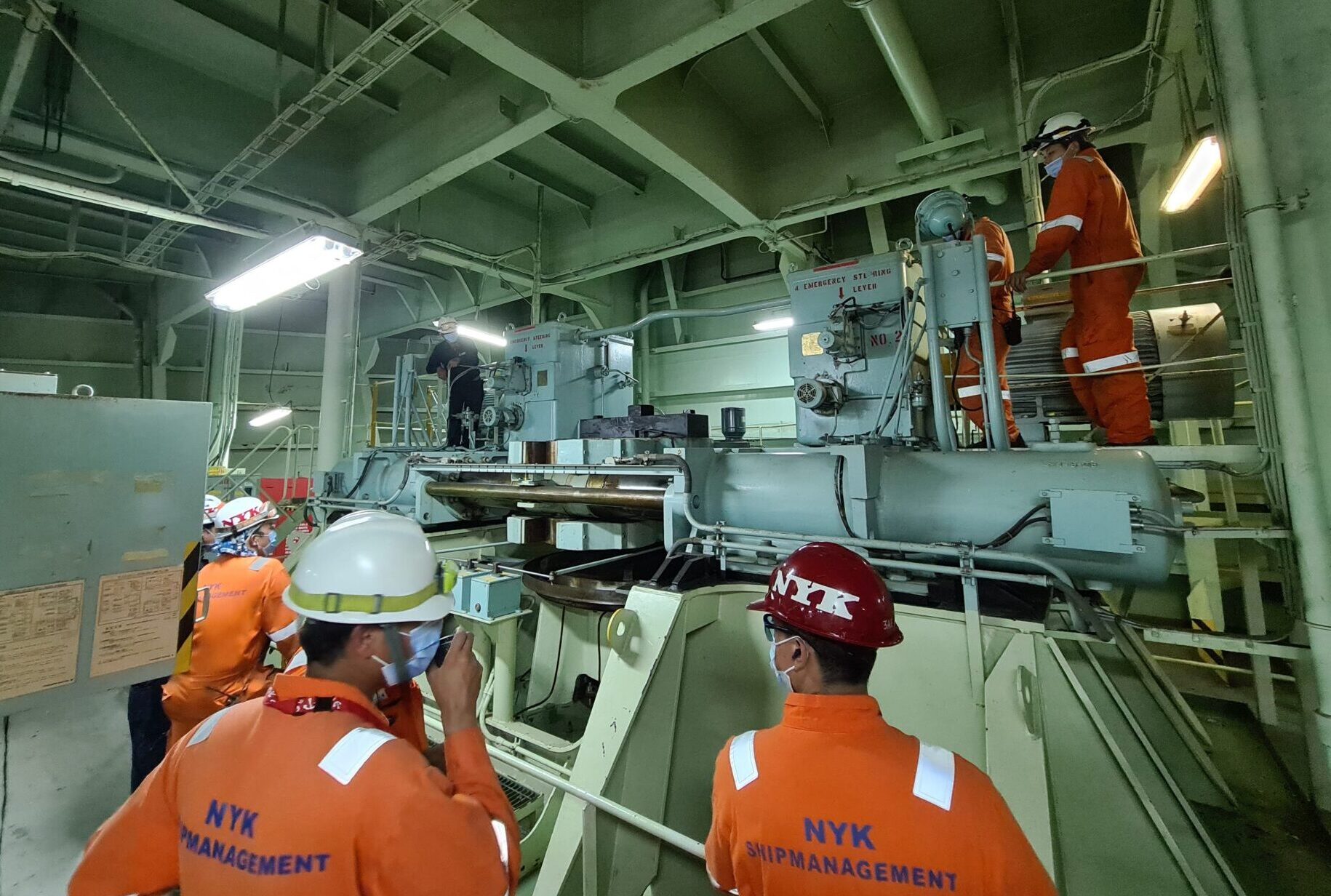
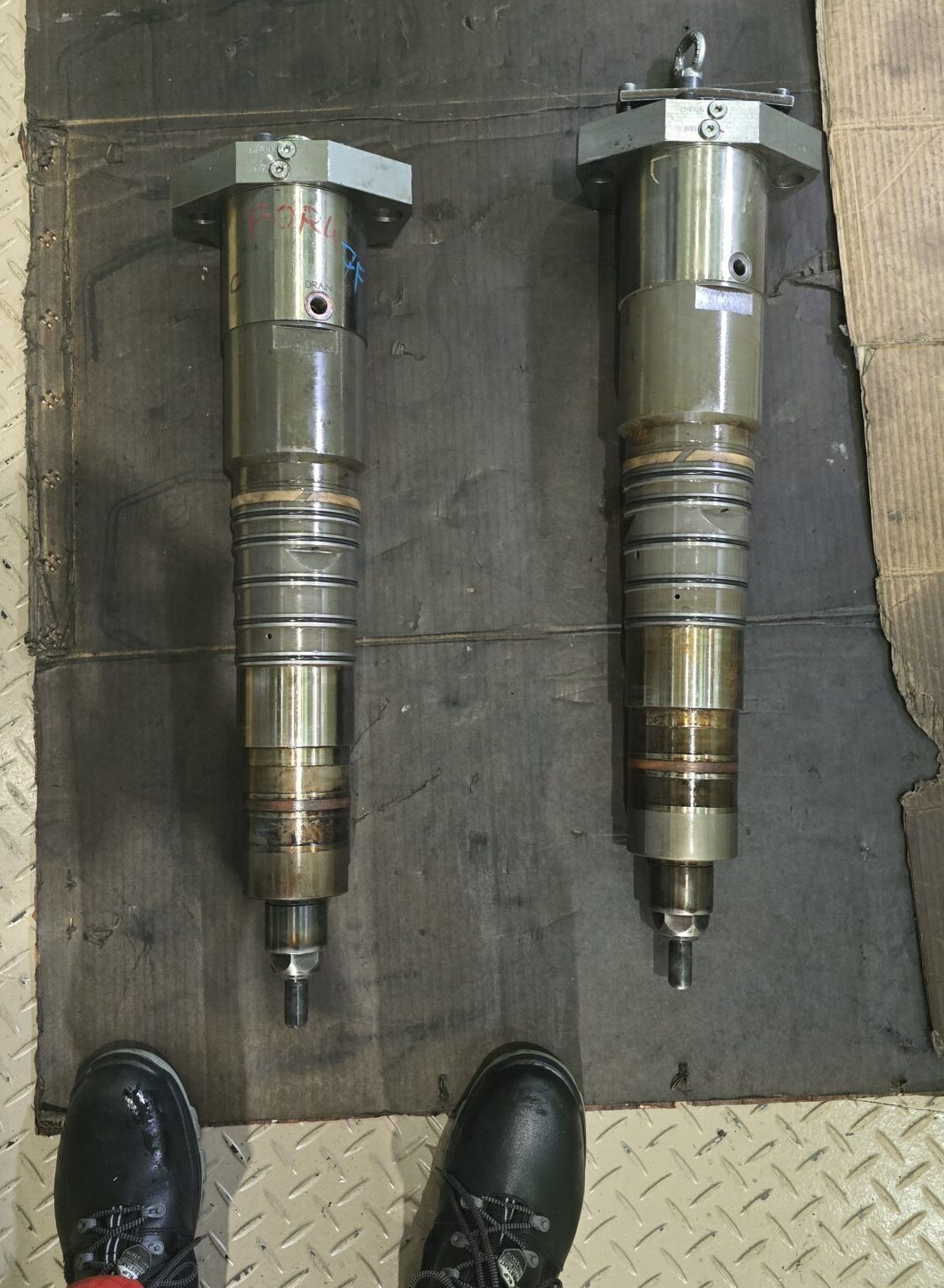
One incident onboard left a lasting impression. During a voyage, the engineering team encountered issues with the gas injectors on the vessel’s main engine. Replacing them required shutting down the engine mid-ocean while engineers carried out heavy maintenance work.  

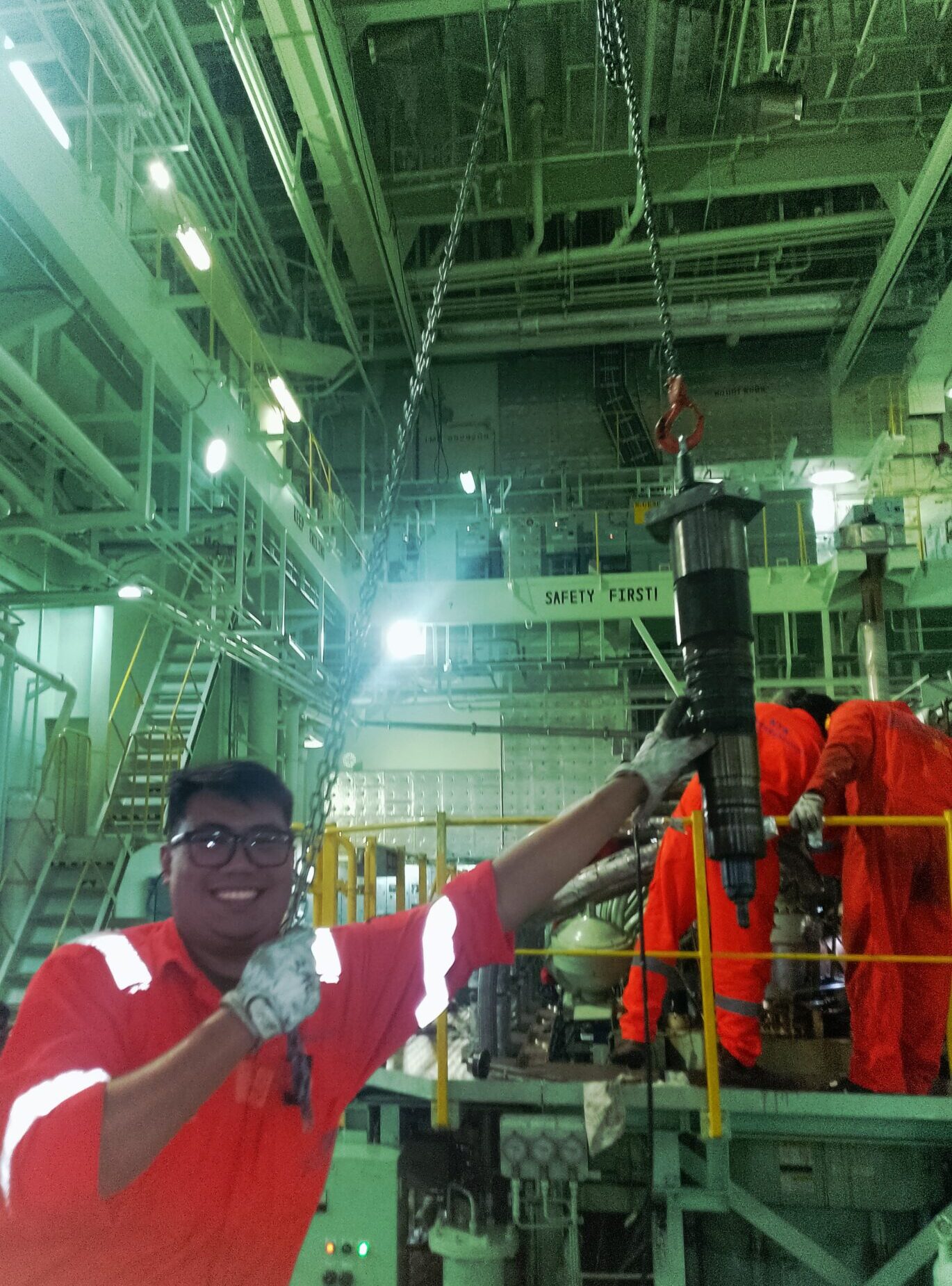
The injectors were huge,” Sean recalls. You couldn’t even carry them by hand like conventional injectors.” Using overhead cranes inside the engine room, the team worked against time while balancing safety and operational demands.

“The first time it happened, I had no idea what to do,” Sean admits. “But I was working with senior engineers who’d done it before. By the end, we got it down to 90 minutes.” 

Experiences like these taught him one of the greatest lessons of life at sea. “At first, everything feels overwhelming. Then one day it becomes second nature.” 

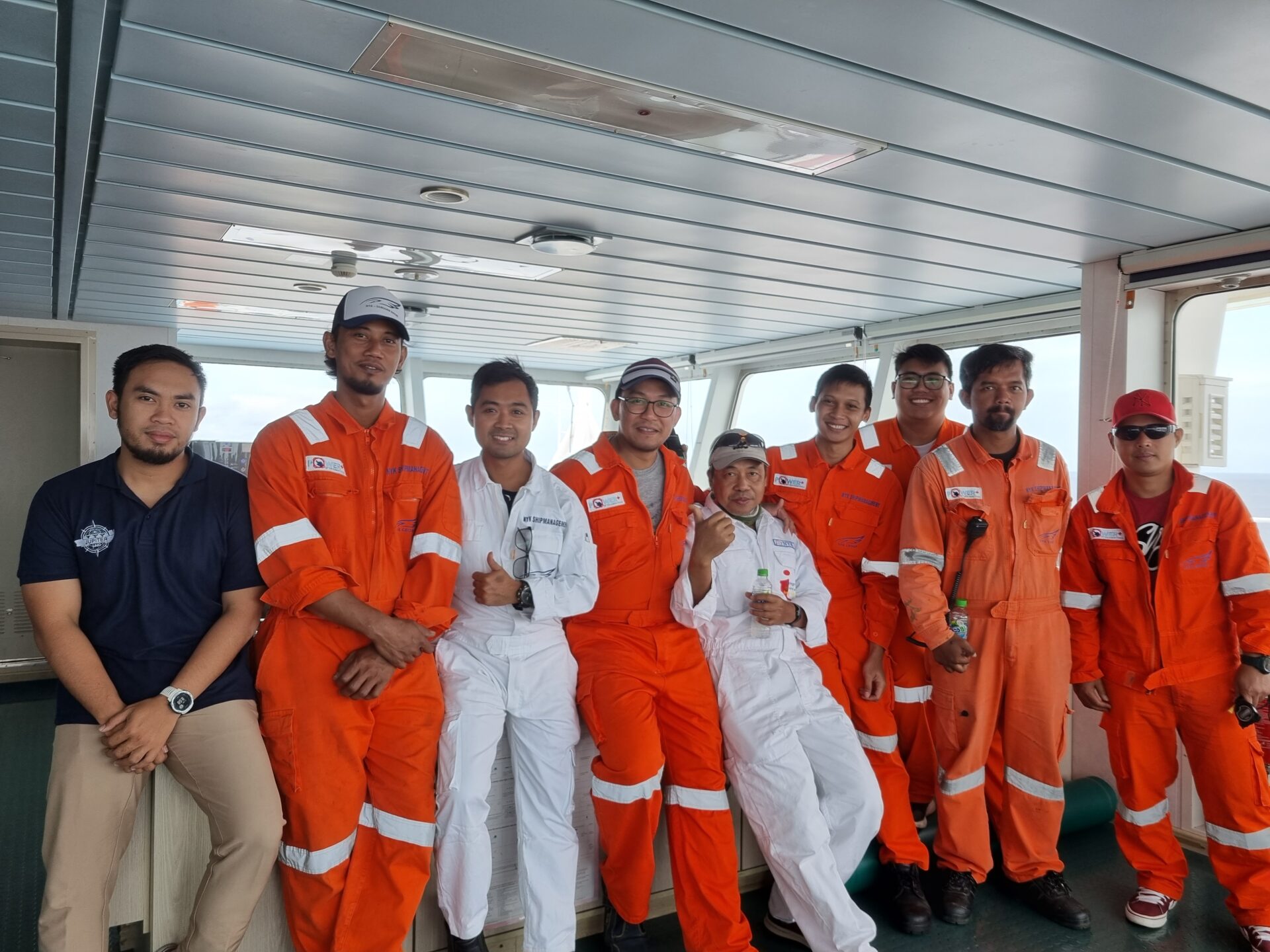
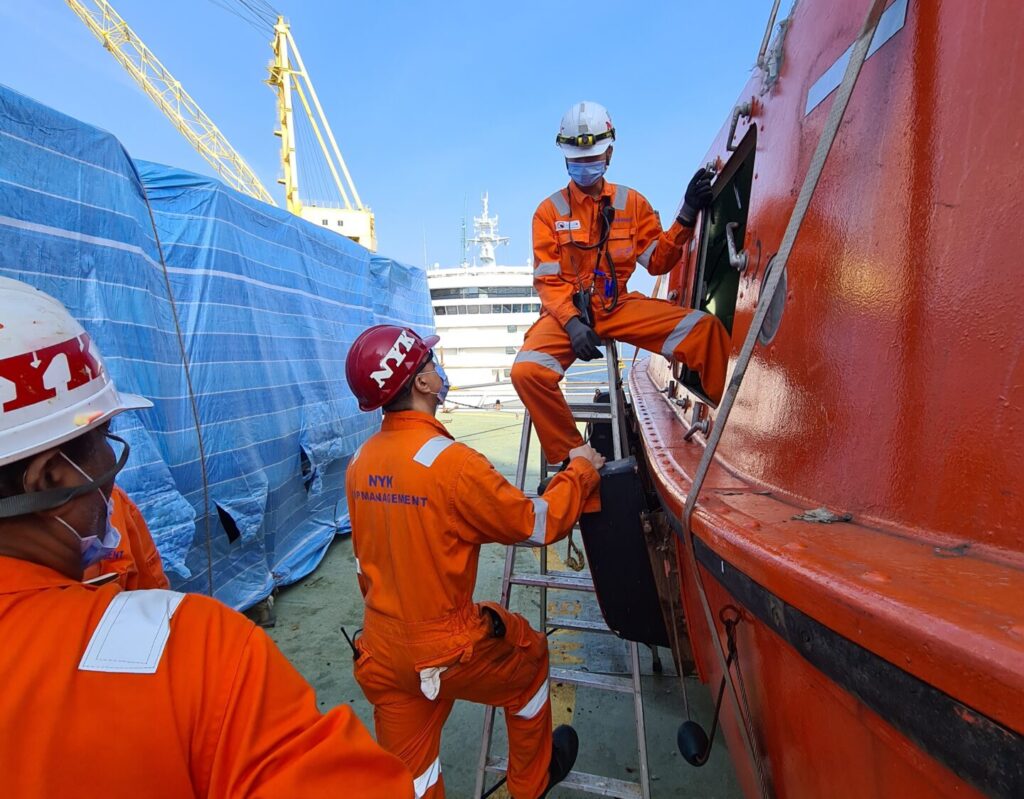
Working under a Japanese shipping company exposed him to a culture centred on preparation, operational discipline, and continuous improvement. He also speaks highly of the strong safety culture onboard, noting how the vessels are built with extensive redundancy and robust safety measures. 

When asked what life at sea was really like compared to what he expected, Sean’s honesty is refreshing. Before sailing, he had heard stories from seniors working on container ships; vessels that dock in major cities where crews can go ashore. Brazil. Mexico. The Caribbean. 

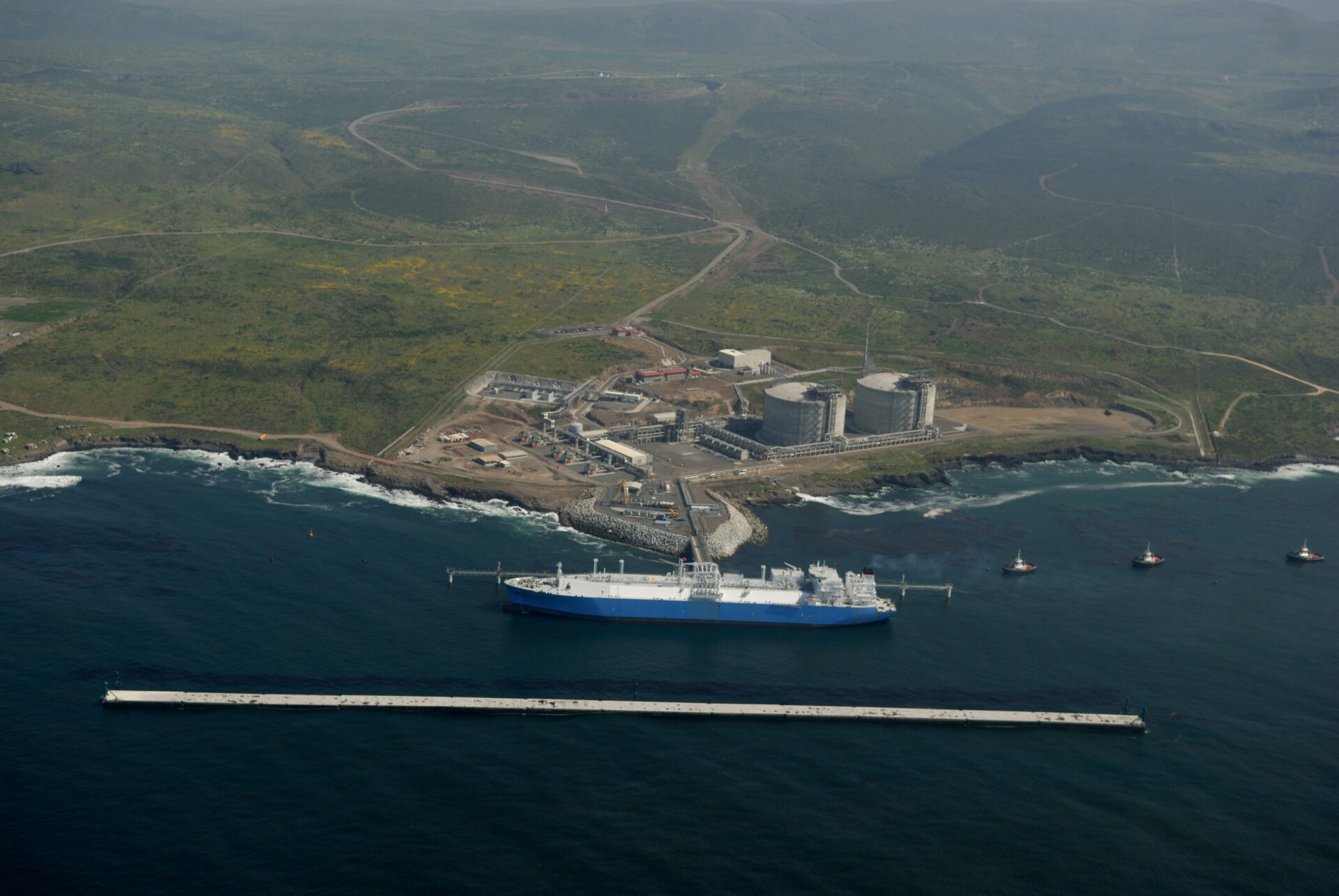
Gas carriers are the opposite. They are docked at secluded terminals primarily for extreme safety and security reasons. Liquefied natural gas (LNG) and petroleum gas (LPG) are highly flammable and stored at cryogenic temperatures or at very high pressure. Isolating these terminals from cities creates a vital buffer zone, shielding populated areas from the risks of fire, vapour cloud dispersion, or explosion. Port calls can last 30 to 40 hours in the middle of nowhere. Yet Sean persevered, driven by his passion for engineering and the sea.

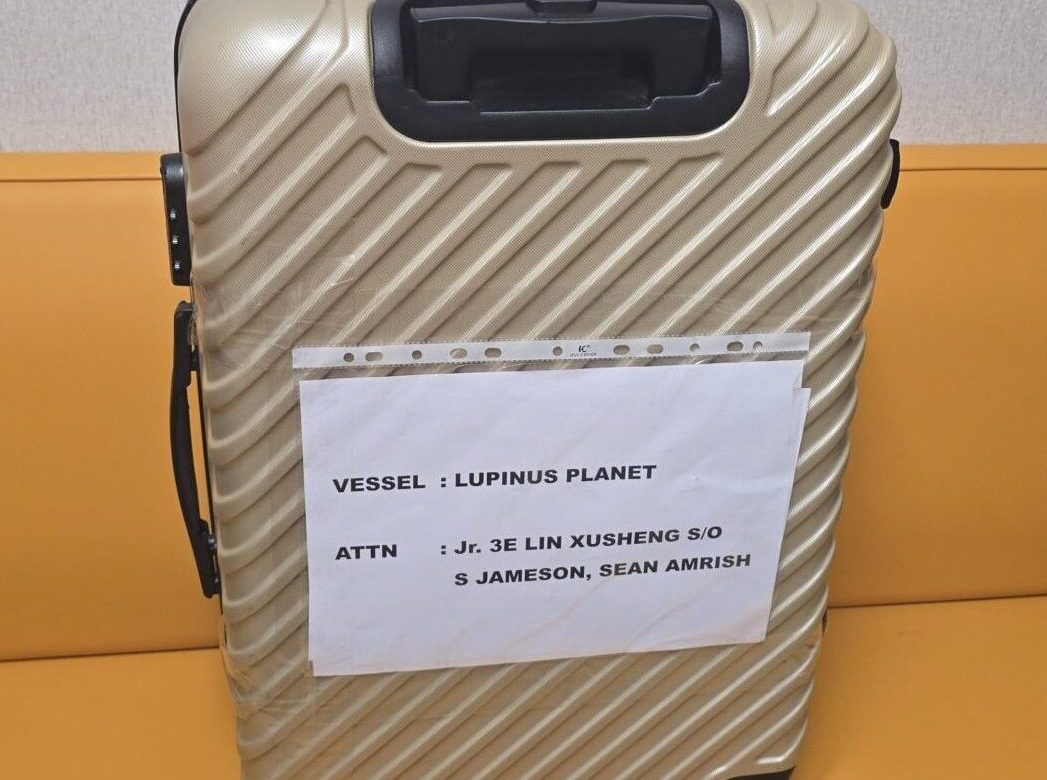
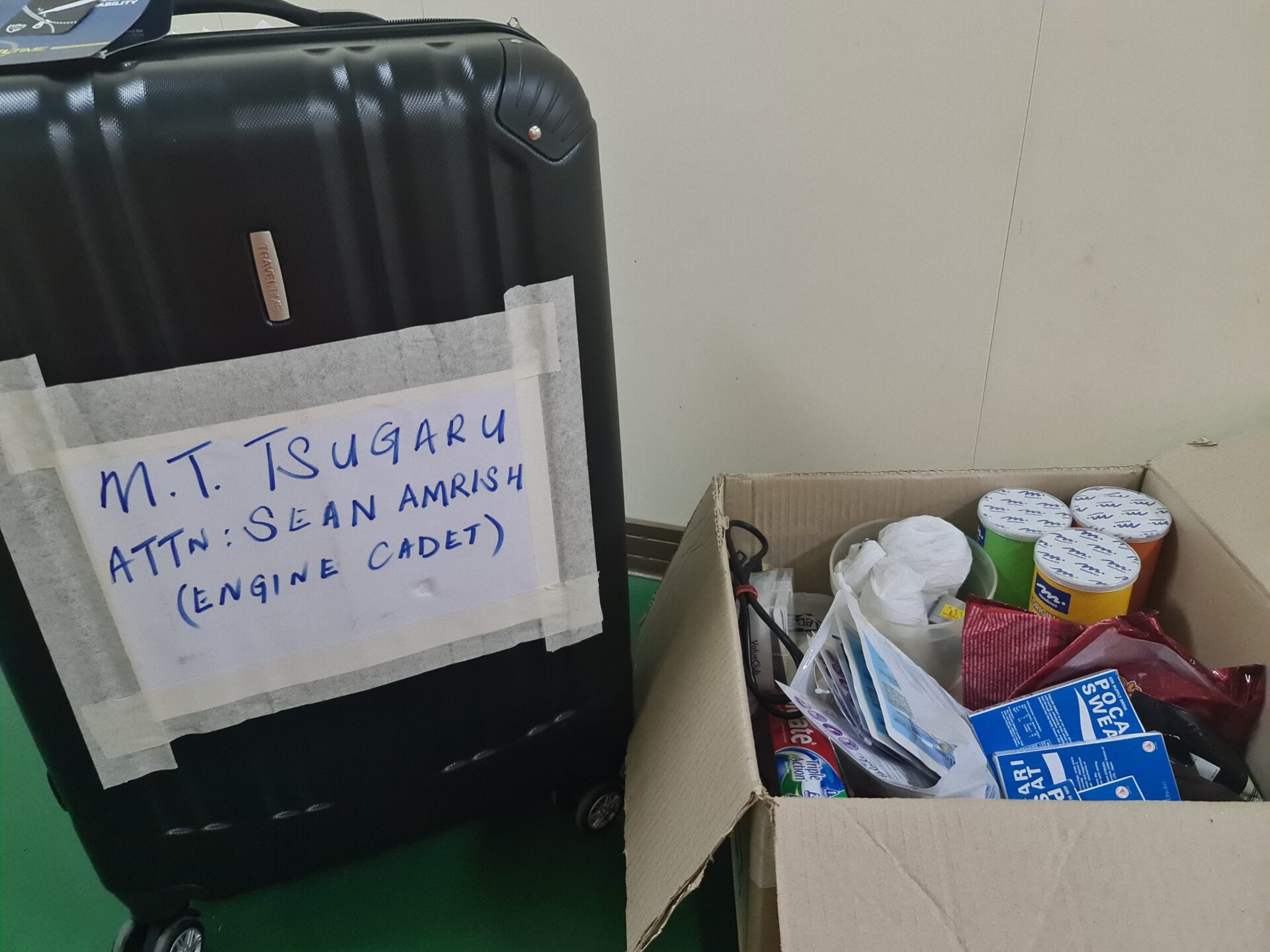
That resilience also extends beyond technical work. Seafarers spend months away from family, often missing major milestones at home. What helped him cope was strong family support. His parents regularly sent care packages whenever his vessel returned to Singapore.

Small things matter onboard,” he says. Favourite snacks, familiar items from home. Those things really lift morale.” 

He also notes how much onboard welfare has improved in recent years, particularly internet access. When I first sailed, ship Wi-Fi was very limited,” he says. Now some vessels have fast enough internet for proper video calls. That really helps with homesickness.” 

Sean is also a SMOU member, just like his father. The union’s educational grants helped offset his training costs, while its mental wellness workshops, youth engagement programmes, and mentoring sessions reminded him that he is not alone in this career. 

Today, Sean remains passionate about sailing, although he is already looking ahead. 

He plans to pursue a master’s degree and sees himself eventually transitioning ashore into sustainability-focused maritime roles. Alternative fuels, cleaner shipping systems, and future energy technologies continue to hold his interest. 

His companys investments in LNG, LPG, methanol, and ammonia-ready vessels only reinforced that direction. You can see the industry changing in real time,” he says. I want to be part of that transition.” 

For now, however, the sea still calls.  

And every time Sean signs on for another voyage, his father’s SMOU watch goes with him, a quiet reminder that while every generation charts its own course, some journeys are connected by more than just blood. 

They are connected by the sea.