Thank you for subscribing to Seavoices’ updates!

Please take a moment to check your email inbox and confirm your subscription to start receiving the latest news and updates.

19 Oct 2026
4 mins
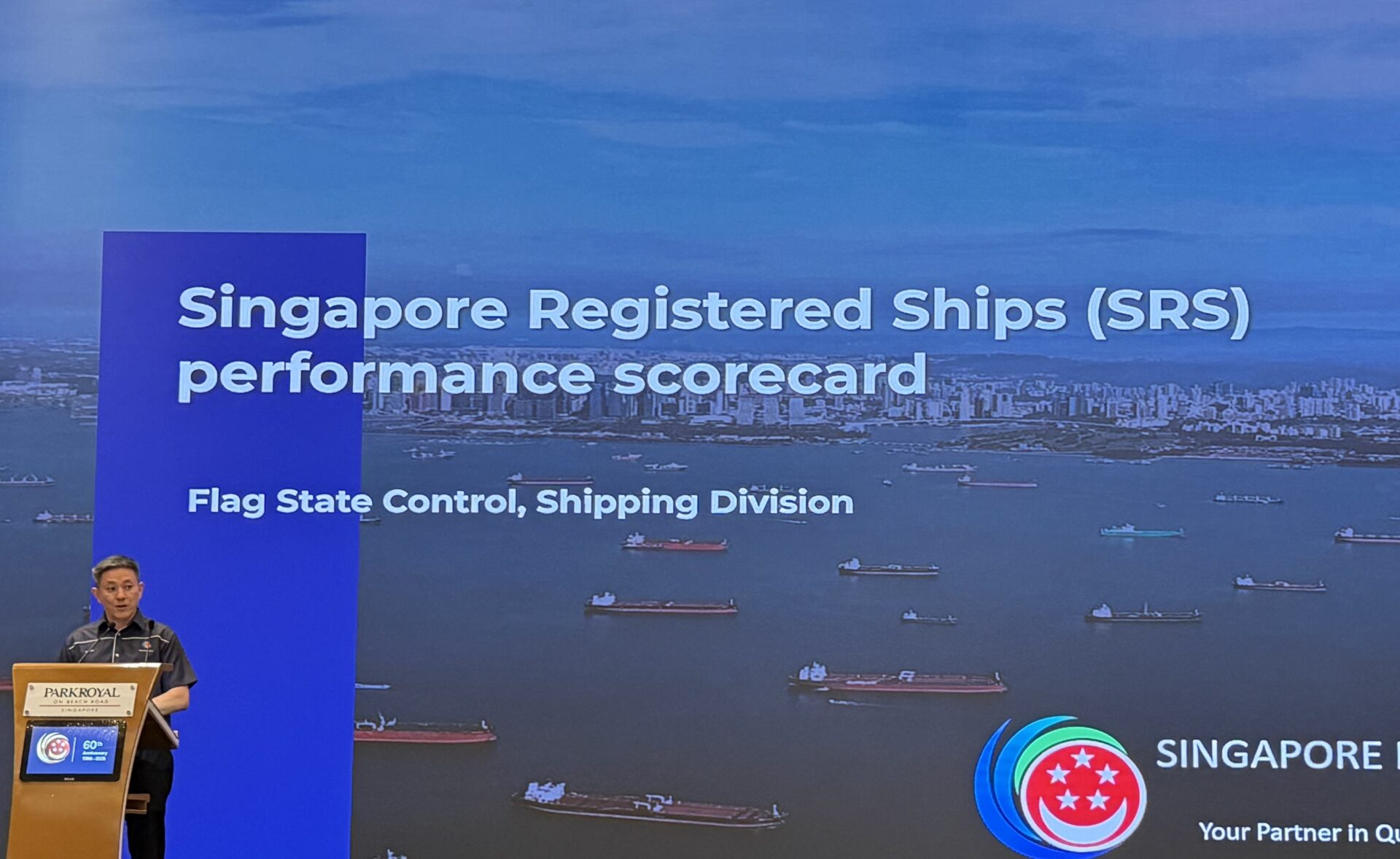
SRS Forum 2026: Smarter Systems, Stronger People, Higher Standards

From digitalisation and decarbonisation to evolving workforce needs, the maritime industry is going through a period of rapid transformation. Yet amid all the changes, what does it take to remain a trusted and high-perfoming flag state? 

At the SRS Forum 2026 held on 2 October, representatives from the Maritime and Port Authority of Singapore (MPA) offered their answer: The future of shipping will depend not just on new technology, but on strong partnerships, capable people and unwavering standards. 

A Simple Way to Register. A Smarter Way to Serve.

For an industry that operates across multiple countries and time zones, certainty matters.  

Whether it is a shipowner waiting for a certificate or a manager tracking the progress of an application, delays and ambiguity can quickly become operational challenges. Yet many registration processes today still involve document submissions, email exchanges and manual follow-ups.  

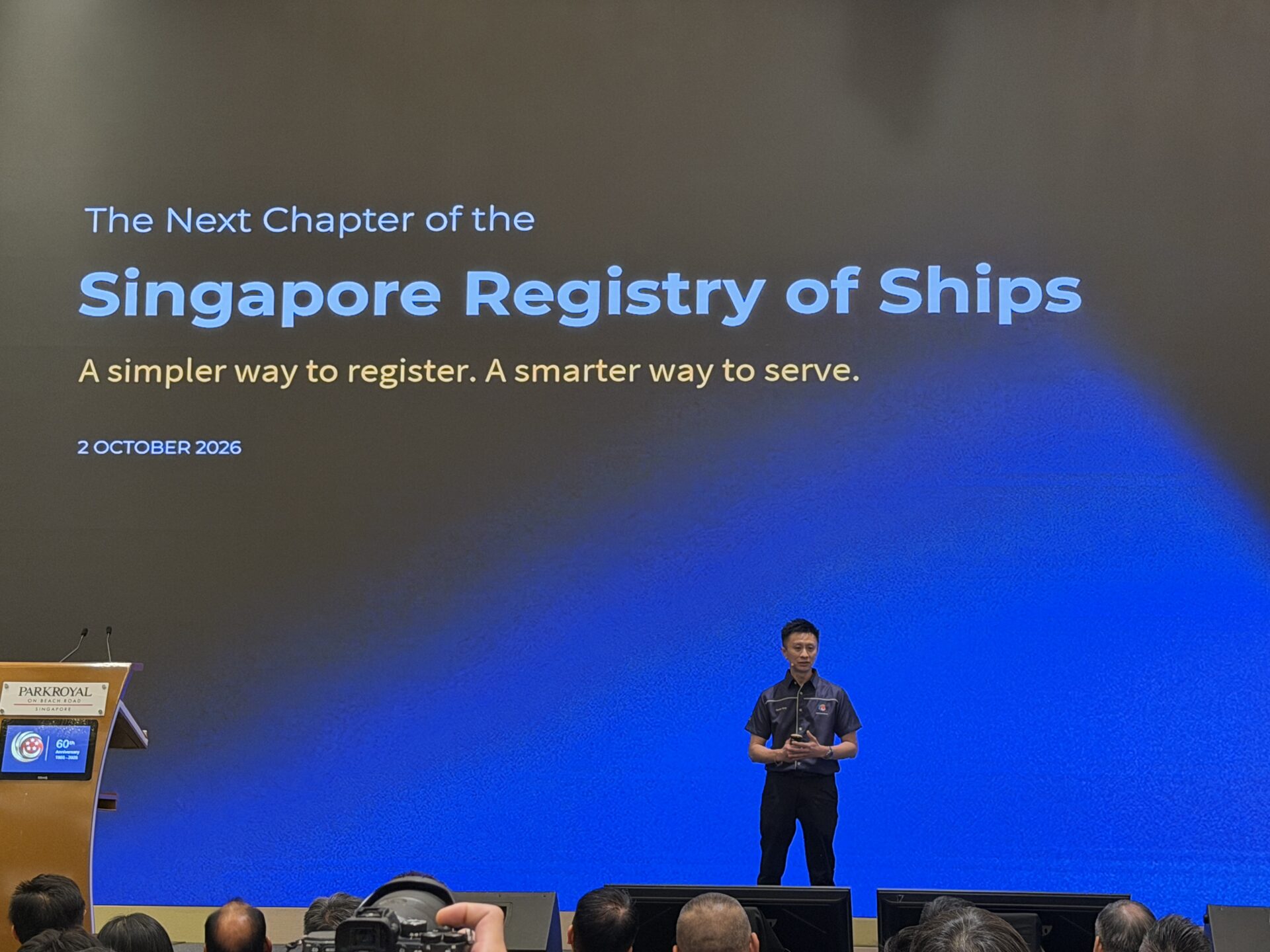
Opening the forum, Deputy Director Rayson Wong outlined how MPA plans to simplify that experience.  

Expected to lunch in the first half of next year, the new platform will allow users to submit applications, upload documents, track progress and access certificates through a single digital portal. Instead of chasing updates through emails, stakeholders will be able to monitor the status of their applications directly within the system. 

The result is not merely a faster registration process. By reducing repetitive administrative work, registry officers will have more capacity to focus on complex cases and provide professional guidance where it matters most. 

The next chapter of SRS is about creating a more connected and responsive ecosystem where information moves faster, processes are clearer, and stakeholders gain greater visibility over the services they depend on. 

Welfare, Skills, and a Future-ready Workforce

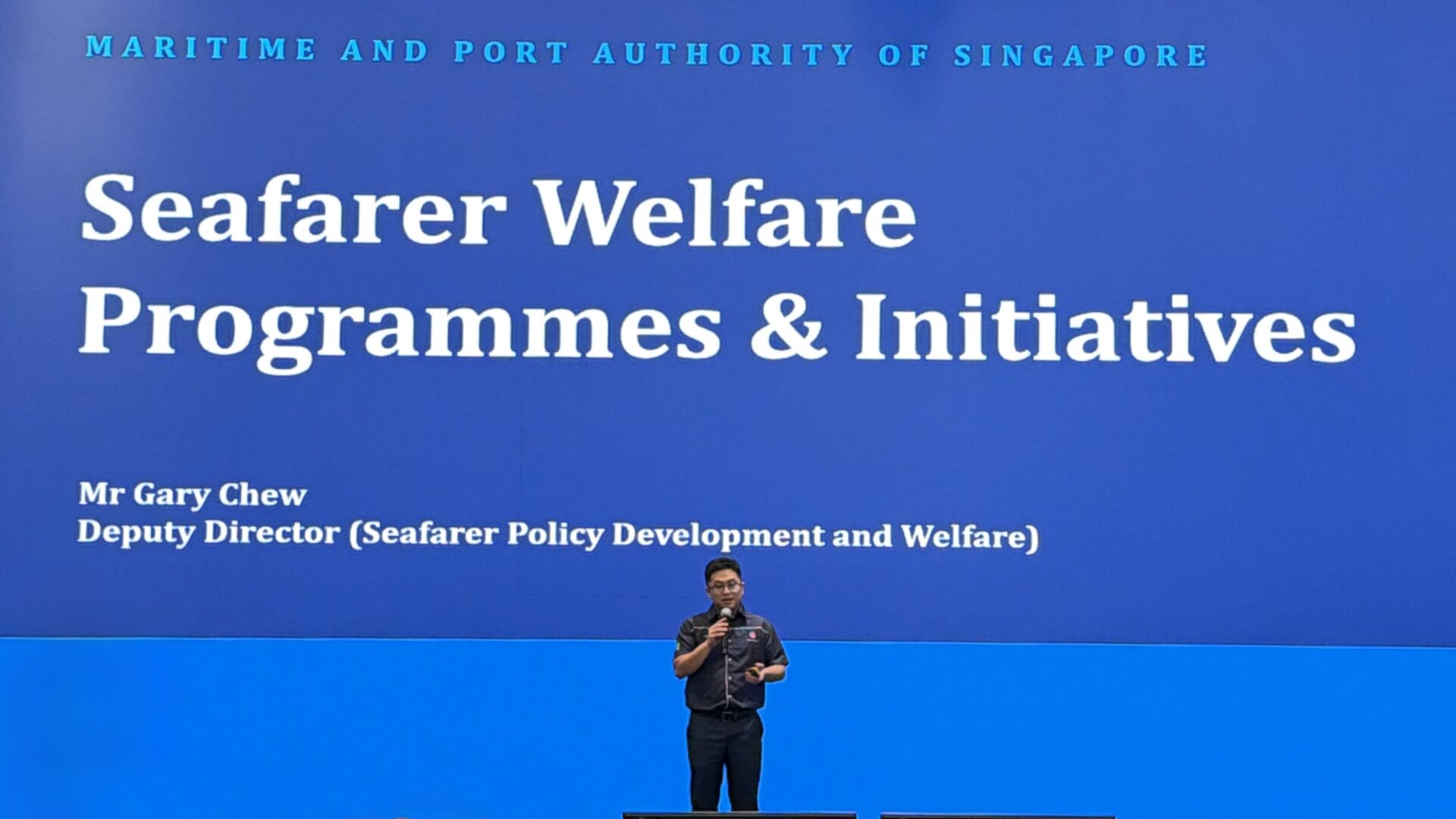
Behind every ship is a crew navigating long periods away from home and demanding work environments. Deputy Director Gary Chew’s presentation explored how MPA is working with industry partners to support seafarers’ welfare, safeguard their rights, and prepare them for the future of maritime work. 

This commitment is reflected in recent amendments to the Maritime Labour Convention (MLC), which strengthen protections against violence, harassment, and sexual misconduct while enhancing provisions relating to shore leave, repatriation, and fair treatment. 

Beyond regulation, Gary highlighted the importance of creating an environment where seafarers can thrive both professionally and personally. 

Efforts are underway to expand welfare facilities, including a growing network of seafarer lounges that provide connectivity, rest areas, and access to mental health support. The redevelopment of Maritime House will also create a modern hub dedicated to maritime learning and community building. 

At the same time, the focus is increasingly turning towards the skills needed for the future. 

As alternative fuels, automation, and digital technologies become more common onboard, seafarers will need to adapt alongside the industry. Programmes such as SeaMAP, the Tripartite Maritime Training Award (TMTA) and the Seafarer Achievement Programme continue to help maritime professionals build new competencies and remain relevant in a changing operating environment. 

Collectively, these initiatives reflect a recognition that a resilient maritime industry depends not only on capable ships, but also on well-supported seafarers. 

Quality that Sets Us Apart

Closing the forum, Deputy Director Aidan Ho turned attention to a topic that has long defined the Singapore Registry of Ships: Quality. 

While global rankings often focus on fleet size, Aidan highlighted a different measure of success. A reputable flag state is not defined by how many ships it registers, but by how those ships perform. 

That focus on quality has helped Singapore maintain some of the world’s strongest port state control records, with detention rates consistently below regional averages and continued recognition under international performance regimes such as the Tokyo MOU, Paris MOU and Qualship 21. 

But those outcomes are not achieved through enforcement alone. 

Aidan highlighted the extensive engagement taking place between MPA, shipowners, managers, recognised organisations, and international regulators. Through dialogue sessions, joint inspections and regular exchanges with port authorities, stakeholders work together to identify emerging issues, share best practices, and prevent detentions before they occur. 

The same collaborative approach is being applied as shipping transitions towards greener fuels and new technologies. Rather than stepping in only at the point of compliance, MPA is increasingly working alongside owners from the early design stage, providing guidance throughout the development and implementation process. 

In doing so, the regulator’s role is evolving from one of oversight to one of partnership, helping industry stakeholders navigate increasingly complex technical and regulatory requirements. 

One Goal, Three Pillars

1. A smarter registration system improves efficiency.  
 
2. Better welfare and training strengthen the workforce.  
 
3. High standards and close industry collaboration maintain trust in the Singapore flag. 

As the industry charts its next course, the message from SRS Forum 2026 was clear. Technology may shape the future, but people, partnerships and quality will continue to define success.