Thank you for subscribing to Seavoices’ updates!

Please take a moment to check your email inbox and confirm your subscription to start receiving the latest news and updates.

22 Sep 2025
7 mins
Wärtsilä Marine Leading Through Change: Preparing Seafarers for a Tech-Driven Future

The maritime industry is entering one of the most transformative periods in its history.

“In just 25 years – the lifetime of a single vessel – shipping must reach net zero emissions,” Mr Johan Ekvall, Director, Simulation and Training, Wärtsilä Marine, remarks.

For seafarers, this is a fast-approaching reality that will reshape how they work, what they know, and the skills they must carry into the future.

Charting the Path to Net Zero

The International Maritime Organization’s ambition to reach net-zero emissions by 2050 sets a challenging course. Johan outlines three main pathways for the industry to get there.

The first is efficiency — Burning less fuel by increasing vessel and operational efficiency, lowering both greenhouse gas (GHG) emissions and fuel costs.

As Johan succinctly puts it, “the most sustainable fuel is the one you never burn.” Ships will need to consume less, relying on solutions such as engine, propulsion, hull upgrades, onboard energy management, and hybrid drive systems.

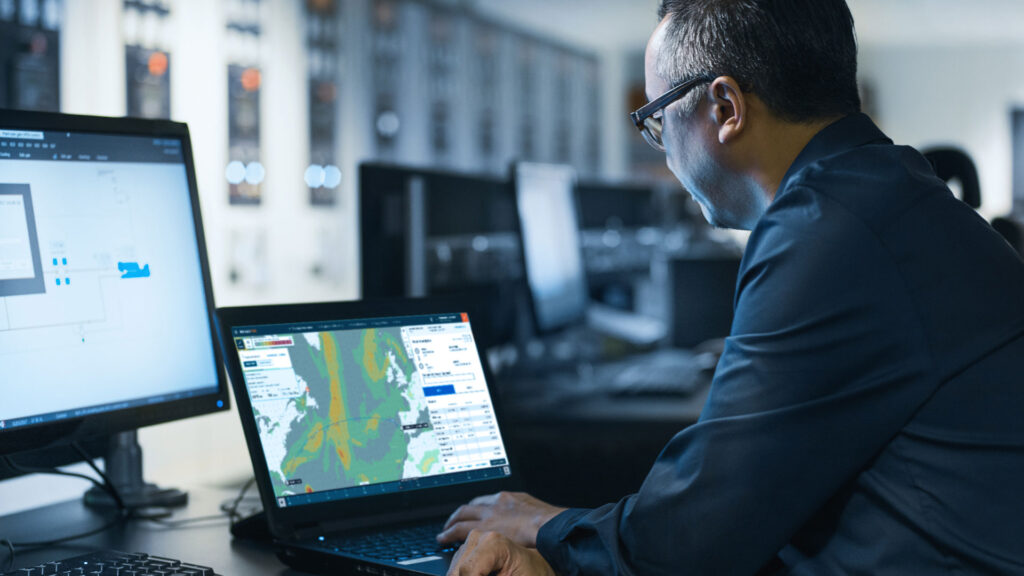
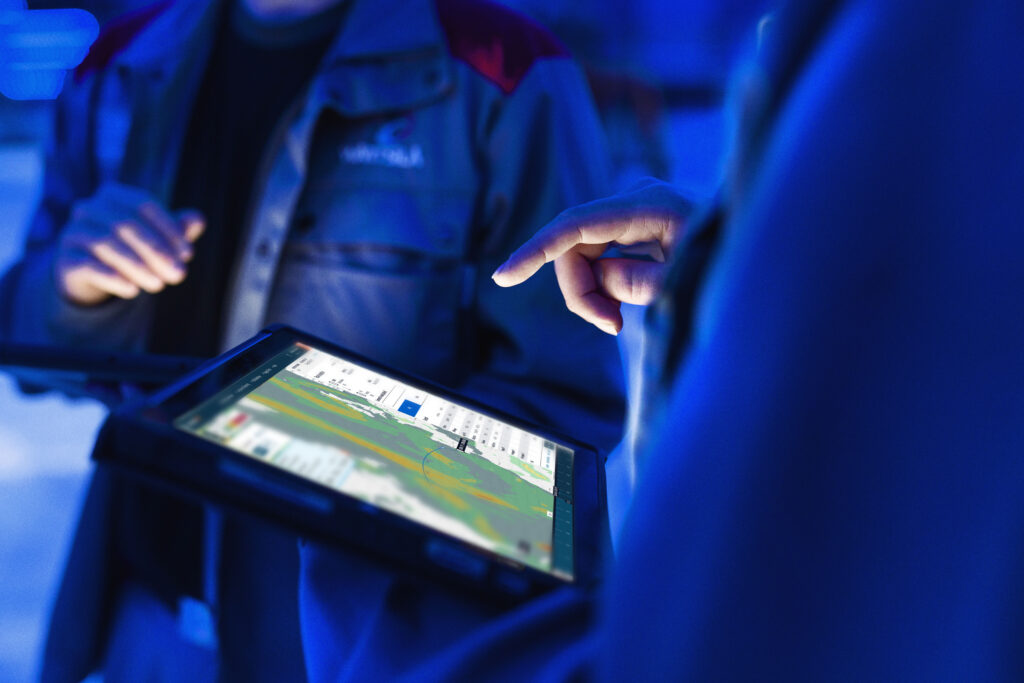
He cites AI-powered platforms, such as Wärtsilä’s Fleet Optimisation Solution, which analyses ship data to recommend optimal routes, speeds, and operational strategies.

“These systems enable real-time decision-making, improving fuel efficiency and reducing emissions, all while adapting to changing conditions at sea.”

Another key example is the use of advanced analytics and continuous monitoring of engine and equipment performance to identify potential faults early and maintain smooth ship operations.

Through Wärtsilä global expertise centres, the Expert Insight service applies predictive maintenance to schedule servicing before failures occur, reducing unexpected downtime and keeping maintenance costs under control.

Now instead of reacting to breakdowns, crews can anticipate and prevent them. Real-time monitoring detects issues before they become critical, allowing repairs to be scheduled in advance. “This not only reduces stress and workload but also keeps operations safer and less prone to emergency downtime,” Johan points out.

The second pathway is emissions abatement, the process of actively reducing, minimizing, or eliminating the release of harmful pollutants and GHG. Technologies like carbon capture are now commercially available, giving shipowners near-term solutions to comply with stricter environmental regulations.

Earlier this year, Wärtsilä introduced a carbon capture system that captures CO₂ directly from ship exhaust. It has already demonstrated the ability to cut vessel CO₂ emissions by up to 70 per cent, Johan shares.

The third pathway involves a complete switch to sustainable fuels, such as methanol and ammonia. These fuels are still under development, and infrastructure is limited, but dual-fuel engines — capable of running on both conventional marine oil and low-carbon alternatives — give operators fuel flexibility.

This flexibility lets operators choose fuels based on availability and cost, Johan explains.

“Every decarbonisation journey is unique. We, at Wärtsilä, offer a broad portfolio of engine technology designed to support customers on their chosen path.”

To meet the IMO’s long-term goals, the first two pathways must ultimately be combined with the third. Hybrid systems, which pair conventional engines with batteries, illustrate this.

“When you consider that sustainable fuels, when they become available in large quantities, will be expensive, hybrid systems which improve vessel and operational efficiency will be key for operators to remain profitable,” Johan shares.

Adapting to Alternative Fuels

While both sustainable fuels and hybrid systems are essential to achieving net zero in shipping by 2050, Johan emphasises that crews must be upskilled to handle these new energy sources.

Methanol, ammonia, and other alternatives promise significant emission reductions but require new safety protocols. These fuels behave differently from conventional oil, demanding specialised handling and deeper technical knowledge.

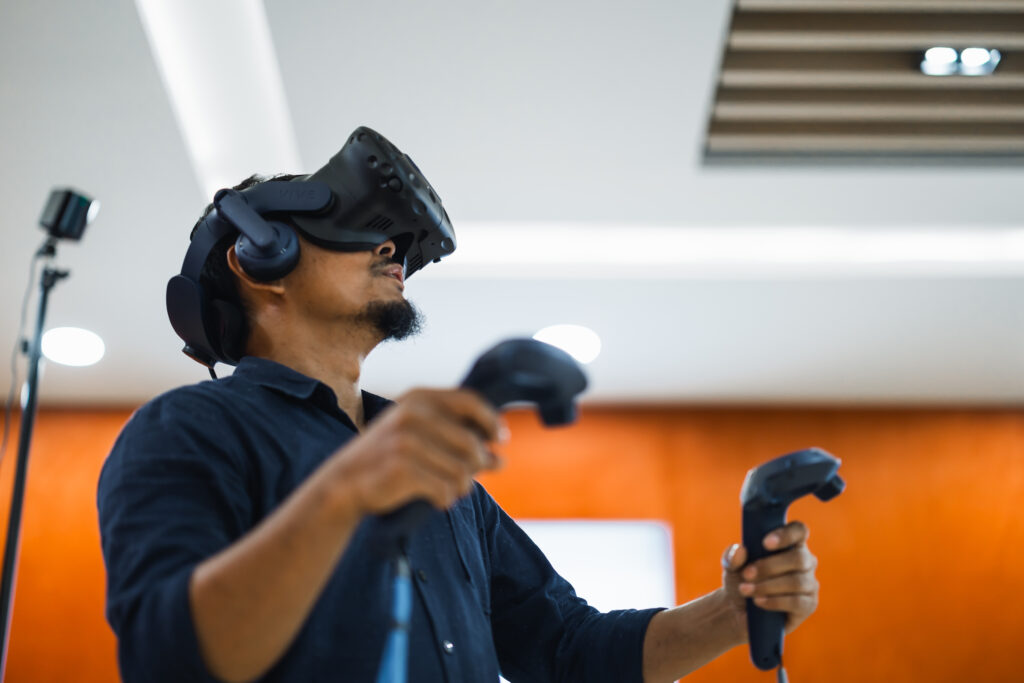
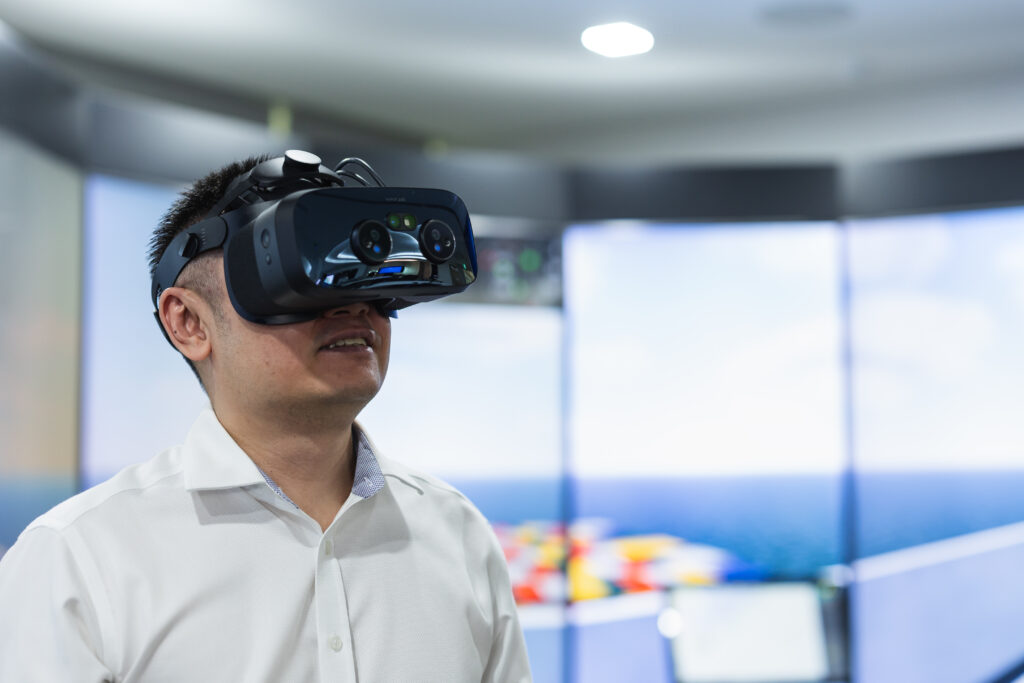
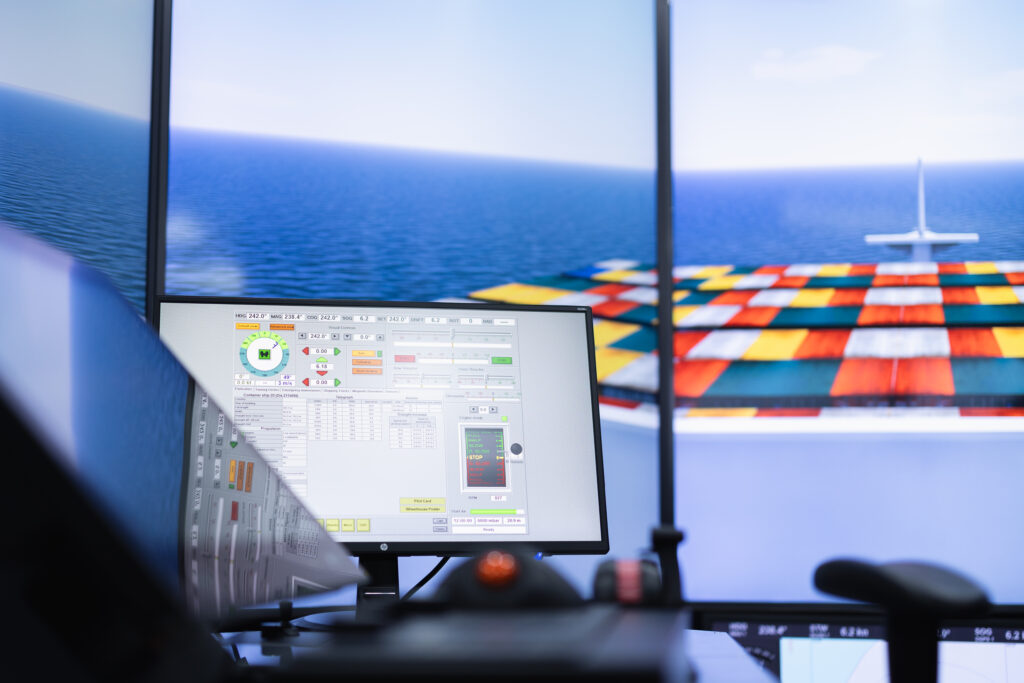
Upskilling is therefore critical. Simulation-based training is emerging as one of the most practical solutions, allowing crews to learn safely at scale without being limited by instructor availability. “Simulation-based training can increase capacity and address the instructor gap,” Johan notes, preparing thousands of seafarers for the fuel transition.

This challenge is not far off. With dual-fuel engines already entering service, crews are facing these challenges now. Operators must ensure that training is a central component, not an afterthought, of their decarbonisation strategy.

The Skills of a Future-Ready Seafarer

In this rapidly evolving environment, what skills should seafarers prioritise? Johan outlines four areas that stand out:

Digital literacy: Hands-on experience with AI-driven route planning, integrated bridge systems, and automated cargo handling equips crews to operate smart ships, tackle operational challenges, and manage performance data efficiently.

Cybersecurity awareness: As ships become increasingly connected, crews must be trained to protect vessel systems using advanced detection tools while adhering to current IMO cyber-risk guidelines.

Remote operations: With the rise of remote vessel operations, seafarers need skills in interpreting sensor data, managing diagnostics, and issuing corrective commands from onshore control centres.

Sustainability practices: In preparation for the IMO’s mid-century ambitions, comprehensive training in sustainability—including low-carbon fuels, emissions-reduction technologies, and effective voyage planning will be essential.

Collaboration: A Shared Responsibility

Preparing the maritime workforce for a technology-driven future requires collaboration across the entire ecosystem: shipowners, operators, manufacturers, regulators, unions, and training institutions must come together to develop programmes that integrate smart engine systems, predictive maintenance, and alternative fuels — blending theory with hands-on skills.

Singapore is leading the way. The Maritime and Port Authority (MPA), together with 22 diverse partners, is building a training facility dedicated to clean marine fuels. Such initiatives show how collaboration fosters innovation, shares expertise, and strengthens workforce resilience.

Global standards for digital skills and sustainable fuel practices are equally important. Reports such as the Singapore Maritime Foundation (SMF)’s Tripartite Advisory Panel (TAP) Report on the Future-ready Maritime Workforce highlight the skills needed by 2030 and beyond, propose strategies to accelerate workforce transformation, and outlined how Singapore can contribute to preparing the maritime workforce for industry change.

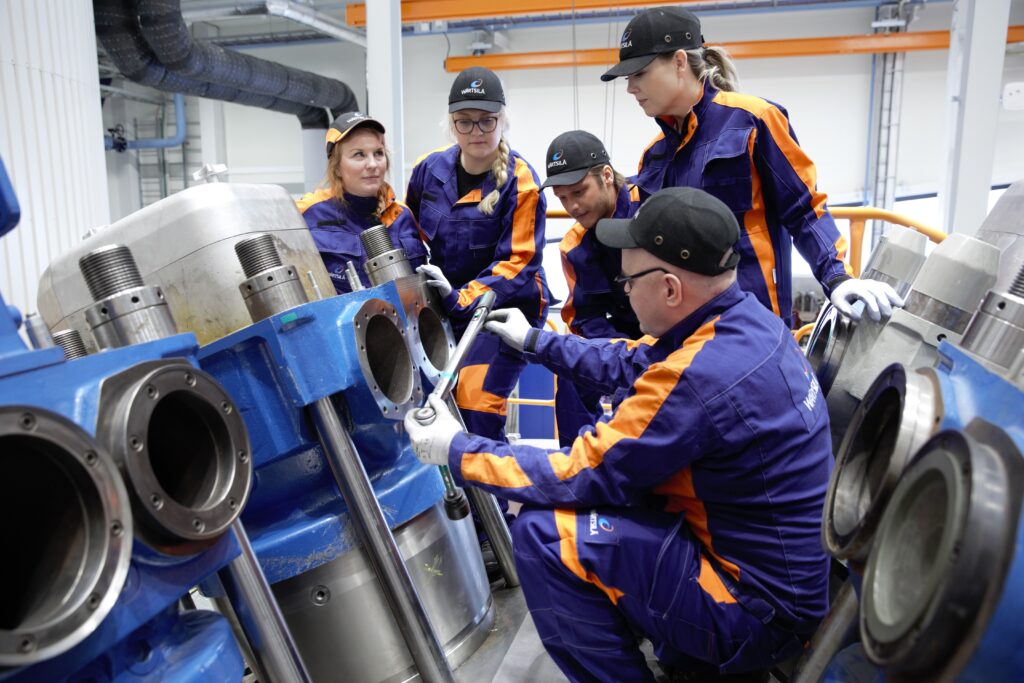
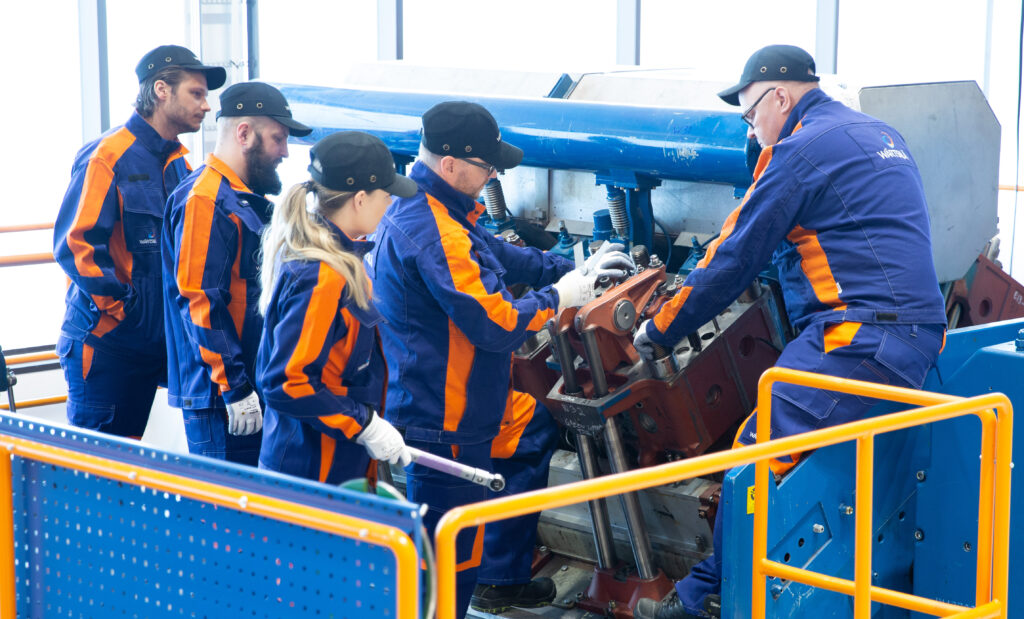
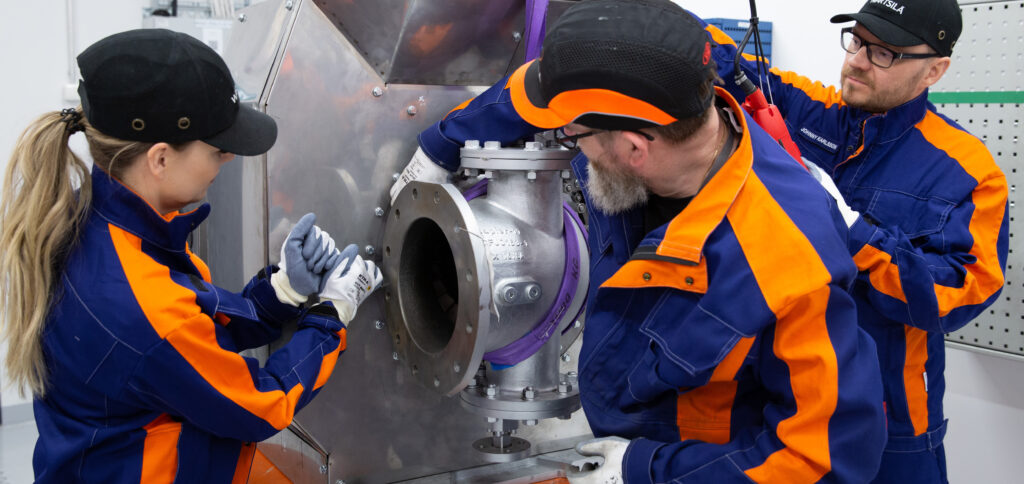
Lifelong learning remains vital. Workshops, e-learning, and certification programmes — such as those at Wärtsilä’s Land and Sea Academy — help crews keep pace with fast-changing technologies.

Johan affirms, “By jointly investing in crew development, promoting ongoing learning, and supporting communication across the sector, the maritime industry can help its workforce meet regulatory and operational requirements, as well as adapt to a changing technological environment.”

Keeping People at the Core

Change is coming faster than many seafarers have ever experienced. The shift to alternative fuels, the rise of remote operations, and the constant tightening of regulations can feel overwhelming.

Representing seafarers, SMOU and Wavelink play a critical role in supporting them through the industry’s transition and decarbonisation efforts, Johan emphasises.

Their firsthand knowledge of seafarers’ concerns, particularly regarding the safety of alternative fuels — places them in a unique position to address these issues effectively while aligning with industry needs for a successful transformation.

“SMOU provides a solid foundation for training its members and partners. By proactively enhancing members’ skills, SMOU and Wavelink not only guide seafarers but also offer valuable support to regional and international stakeholders to address the growing crew competence gap,” he points out.

“The outcome is mutually beneficial. At Wärtsilä, we deeply value our partnership, which helps guide our efforts in supporting both their and our broader customer base.”

Johan makes this clear: “By adopting core competencies and embracing ongoing education, the maritime workforce can confidently adapt to the industry’s rapidly advancing technological landscape and support cleaner, safer, and more efficient shipping operations.”

The sea may always be unpredictable, but with the proper preparation, the men and women who sail it can navigate not just the waves, but a sustainable future.